
National Beef Herd May Have Hit Bottom
The latest USDA Cattle Inventory report suggests the nation's beef herd may finally be stabilizing, but not expanding.
According to the July Cattle Inventory report, the inventory of all cattle and calves in the United States totaled 94.2 million head on July 1st, up 200,000 head, or less than 1%, year-over-year. This marks the first increase in the July cattle inventory since 2018.

Despite the slight increase in total inventory, indicators of herd expansion remain mixed. All cows and heifers that have calved were estimated at 38.1 million head, unchanged from a year ago. Within that total, beef cows were estimated at 28.5 million head, down 200,000 head, or 1%, from 2025 and the smallest July inventory on record, dating back to 1973. In contrast, the American Farm Bureau Federation noted milk cows were estimated at 9.65 million head, up 200,000 head, or 2%, from last year.
One of the most closely watched measures in the report is the inventory of beef replacement heifers weighing more than 500 pounds, which was estimated at 3.8 million head, up 100,000 head, or 3%, from 2025. AFBF said this increase represents the first meaningful sign of heifer retention and potential herd rebuilding in nearly a decade. Meanwhile, other heifers totaled 7.3 million head, down 100,000 head, or 1%, from last year. These animals remain a potential source of future breeding stock.

Changes To Consumer Demand?
Boxed beef prices have weakened since late June. U.S. beef demand typically peaks around the Fourth of July holiday as summer grilling season reaches its height. Since reaching a high of $400.31/cwt on June 23, the Choice beef cutout value has declined $39.07/cwt, or roughly 10%, to $361.24/cwt on July 24.
Although seasonal declines in beef prices following the peak grilling season are common, the recent weakness raises questions about whether consumer demand is beginning to soften after several years of exceptional strength. If consumer demand is slowing, beef cutout values could continue to decline. If demand remains resilient, however, boxed beef prices may find support.
AFBF said both scenarios have important implications for packer profitability. While fed cattle prices have recently declined faster than beef cutout values, resulting in a modest improvement in the live-to-cutout spread, packer margins remain firmly in negative territory and have been for several months.
The Impact Of NWS And Mexico
Mexico typically exports between 1.2 million and 1.5 million head of feeder cattle to the United States each year. AFBF pointed out these cattle are an important component of the U.S. beef supply chain, moving from border crossings into feedyards across the country before eventually entering packing plants.
This trade was disrupted in November 2024 when the United States closed the border to livestock imports following the detection of New World screwworm in southern Mexico. The pest gradually spread northward and was eventually detected in the United States in June 2026. As of this article’s posting, there have been 42 confirmed NWS detections in the current U.S. outbreak: 41 cases in Texas and one in New Mexico.
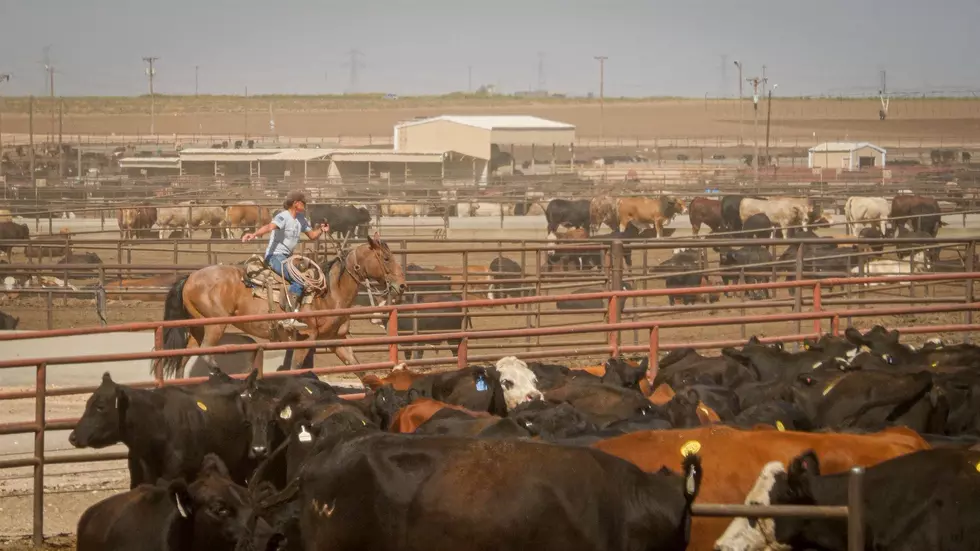
The Farm Bureau said the border closure has tightened feeder cattle supplies, particularly in border states such as Arizona, New Mexico and Texas, which depend heavily on Mexican cattle to support feedyards and maintain beef production. Reduced cattle imports have contributed to tighter supplies and higher beef prices.
On July 24, Secretary of Agriculture Brooke Rollins announced that imports would resume through the Douglas, AZ, port of entry after a 30-day period, with two New Mexico ports scheduled to reopen thereafter. Reopening protocols include stringent treatment and inspection requirements. Imported cattle must pass through disinfectant dip vats and undergo additional inspections for open wounds or any additional signs of NWS. "Animals showing evidence of NWS infestation or visible open wounds will be rejected and prohibited from entering the United States," USDA stressed at the time.
AFBF said the phased reopening should help ease feeder cattle supply constraints over time while maintaining safeguards to prevent further spread of NWS.
Moving Forward
USDA's July Cattle Inventory and Cattle on Feed reports suggest the U.S. cattle industry remains in a period of stabilization rather than meaningful expansion. While the increase in replacement heifers provides an early signal that some producers may be positioning for herd rebuilding, record-low beef cow numbers and the smallest calf crop on record continue to limit growth potential. At the same time, lower feedlot placements point to tight feeder cattle supplies extending into 2027, even as the gradual reopening of live cattle imports from Mexico provides some relief.

If you have a story idea for the PNW Ag Network, call (509) 547-9791, or e-mail glenn.vaagen@townsquaremedia.com
More From PNW Ag Network