Four new directors are joining the Washington Apple Education Foundation board, all with ties to Yakima and Wenatchee and careers built around Washington's tree fruit industry.
This year's Rainier cherry harvest came in around 1.1 million boxes — about half of last year's total — after spring storms knocked back what's usually one of the season's most popular crops.
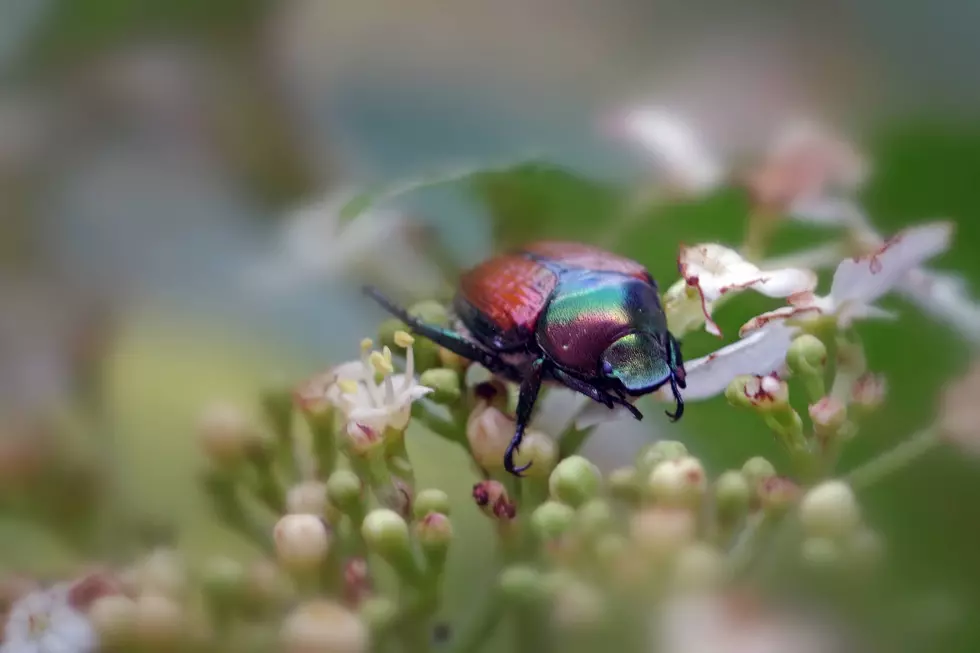
That small metallic green beetle with copper wings is one of the most damaging invasive pests around. Washington state is offering free treatment to property owners in four counties to keep it from spreading.
Codling moth hot spots are a real headache for tree fruit growers, and WSU is addressing that head-on with a free hands-on field day in Moxee on July 31st at the Smart Orchard.
American fruit and vegetable growers lost more than 7 billion dollars in 2025, and the losses are expected to keep climbing through 2027 as prices fall short of what it costs to grow the crops.
Is the non-farming community in Olympia starting to understand the struggles and difficulties tree fruit growers, and the overall agriculture community, are facing? The Washington State Tree Fruit Association's Jon DeVaney weighs in.
WSU researchers say apple fruit surfaces can reach temperatures well above 120 degrees Fahrenheit in direct sun — hot enough to kill cells and leave dark sunken spots on fruit that was fine the day before.
Property owners in Benton, Franklin, Yakima, and King counties can help protect local farms and gardens by signing a consent form allowing the state to treat their land for Japanese beetles — a pest already well established back East.
The Columbia River Gorge pear harvest this year left growers selling fruit below what it cost to produce, and packing houses turning away truckloads daily — prompting calls for emergency relief from both parties.