This June, PNW Ag went to the OSU and USDA-ARS Field Day at the Pendleton Station. In this interview, we talked with Francisco Calderon, director of Columbia Basin Agricultural Research Center.
This June, PNW Ag went to the OSU and USDA-ARS Field Day at the Pendleton Station. Here we talked with Oregon State University's Dean for the College of Agricultural Sciences, Staci Simonich.
The Washington Soil Health Initiative is offering a free webinar series titled "Making Soils Data Actionable," helping to make sense of soil science data.
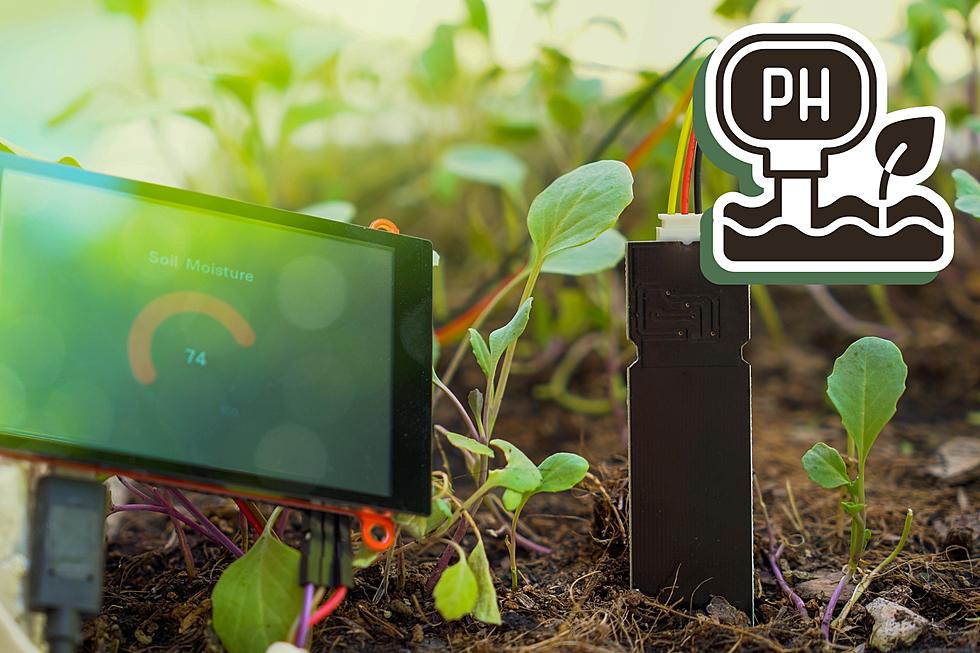
Registration is still open for the Acidic Soils Solution workshop held on January 18, 2024, in Clarkston Washington. The event will feature several informative sessions on managing acidic soils in the Pacific Northwest.
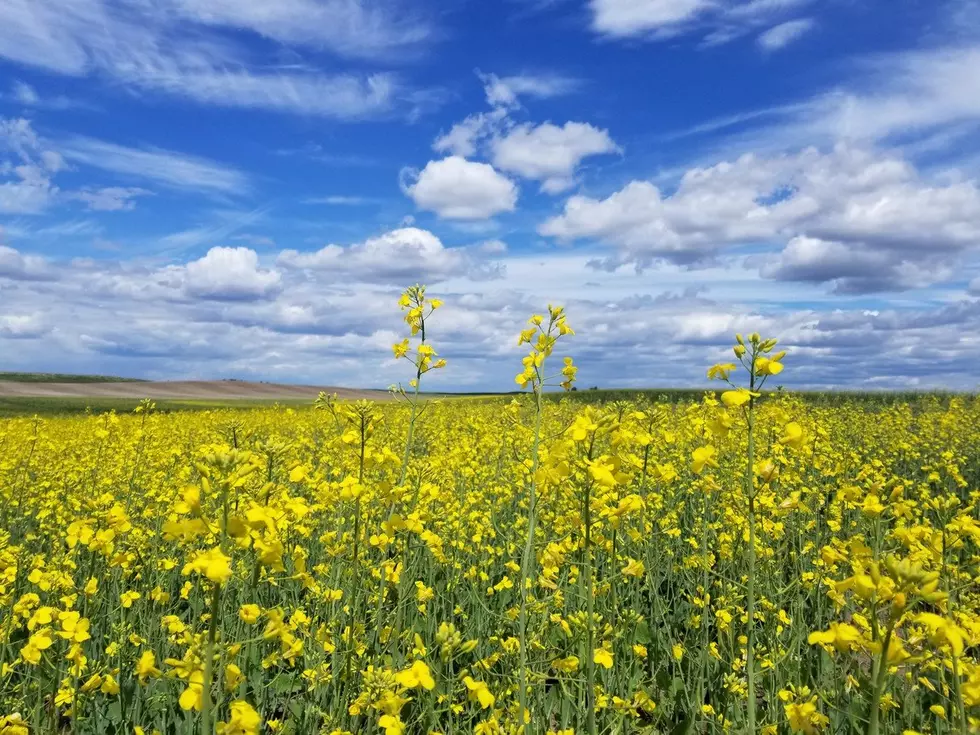
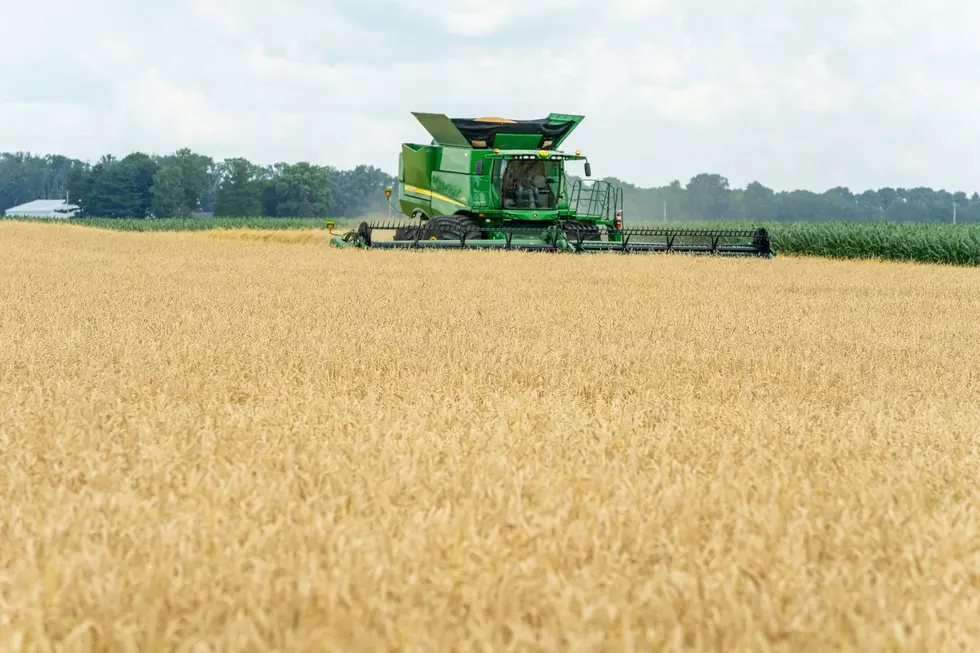
Amidst the amber waves of wheat changing to stubble, green corn leaves to brown, and the fields of potatoes and onions pulled from the ground, the golden crop of canola has changed to stems and is prepared for harvest as well.
Midwestern farmers are planning to plant more corn and wheat this spring. An Ag Access survey said farmers will add 27% more acres to corn and 32% more to wheat. A smaller percentage, at 17%, says they’ll increase their soybean acres.
The s...