Trade deficits with Mexico, Vietnam, and South Korea hit record highs in June, even as the overall U.S. trade gap narrowed for the first half of the year.
Farm Credit's cooperative lending network posted its strongest first-half earnings in recent memory, with $4.3 billion through June 2026 and net interest income climbing more than seven percent year-over-year.
The Purdue-CME Group Ag Economy Barometer rose 13 points in July, snapping a three-month slide. Stronger crop prices drove the rebound, though input costs remain the top concern for nearly half the farmers surveyed.
Washington State potato growers were counting on a trade deal with Japan to open fresh potato access — it didn't happen, but the state's Potato Commission says other markets are still in play.
By 2017, about 40% of all U.S. cropland was being farmed by operations of at least 2,000 acres. A University of Maryland economist has spent decades tracking that shift using Census of Agriculture data.
Some agricultural input companies have cooperated with federal investigators, others have not. Now the USDA, DOJ, and FTC are signaling that the review phase is nearly over.
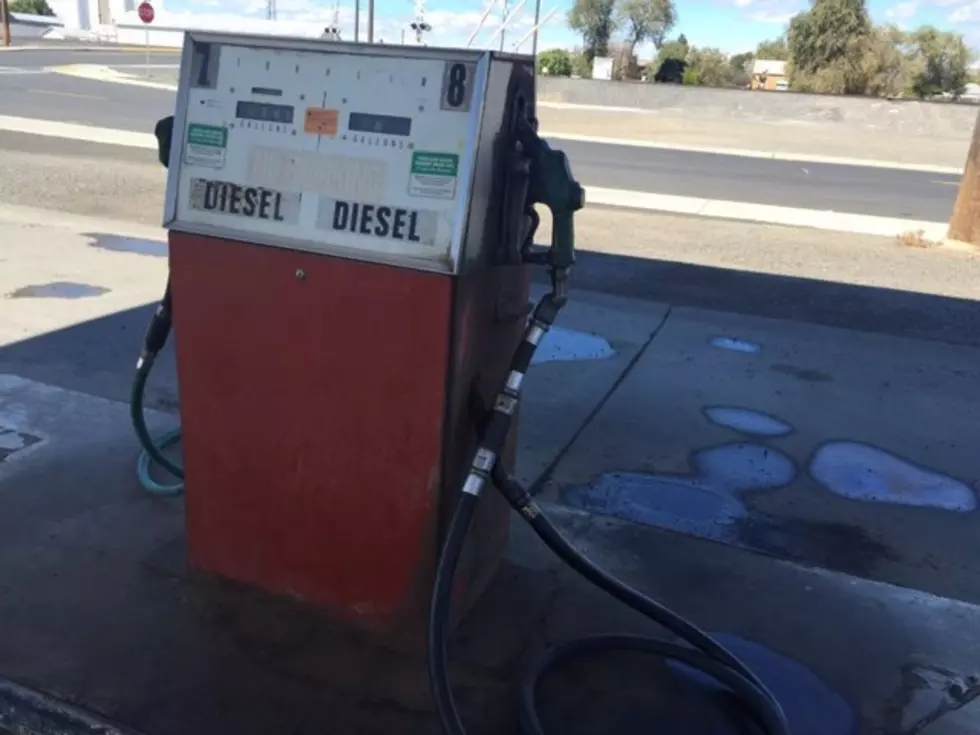
A possible U.S.-Iran peace deal nudged oil prices down slightly, but Northwest drivers are still paying more at the pump. Diesel in Washington now averages $6.16 a gallon, the highest in the region.
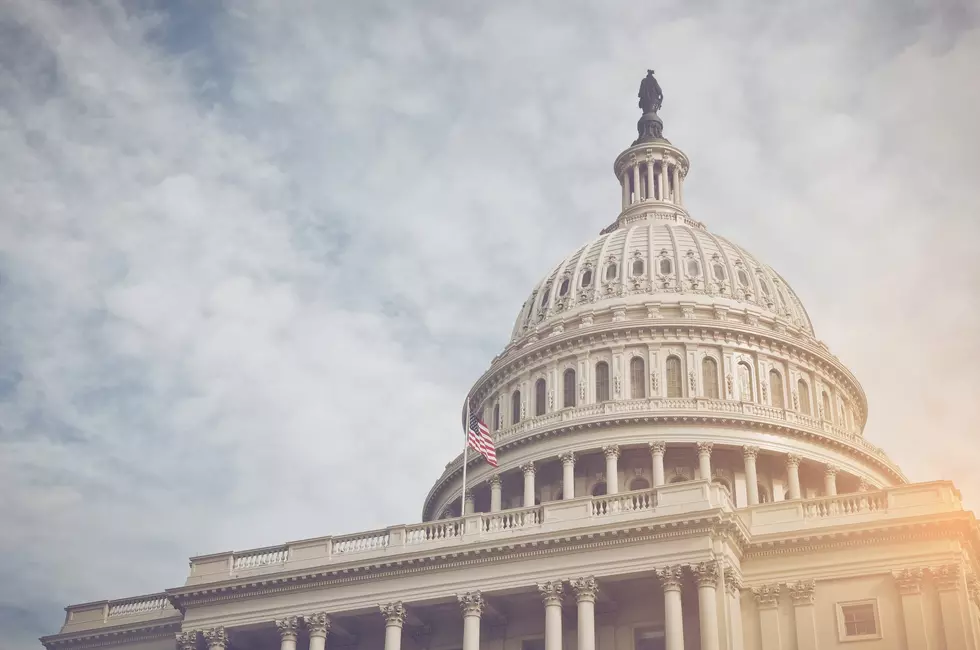
Arkansas Senator John Boozman released a revised Farm Bill just before a scheduled Thursday markup, with provisions covering E15 gasoline, SNAP error rates, and support for rural farming communities.
Even with lower commodity prices squeezing farm profits, cropland values just hit $6,000 per acre nationally — the first time that benchmark has been reached, according to USDA data.