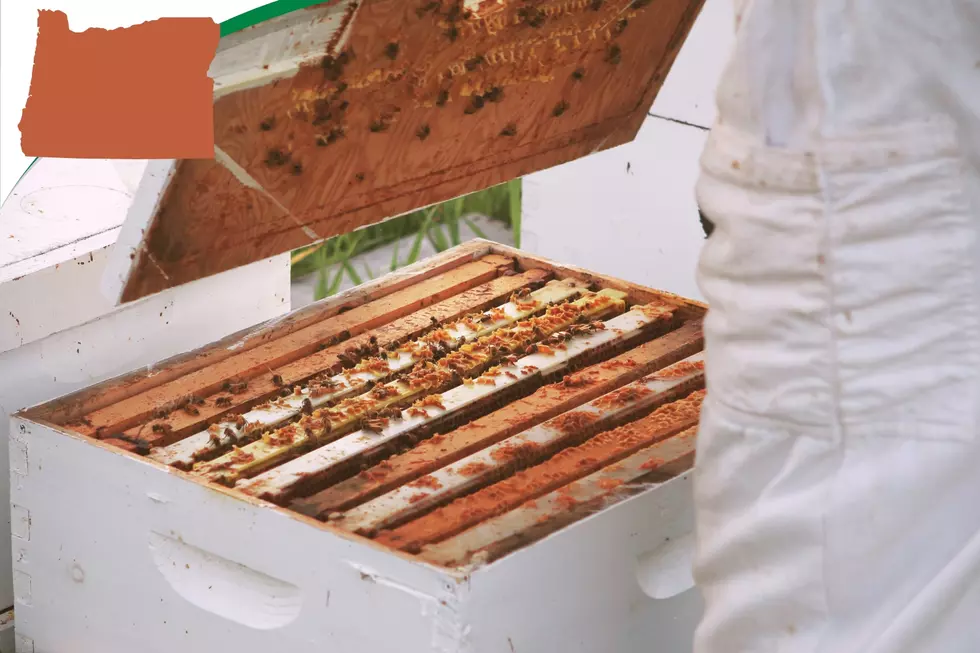
Michigan State University honeybee disease experts Dr. Meghan Milbrath and Dr. Peter Fowler will host a webinar focus on European foulbrood, EFB, next month.
Washington State University’s Bee Program will offer a four-hour virtual Beginner Beekeeper workshop A Year Ahead: First Year of Beekeeping next weekend.
The WSDA announced Wednesday a partnership with FieldWatch!, a nonprofit that provides online mapping access to growers, pesticide applicators, and apiarists.
New research from the USDA’s Agricultural Research Service sheds light on the causes behind the catastrophic honeybee colony losses reported by commercial beekeepers this year. The findings point to an alarmingly high level of viral infections caused by Varroa mites that have resistant genes to a common treatment.
“Our ...
A swarm happens when a colony of bees has outgrown their current hive. A new queen will recruit half the bees in a colony and move out to find a new place. During swarming, bees are extremely docile, because they aren’t guarding resources or a hive. They are resti...
The Texas Department of Agriculture recently announced that the eastern monarch butterfly population nearly doubled in 2025, according to the latest World Wildlife Fund survey. The survey shows that the population wintering in central Mexico’s forest occupied 4.42 acres, up fr...
According to NASS, honey production in the United States dipped 4% last year to 134 million pounds. Nationwide, there were 2.6 million colonies producing honey in 2024, a 3% increase from 2023. However, yield per colony averaged 51.7 pounds, down 6% y...