If you're planning to be outside Saturday morning, look up, the Oregon Air National Guard has a pretty spectacular Fourth of July surprise lined up for Oregon and Southwestern Washington.
Eastern Washington is already in its fourth straight year of drought, and a new 20-year water forecast from WSU and the Department of Ecology paints a picture of tighter summer water supplies for farms, fish, and growing communities.
The USDA just announced $500 million in grants for fertilizer production projects built and operated in the U.S., part of a push to cut farmers' reliance on overseas suppliers.
The National Farmers Union timed its latest report around Independence Day — showing that family farmers collect less than 12 cents on every dollar Americans spend at the grocery store or the cookout.
Because Idaho counties can't collect property taxes on federal land, the U.S. government sends annual payments instead. This year, that adds up to nearly $50 million spread across 44 local governments.
What does the future of farm labor look like? And what kind of impact will that have on the bottom line for growers across the Northwest? President of the Washington State Tree Fruit Association, Jon DeVaney, offers his perspective.
Oregon and Washington BLM lands are under fire restrictions this 4th of July weekend, with fireworks, sky lanterns, and certain ammunition all banned as officials warn this fire season has already caused significant loss.
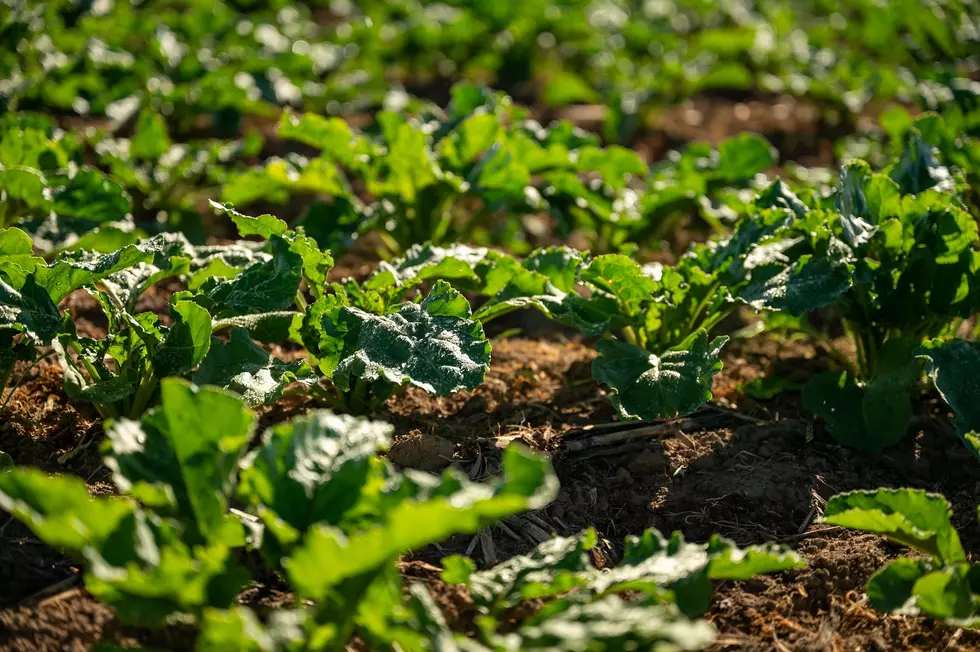
Corteva Agriscience's Verpixo uses an active ingredient called Adavelt to stop Cercospora from taking hold in sugarbeet crops, and it mixes well with other common crop protection products already in use.
Zippy Duvall's own family walked away from dairy farming partly because finding reliable help became impossible — now he's backing a federal bill aimed at fixing that problem for farmers across the country.
Antibiotic sales for livestock jumped nearly 16% in 2024, reaching 7.1 million kilograms — the biggest single-year increase since 2017, raising fresh concerns about antibiotic-resistant bacteria.
Farmers who've been improving soil health and water quality may now have a clearer path to premium prices, thanks to a new USDA rule tied to biofuel production credits.
Pacific Northwest cherry growers needed a strong 2026 season to get back on solid footing. So far, prices remain below what many need to break even, and some acreage near The Dalles has been abandoned entirely.
More than 2,300 beekeepers across the country reported losing close to 40% of their honeybee colonies over the past year, with winter taking the heaviest toll on hives nationwide.
A veterinary student graduating with $150,000 in debt has a hard time saying yes to a rural farm job that pays $50,000 less than other options. That math is pushing new vets away from the farms that need them most.
More than 31 million acres of federal land across Oregon can't be taxed by local governments, so a federal program sends counties annual payments to help cover schools, fire protection, and road upkeep.
The H2A visa program has long helped fruit and vegetable farms bring in seasonal workers, but dairy farmers and fish hatcheries have been left out — a new bill wants to change that.
A new USDA program called SPUR is putting real money — up to $500 million — behind smaller beef processors, with the goal of giving ranchers across the country more places to bring their cattle to market.
Some familiar Pacific Northwest wine and spirits brands, including Willamette Valley Vineyards and King Estate, now move through Columbia Distributing after a deal with Republic National closed July 1 in Oregon and Washington.
The USDA is revising 32 farming conservation standards after hearing directly from producers nationwide, with changes covering everything from livestock pipelines to water storage during dry seasons.
The USMCA trade agreement has a built-in exit clause — any country can walk away with six months notice. But under U.S. law, only Congress can actually dissolve it, which puts President Trump in a tricky spot.
Phosphate fertilizer is one of the biggest input costs for crop farmers, and a new federal duty suspension could lower those prices by about 22% heading into fall planting prep.