Rules designed to bring more transparency and fairness to how contract poultry growers get paid were delayed until 2027 — now the USDA is considering scrapping them altogether.
U.S. cattle herds are at their smallest size in decades, and beef prices have climbed to record highs. That backdrop is driving industry support for resuming Mexican cattle imports later this month.
Cattle ranchers in Oregon, Colorado, and Wisconsin say gray wolf populations have bounced back, but current federal law leaves them with few options when wolves kill livestock.
After six years of declines, the U.S. cattle herd just ticked upward — and the reasons behind it say a lot about where the beef industry might be headed.
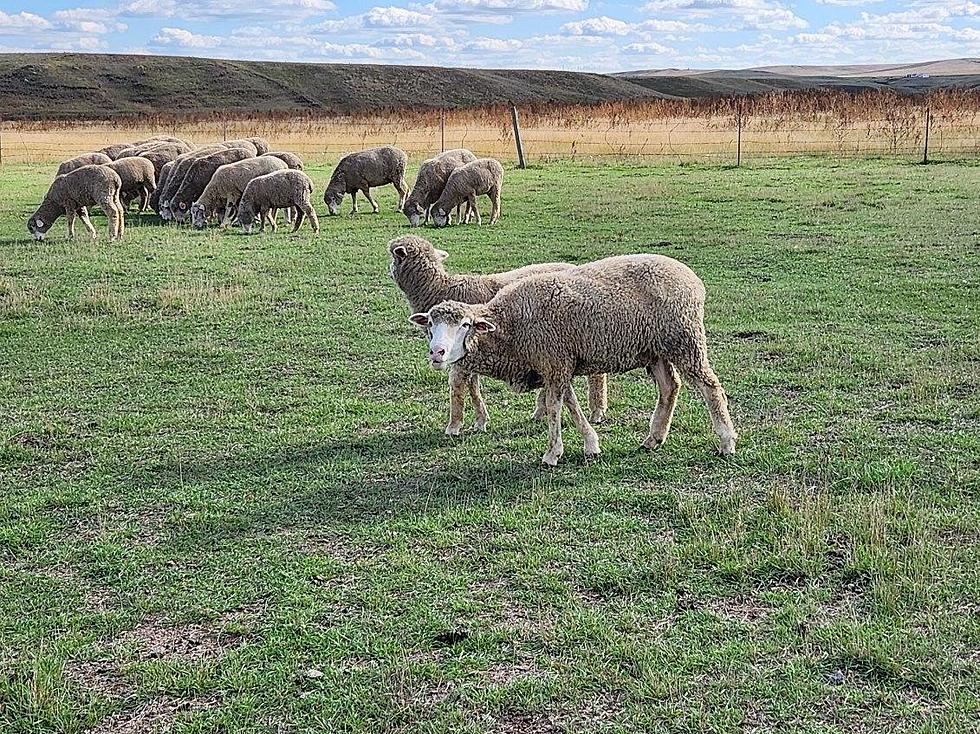
The Oregon Department of Agriculture confirmed a classical scrapie case in a sheep processed at an in-state facility — and officials say the detection could push back the U.S. timeline for scrapie-free status by several years.
Greg Sanders out of Moses Lake reported 800 head of cattle sold at the Washington sale farm by July 31st, restoring the market data that went missing the week before.
Farm communities across the country are short on veterinarians, and Purdue University is responding by planning its largest veterinary school expansion in more than a decade.
U.S. dairy farmers say Canada never fully honored its USMCA commitments, and now the White House is responding with a 50% tariff on Canadian dairy imports under a 1930s-era trade law.
Farm and ranch succession planning is one of those conversations families keep putting off — and a new NCBA resource is built specifically to help producers start that process on their own terms.