
Oregon will Continue To Battle The Japanese Beetle
The Oregon Department of Agriculture will continue its fight against the invasive Japanese beetle through 2027, backed by new state funding. State lawmakers approved $1.8 million under House Bill 5204 to support eradication and monitoring efforts over the next two crop years. The investment follows a gap in funding last session and is aimed at protecting Oregon’s vital nursery and agriculture industries.
ODA Says The Program Is Making Progress
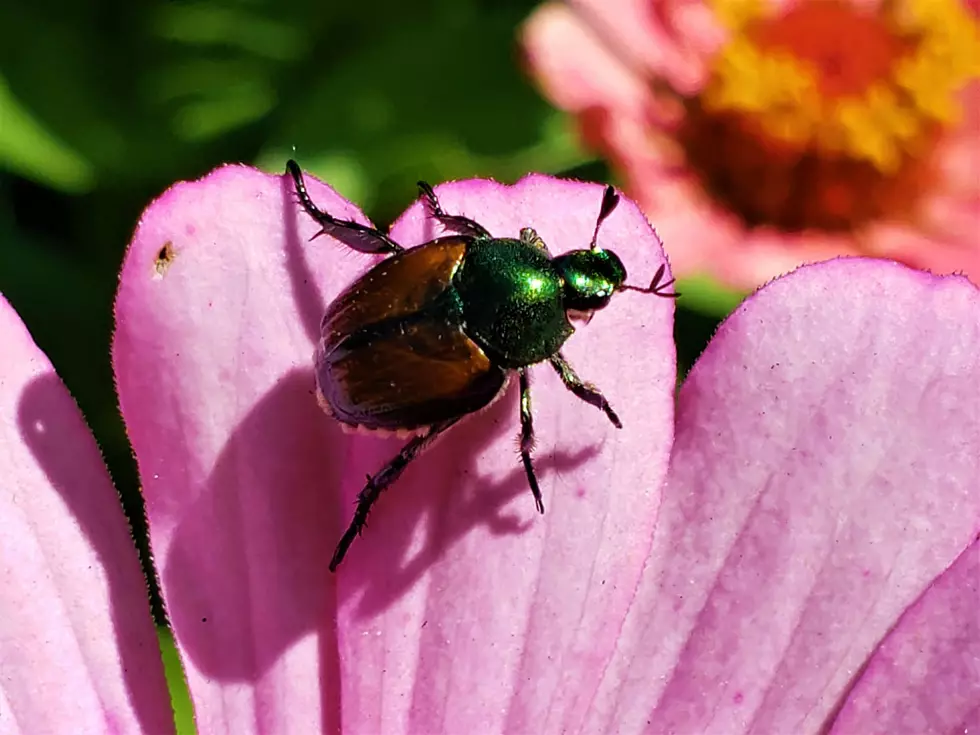
Oregon maintained full program activity throughout 2025. This work reduced beetle numbers by 65% from last year and by 92% since 2016. ODA said the beetle population has gone down each year for eight years due to the Department's work. Recent survey data for 2025 showed that 1,918 beetles were trapped across Oregon, with most captured at a single home in Washington County.
The Japanese beetle continues to pressure Oregon and other western states. Although present in Oregon since the 1980’s, the largest infestation was found in 2016 in the Cedar Mill, Bonny Slope, Oak Hills, and Bethany areas of Washington County. Smaller populations were later found in Clackamas and Multnomah Counties. In 2025, one beetle was found in Marion as well as Union counties. The Department will address all new detections in its 2026 work.

The pest, which feeds on more than 300 plant types, remains a threat across Oregon and other western states. New detections last year included isolated finds in Marion and Union counties.
Treatment Set To Being Soon
In the coming weeks, the ODA Insect Pest Prevention & Management Program will conduct public outreach in affected areas before starting on-the-ground treatments. The program anticipates placing traps from late-April to early May in areas in where beetles have already been found.
Traps will also be placed in other parts of Oregon to look for new beetle introductions. These activities run from early spring through end of September. The ODA Nursery Program will continue to educate the industry on JB phytosanitary requirements, issue necessary certifications, and enforce Oregon’s quarantine to ensure imported plant products do not introduce more beetles into the state.
Japanese beetle treatments mainly consist of spring lawn applications of Acelepryn G, a reduced-risk insecticide approved for controlling beetles. The program may also conduct foliar treatments with the same product in the summer in high-catch areas. All treatments require landowner consent and are overseen by ODA staff. People living in the planned Japanese beetle treatment areas will receive notification with more information in the coming weeks. The ODA website for Japanese beetle will be updated as soon as possible as progress continues.
If you have questions, e-mail the Oregon Department of Agriculture.
What Can You Do To Help?
ODA said residents can help slow the spread of the Japanese beetle. Avoid moving outdoor potted plants or participating in plant swaps to prevent the spread of Japanese beetles. Keep green waste local near your residence so beetles are not transported to new areas in Oregon. Your choices make a difference.
To learn more about Japanese beetles visit ODA's Japanese beetle webpage.
If you have a story idea for the PNW Ag Network, call (509) 547-1618, or e-mail glenn.vaagen@townsquaremedia.com
More From PNW Ag Network