Keep Livestock Health In Mind During Wildfires
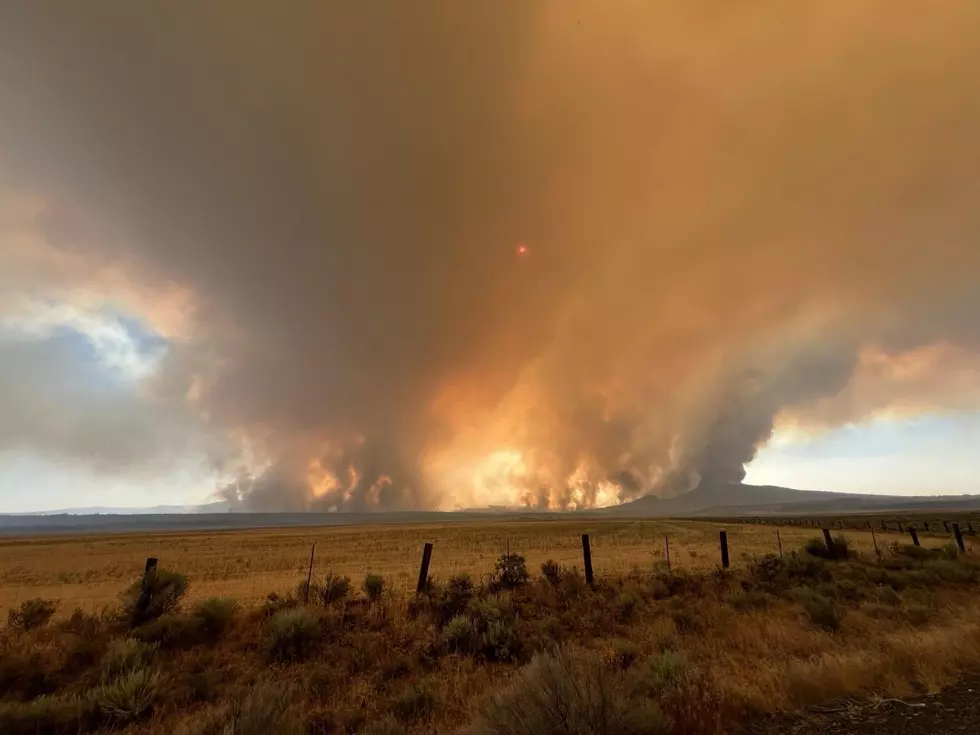
This has been a very active wildfire season, and we are weeks away from weather bringing the threat to an end. During wildfires, multiple agencies and outlets highlight the health risks, but the Washington State Department of Agriculture says it’s important to consider the health of your livestock.
The WSDA’s Samira Guirguis said when it comes to wildfire smoke, one of the most important things owners can do is reduce additional stress to which that animal is exposed.
"Make sure livestock has access to plenty clean and fresh water," Guirguis noted. "Limit strenuous activity like handling and unnecessary movement when smoke is heavy. Provide low dust or dust-free feed when possible, and just to monitor animals closely for coughing, nasal discharge, wheezing, or difficulty breathing. You know, it's when you get into those symptoms that you might want to call your veterinarian when possible.”

Health Issues Can Continue Long After The Flames Are Out
Guirguis added it’s important to have an evacuation plan for livestock, from transportation to an alternative location to house the animal, and of course feed. And she stressed the impacts of a wildfire don’t end when the flames go out.
“Smoke exposure can affect animals for weeks and producers may not immediately recognize the effects," Guirguis said. "Animals can also be exposed to contaminated feed or water, damaged fencing and infrastructure and debris, ash or fire suppression materials that might be on your property from planes, to put out the fire.”

Planning Ahead Is Key
The WSDA has a List Of Helpful Resources for livestock owners, or anyone in the farming community dealing with wildfires or the fallout from wildfires.
If you have a story idea for the PNW Ag Network, call (509) 547-9791, or e-mail glenn.vaagen@townsquaremedia.com
More From PNW Ag Network