

Building A Productive And Long-Lasting Herd
When it comes to building a productive, long-lasting cow herd, bovine viral diarrhea virus, or BVDV, can quickly throw a wrench into plans. Exposure during pregnancy can lead to reproductive loss or persistently infected, or PI, calves that quietly spread the virus within the herd. Dr. David Shirbroun, professional services veterinarian with Boehringer Ingelheim, stressed BVDV is such an important reproductive threat to prevent.
“Bovine Viral Diarrhea virus, or BVD, has implications for both reproductive and respiratory disease," said Shirbroun. "And if we're talking about the reproductive side of things, depending on when exposure occurs, we can have infertility, abortions, birth defects, and potentially weak calves as well. But one of the most serious outcomes we can have in regard to BVD virus and reproduction is the formation of persistently infected calves, or what we commonly call PI calves.”
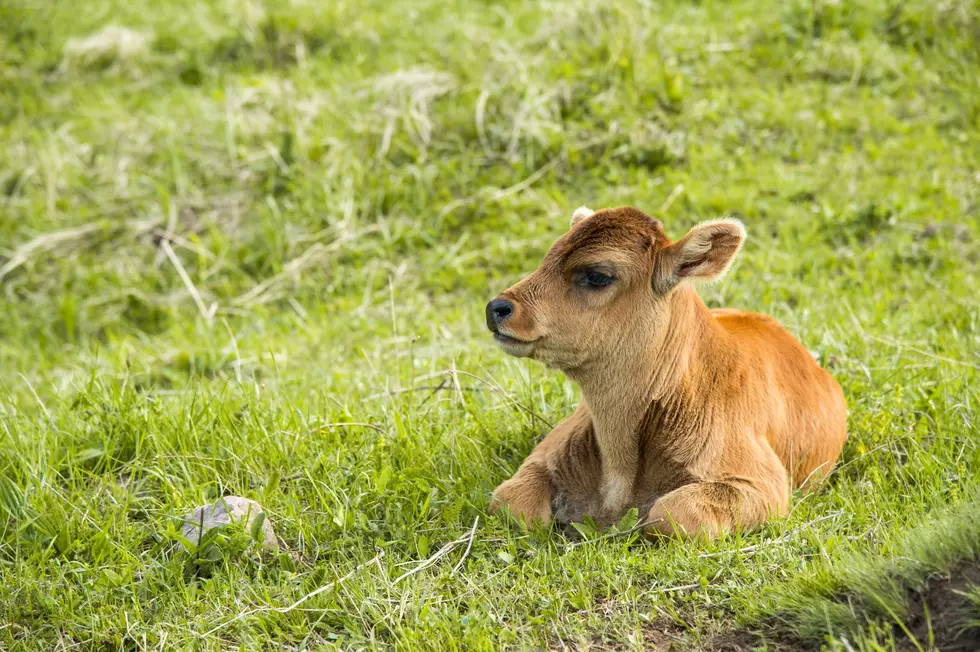
Infection Starts Before Birth
How does a calf become infected with BVDV?
“Between about that one-month and four-month period of gestation, that calf does not have a functional immune system that is able to tell itself from foreign invaders, such as things like viruses," Shirbroun said. "So, if a cow is infected with BVD virus while it is pregnant with a calf anywhere between one and four months of gestation, that cow may not show an outward sign of the BVD infection itself, but that BVD virus will enter the uterus and cross over the placental barrier and enter that calf fetus. And since they don't have an immune system at that point, they think that BVD virus is normal, and so, basically, almost every cell of that calf will become infected with BVD. Now, if that calf survives to full term and is delivered, that calf is basically infected with BVD virus for life.”
Shirbroun said there are steps producers can take to reduce the risk of PI calves.
“Number one, first and foremost, in my mind, is actually biosecurity," he said. "So, we want to do everything that we can to really try to limit our animals' exposure to BVD virus. You know, if we're not bringing in new animals into the herd, we're keeping a closed herd. That's obviously step number one. You know, if we're bringing in cattle not native to our herds into our herds, we need to make sure that we're testing them for BVD virus or having a quarantine period, so that we try to make sure that that circulating virus is gone from that animal before we're actually exposing our original herd animals. So, we can definitely do lots of testing and diagnostics on animals to make sure that they're not carrying this BVD virus.”
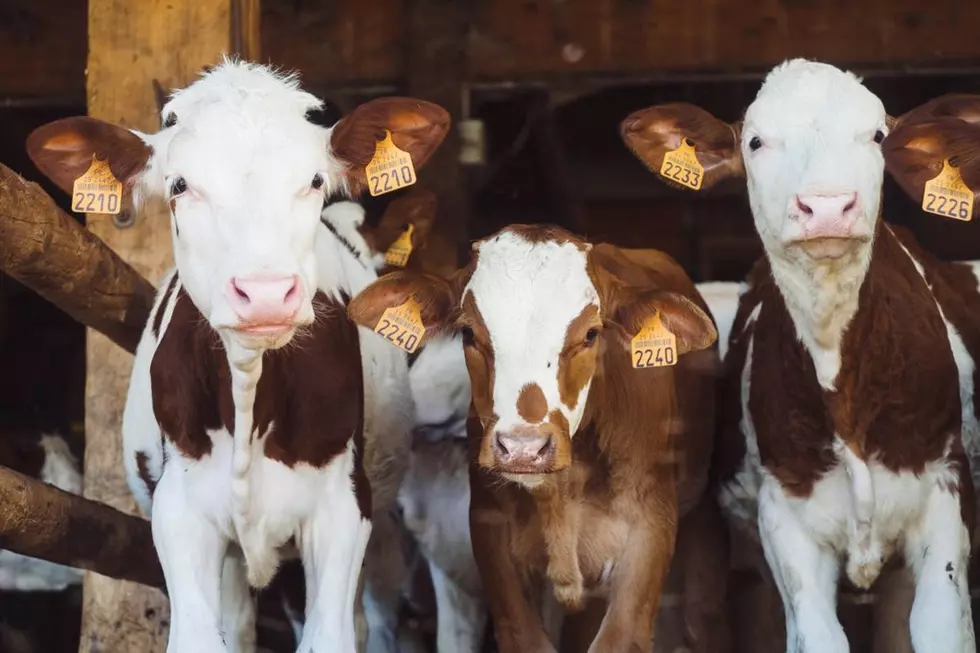
How Can Producers Protect Their Herd?
He said PI calf prevention fits into a broader herd health plan.
“You know, there's lots of steps that go into that, as far as trying to keep a herd healthy," Shirbroun said. "Vaccination is obviously a big part of that. So, we want to try to make sure that we're vaccinating our herd and our females, especially replacement heifers, against the key viruses that we worry about in the cattle industry, and especially we want to try to really get those vaccines in prior to pregnancy because that's when we're going to get our optimal protection against any of these reproductive diseases, because they can happen earlier, or they can happen late in gestation. But if we have an animal that is vaccinated adequately prior to pregnancy, she will be protected, and her fetus will be protected throughout gestation. You know, I always recommend producers work with their veterinarian.”
Click Here for more information on protecting your herd from BVDV and PI calves.
If you have a story idea for the PNW Ag Network, call (509) 547-9791, or e-mail glenn.vaagen@townsquaremedia.com
More From PNW Ag Network


