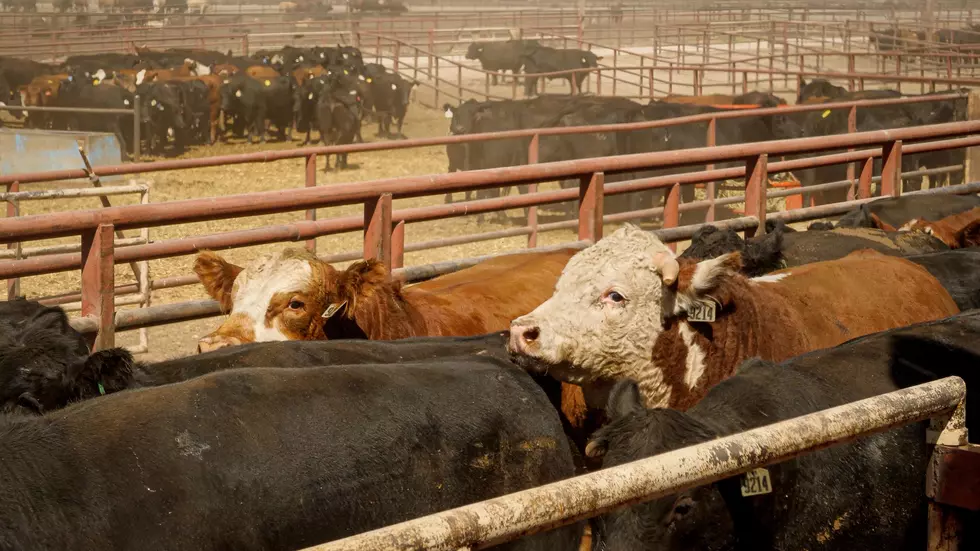
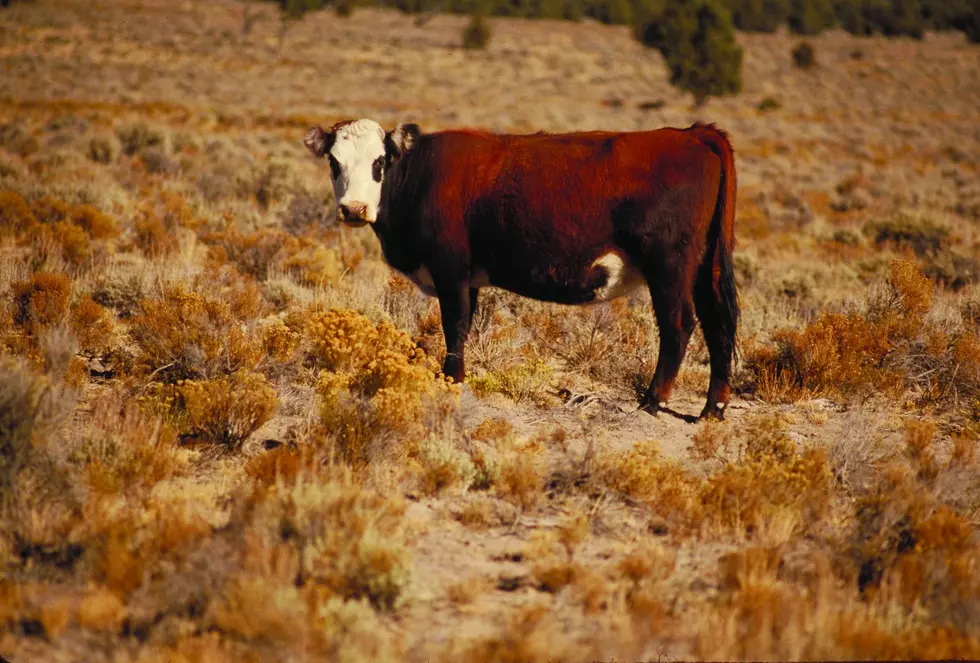
As the U.S. red meat industry gathers in Fort Worth, TX, this week for the U.S. Meat Export Federation Spring Conference, keynote speaker Randy Blach, CEO of CattleFax, said the cattle herd rebuilding may finally be gaining traction.
“We're still in tight fed cattle supplies. We've got...
USDA’s April Cattle on Feed Report showed the herd size remains smaller year-over-year, but indicates efforts continue to build up inventory.
“The number of cattle on feed and feed lots on April 1st was 11.64 million ahead. This was about ...
The recent Cattle on Feed Report was called neutral-to-slightly-positive by American Farm Bureau economist Bernt Nelson. He said the overall rate of contraction in the U.S. cattle herd has slowed. However, factors like demand, beef prices, and trade, among other factors, will influence producers’ decisions about what to do with their animals.
“Cash prices for...
Are beef cattle producers starting to hold back some heifers for breeding or not?
Are we still in contraction mode?
Friday's USDA Cattle on Feed report offers hardly any clue to that. USDA livestock analyst Shayle Shagam said we will have to wait a month for the next real clue.
“When...
How big is the U.S. cattle herd? Budget constraints have caused the USDA to limit the number of reports it releases. Among these is the July Cattle Inventory Report. However, there is enough historical context from which some conclusions may be drawn.
“A model estimates t...
Before the conclusion of July, the U.S. Department of Agriculture released the Cattle Inventory report that revealed a lower head count in the national cattle herd, and that is leading to higher prices.
As many cattle producers are struggling with drought, its important to also use the situation to help plan for the future. Rangeland and Ecology specialist, Dr. Laura Goodman, said there are several key things producers need to consider when it comes to developing a plan to address drought now.
...
The cattle herd nationwide, continues to contract, and USDA livestock analyst Shayle Shagam expects that trend to continue throughout the year.
"We are looking at expectations of a continued decline of probably 1-2% in the cattle inventory during 2022
...