A new USDA forecasting system uses AI to spot which pastures and regions face the highest screwworm risk, guiding where to release sterile flies for maximum impact.
A Reuters investigation found animals crossing the Texas border illegally, sidestepping the veterinary checks designed to stop New World screwworm from infecting American livestock.
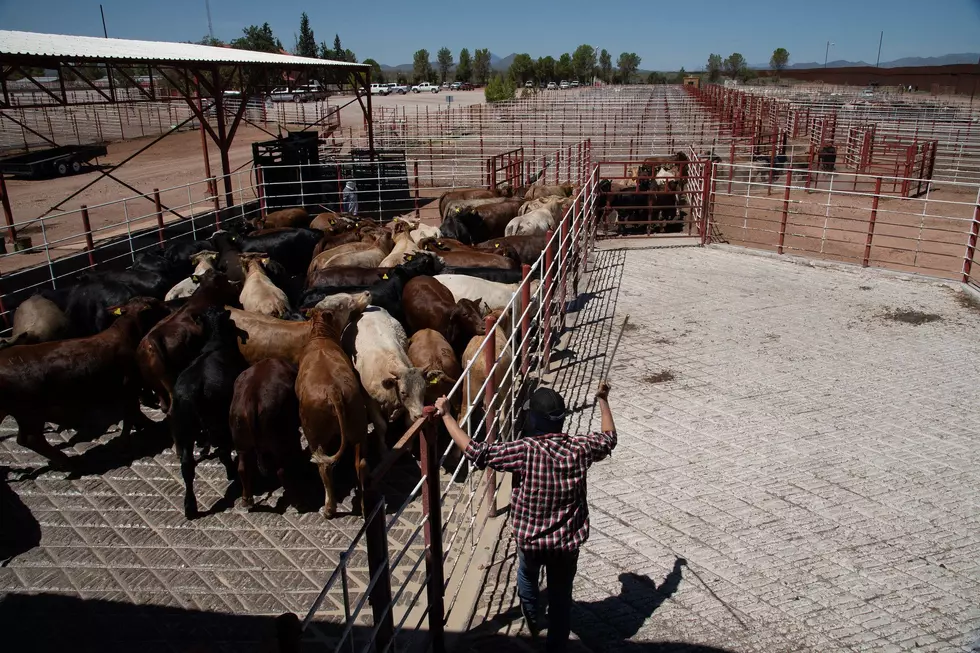
American ranchers can bring cattle back from Mexico with new safety rules in place. Every animal gets inspected twice in Mexico, screened by detector dogs at the border, and treated before entering U.S. pastures.
An Idaho livestock vet whose family dealt with New World Screwworm back in the 1960s says today's ranchers should focus on checking animals regularly and keeping wounds treated, not on fear.
A Texas facility set to open spring 2027 will produce sterile flies to combat New World Screwworm, which was detected in the U.S. for the first time in 30 years. Production could hit 300 million flies weekly by 2028.
U.S. cattle herds are at their smallest size in decades, and beef prices have climbed to record highs. That backdrop is driving industry support for resuming Mexican cattle imports later this month.
After six years of declines, the U.S. cattle herd just ticked upward — and the reasons behind it say a lot about where the beef industry might be headed.
Texas Agriculture Commissioner Sid Miller sent a formal letter to the FDA asking for emergency authorization of ivermectin-medicated livestock feed to help stop the spread of New World Screwworm.
The Protecting Americas Herds Act would let Cooperative Extension agents act as livestock inspectors, filling a critical gap in early detection of New World screwworm for ranchers in high-risk states.
The USDA's new $105 million initiative includes 40 projects aimed at improving sterile fly production and creating effective traps for the New World screwworm.