
Is Consumer Demand For Beef Cooling?
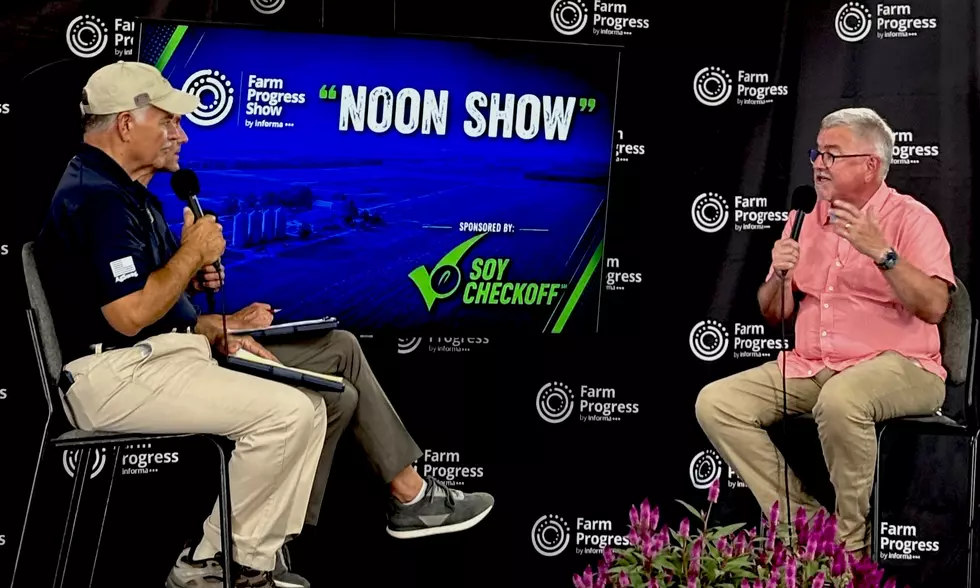
At what point does the high price of beef begin to limit consumer purchases at the grocery store? Dr. Derrell Peel, livestock market economist at Oklahoma State University, says it’s not happening yet.
“Economists define demand as the willingness and ability to pay," Peel said. "The current situation tells us that right now consumers have both. They're doing fine. A lot of the preferences and the willingness that we see in that, I think, do relate back to COVID and the way people learned to cook and eat, and so on, during that time period. The thing that could threaten demand would be ability, and so that would be the thing that could do it, but you also understand that those demand curves slope downward. As supply goes down, there's less beef, and prices will go up to ration a smaller supply, and so some people are going to eat less beef, but it's not because of demand destruction. It's just because there isn’t as much beef, and the way markets work is we find out who wants it the most, and they win the bid.”

Beef's Variety Is A Huge Benefit
There are no signs that demand is going to slow down
"The graph I showed you suggests that we're going to continue to see domestic production go down," Peel continued. "Now we're offsetting some of that with imports, but that's in certain product categories, and that's another thing to keep in mind when we talk about beef demand. Boy, that sounds really easy. Beef is thousands of different products, and every one of them is a different market that has a different demand. So, you have to really get more specific to get into this very much. I've been watching the wholesale market for the last three years, looking for evidence, so we talk about trading down, and so on. There isn't a lot of it yet.”
Don Close, the senior animal protein analyst at Terrain, isn’t quite as certain.
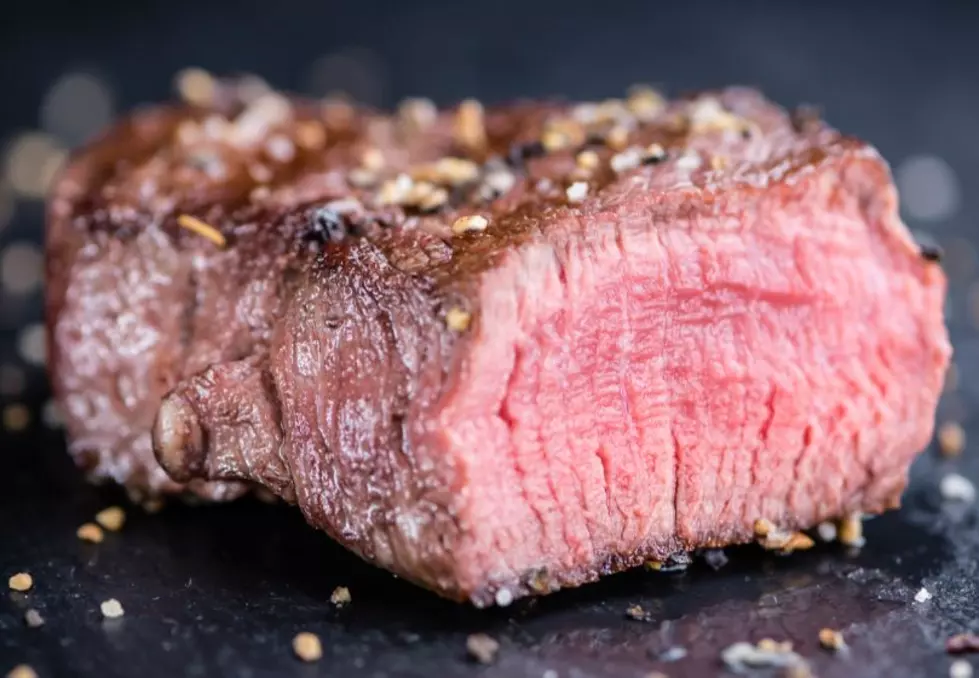
“This is one point where I'm going to be a touch cautionary," Close said. "Our Terrain data shows beef is not only gaining, but we continue to gain on the other species. I don't think we're at a point where beef is losing ground to the other species. My pause is we're 65-70 days now into a period of $1-plus-gallon price increase in gasoline. That total demand picture, because of the lag in getting that import-export data, is about three months behind before you have the complete picture. When we get the hard data from the last 60 days, what we're expecting is that we don't think we're losing them to the other species, but we do think we're seeing some evidence that they're starting to trade down that beef ladder, from a ribeye to a strip or strip to sirloin, and all the way through. I'm going to be a touch cautious.”
Demand Remains High At Home And Away From Home
Beef Industry Consultant Dr. Nevil Speer said don’t forget about retail and restaurant demand.
“Retailers increasingly understand that having beef and high-quality beef is the cornerstone to getting consumers to keep coming into their store. Repeat or come-back customers," Speed said. "They want Sandra Spear to come on every single trip. Food retail is such a tight-margin business, but how much are they willing to eat margin to get you there, then for you to fill your cart, otherwise, or the same with the restaurant, right? And my favorite joke is, you're going to buy a steak, and they'll eat some margin because they're going to sell you a $15 bowl of Brussels sprouts. I'd pay $30 for them, because I love Brussels sprouts, right? At some point, too, they might be willing to eat some margin. I don't know. It's really complicated, and it's a new dynamic. This is a new time in terms of what we're seeing with consumers.”

If you have a story idea for the PNW Ag Network, call (509) 547-9791, or e-mail glenn.vaagen@townsquaremedia.com
More From PNW Ag Network