
New Studies Show The Direct Impact Wolves Have On Cattle
Two new UC Davis studies suggest California's growing wolf population is having a major impact on ranchers.
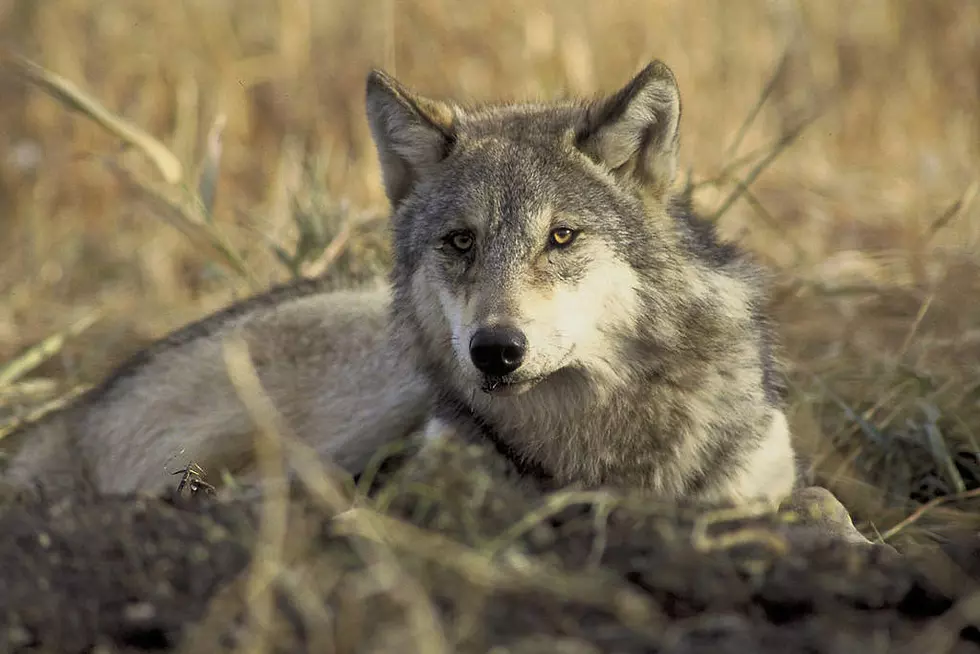
Researchers found wolves in northeastern California are eating cattle more than any other food source, with cattle DNA showing up 72% of wolf scat samples collected over the summers of 2022 and 2023. Scientists say the lack of wild prey, including declining mule deer populations, may be one reason.
“Whether it's through scavenging or whether it's through depredation, it’s a huge component of the wolves’ diet,” said lead author Tina Saitone, a professor of Cooperative Extension in the UC Davis Agricultural and Resource Economics Department. “Their conservation success is because of livestock producers in the state.”
Study Shows This Was Not The Activity Of One Pack
Cattle appeared as the most frequently occurring food item during both summers of the study, present in 86% of samples in 2022 and 55% in 2023. Researchers noted different packs were observed between the two years.
Keeping wolves away from cattle is difficult on many of these working landscapes.
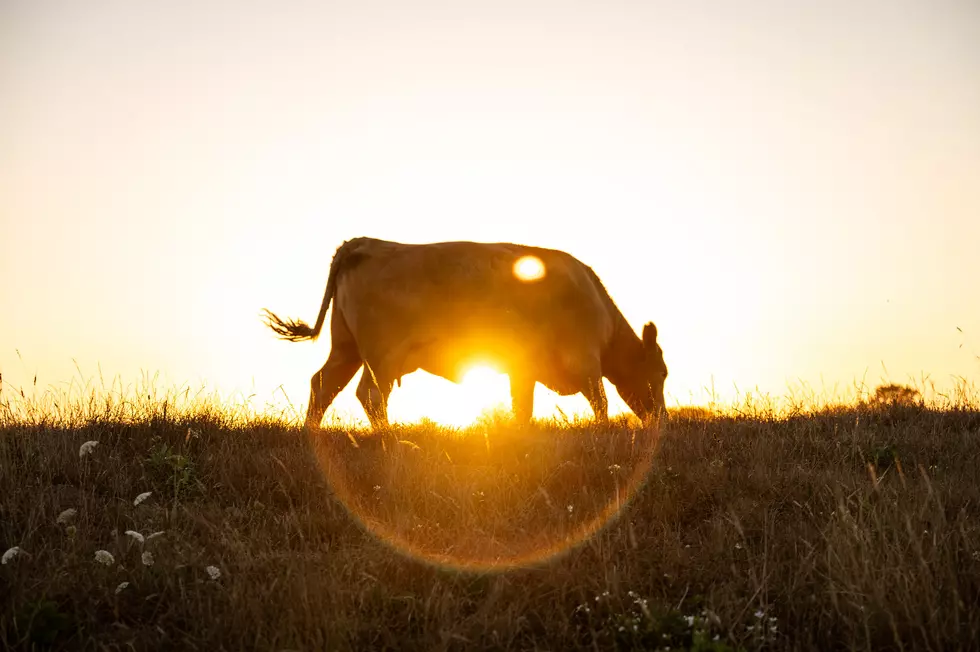
“Conservatively, we’re talking about a million acres in our study area and 10,000 cow-calf pairs,” said Saitone. “It’s not as simple as putting up an electric fence on a two-acre pasture or putting cattle in the barn at night.”
Click Here for details on this study.

Wolves Elevate Stress Levels In Cattle
Meanwhile, a second study found cattle grazing in wolf territory had cortisol levels 58% higher than those in control herds — a significant physiological difference. Researchers said this marks one of the first times hair cortisol analysis has been used to study how the reintroduction of predators reshapes livestock physiology in the field.
"What this really confirms is that death or depredation is not the only impact here," said Saitone. "Living among wolves for cattle is a chronically stressful experience, and that could ultimately have production-related impacts in both the short and the long term."
Saitone said the findings are just a starting point. Researchers next want to understand whether elevated stress levels translate into lower conception rates. It’s a concern long raised by ranchers that has not yet been established through direct biological evidence. When breeding cows fail to conceive, it can directly affect a rancher’s bottom line.
Click Here for details on this study.
If you have a story idea for the PNW Ag Network, call (509) 547-9791, or e-mail glenn.vaagen@townsquaremedia.com
More From PNW Ag Network