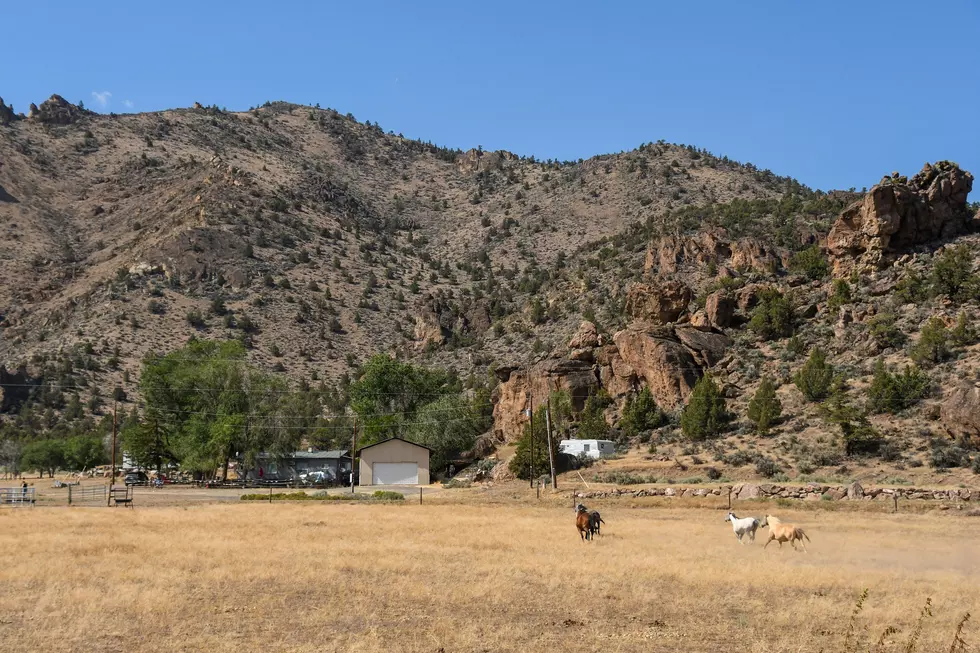

ODA Reminding Animal Owners To Plan Ahead This Summer
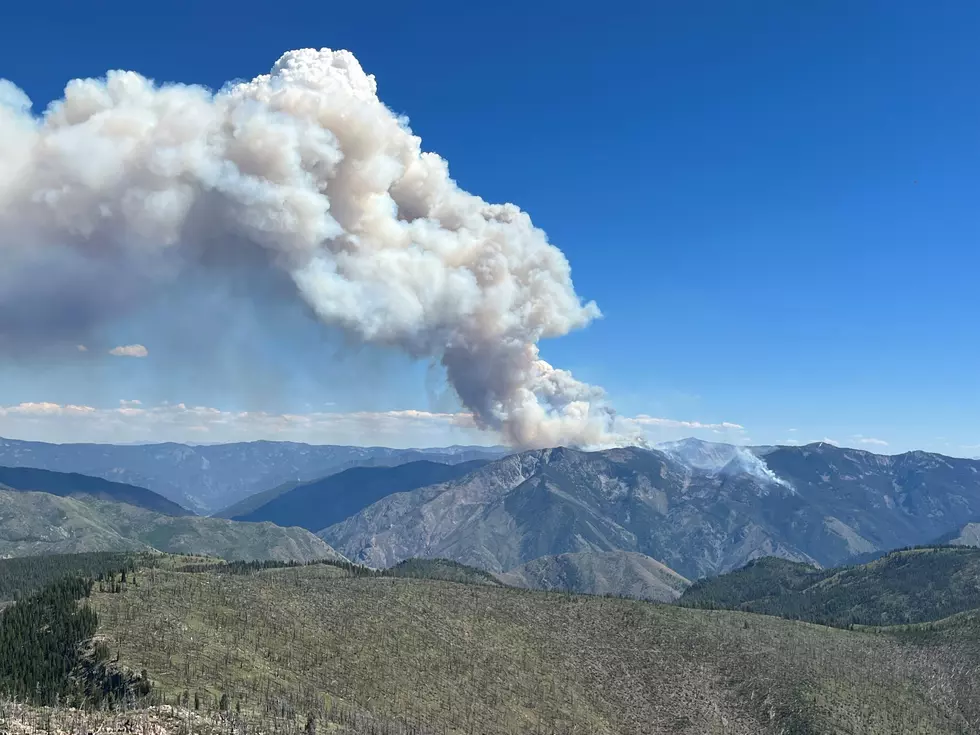
As wildfires and extreme summer weather become more common, officials with the Oregon Department of Agriculture say it's important to include animals in your disaster plans. Whether you have pets, livestock, or care for shelter animals, ODA said planning ahead can save lives.
ODA recommends you prepare a go-kit with several days of food and water, medications, medical records, and carriers or leashes. If wildfire threatens, evacuate early and never leave animals behind.
Small Animals
For those with pets, dogs, cats, small mammals, birds, etc., ODA recommends:
Emergency Kit Includes:
- Food and water (3–7 days’ worth)
- Bowls, leash/harness, litter and pan
- Medications & medical records
- Crate or carrier (label with name and contact info)
- Blankets, familiar toys (comfort items)
- Photos of you with your pets (for ID if separated)
During Wildfires:
- Evacuate early if possible—do not wait for mandatory orders.
- Never leave pets behind; smoke and heat can be fatal.
- Keep pets indoors or leashed to prevent them from fleeing in fear.
The American Veterinary Medical Association has additional tips and recommendations for pet owners facing a wildfire. You can get that information by visiting the AVMA's Website.

Large Animals
For those with livestock, such as horses, cattle, goats, chickens, etc., ODA recommends:
Preparations:
- Identify evacuation trailers and transport options in advance
- Mark animals (ID tags, microchips, or spray paint phone number on hooves or coats)
- Maintain firebreaks and remove brush around barns and fencing
- Ensure water sources (tanks or ponds) are full and accessible.
Livestock Go-Kit:
- Feed/hay, water storage, buckets
- Halters, ropes, ID tags
- Medical supplies, vaccination records
- Tools: wire cutters, shovel, flashlight
Fire Strategy:
- Pre-designate safe zones (bare ground, cleared pastures)
- Evacuate large animals early, loading in panic is dangerous and slow.
After a disaster, check your property for hazards, monitor animals for signs of stress or injury, and contact local shelters if any pets are missing.
When it comes to heatwaves, ODA said make sure animals have plenty of shade and fresh water, and never leave them in a parked vehicle.
If you have a story idea for the PNW Ag Network, call (509) 547-9791, or e-mail glenn.vaagen@townsquaremedia.com
More From PNW Ag Network