The Grasshopper Fire burned toward the fairgrounds in Tygh Valley, and with 83,000 acres gone and winds shifting fast, Wasco County made the call to cancel the fair before it ever opened Thursday.
Oregon DHS reopened its wildfire support hotline for the 2024 fire season. It started after the 2020 Labor Day Fires and now serves anyone impacted, from smoke to evacuation. Reach them anytime at 833-699-0554.
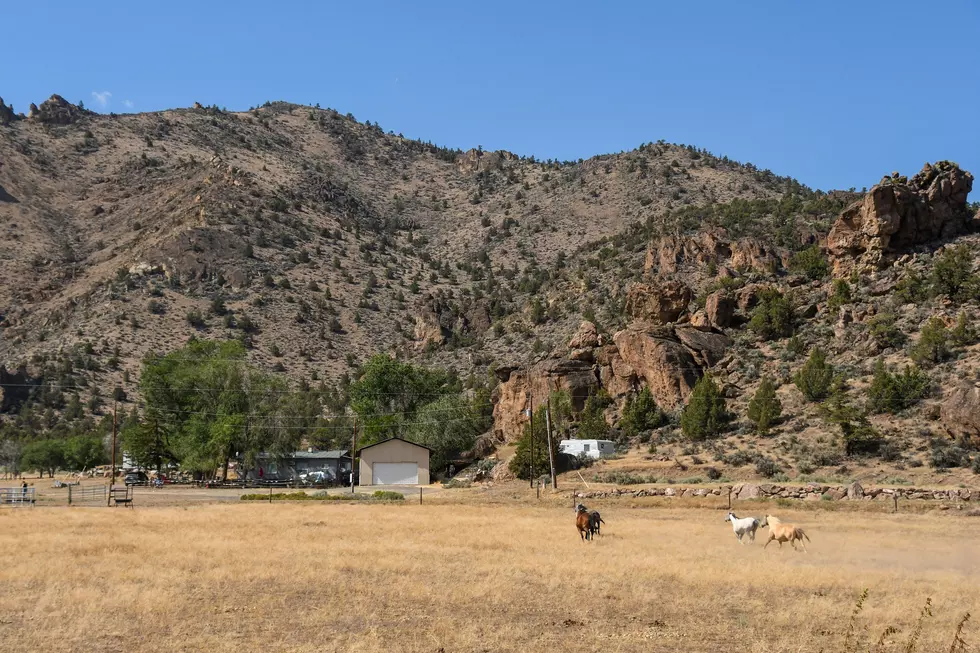
Dry summer heat is taking a toll on pastures from the Pacific Coast to the Great Plains. Nationwide, only one in four acres of rangeland is rated good to excellent right now, and the numbers keep slipping.
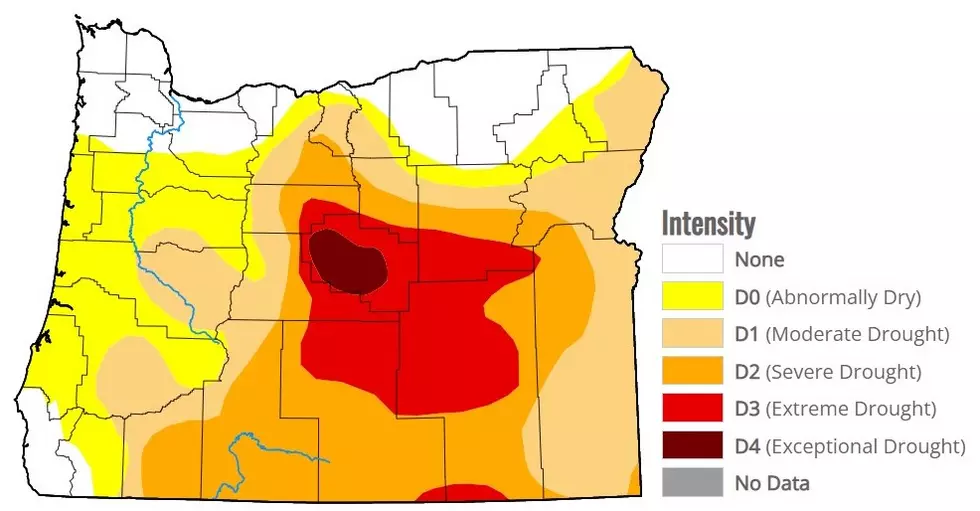
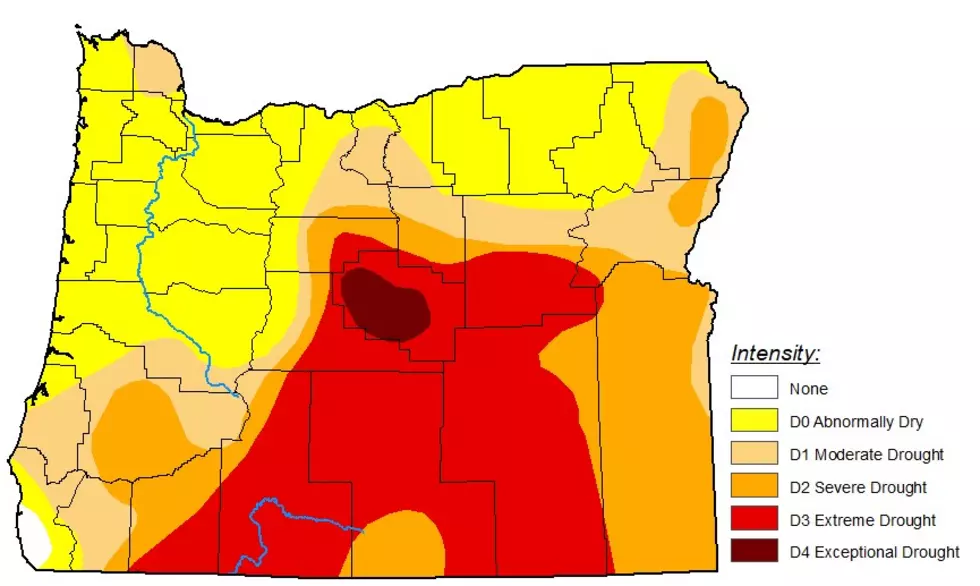
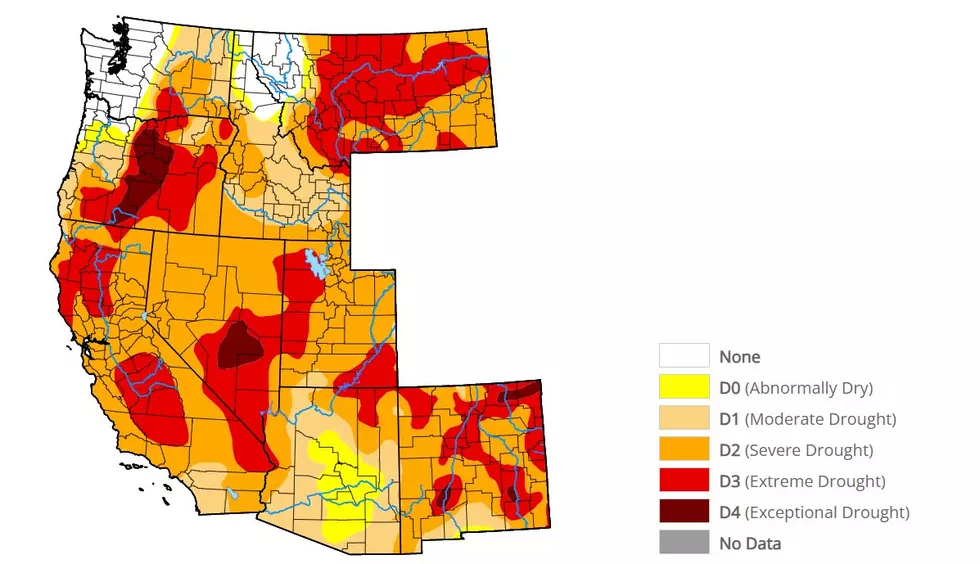
From the southwest corner of Oregon to the northeast, a wide band of extreme drought is straining water supplies and drying out fire fuels at the same time.
Klamath Drainage District blew past its 10,000-acre conservation goal this season, with landowners idling more than 11,000 acres — about 20% of the entire basinwide water reduction effort.
Governor Kotek added Curry and Union counties to Oregon's drought emergency list, with nearly all of Union County in severe to extreme drought as of the end of June.
Oregon's wildfire season is a reminder that pets and livestock need their own emergency plans — including a packed go-kit with food, records, and a labeled carrier ready to grab on the way out.
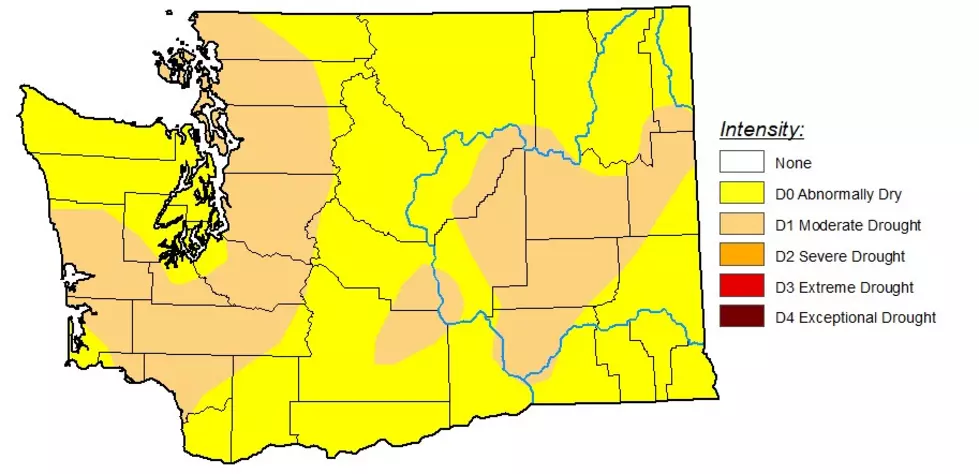
The Pacific Northwest drought map is looking more serious this week, with Idaho, Oregon, and Washington all reporting expanding dry conditions and parts of Idaho near the Nevada border now at the highest drought classification on the scale.
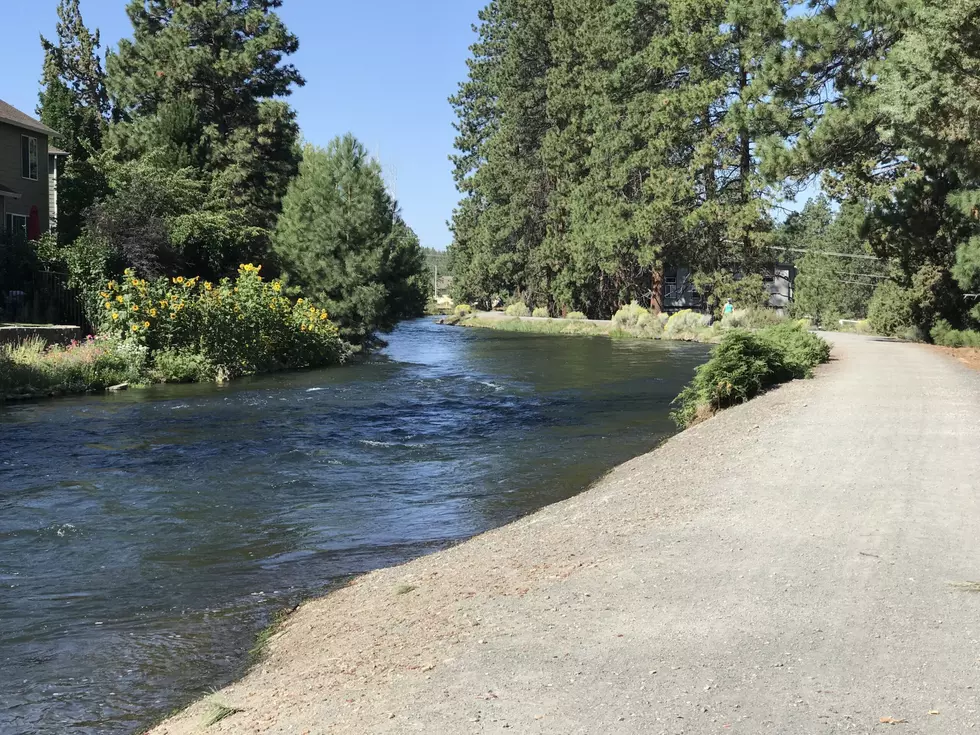
As the Deschutes River runs lower this season, Central Oregon Irrigation District has scaled back water deliveries to roughly 70%, with updates expected as conditions continue to shift.
In Oregon, Governor Kotek’s latest drought declarations affect Josephine and Wasco counties, where dry conditions threaten agriculture and drinking water for residents this summer.