Idaho’s Snowpack “Very Below Normal” This Year
For much of the Northwest, the peak of the snowpack typically comes in early April.
But the winter of 2025-2026 has been anything but typical.
While Idaho saw a sizeable storm system move across the area a few weeks ago, it wasn’t enough to move the needle on this year’s snowpack. And Erin Whorton with NRCS added any snow that may have fallen recently didn’t last long, thanks to record warm temperatures.
“And so it looks like the snowpack peaked about three weeks early on average in Idaho," said Whorton. "So, it looks like it peaked around March 17th compared to April 5th. So that's about three weeks early. And unfortunately, we peaked at 68% of our normal amount of snow water equivalent, so the amount of water content in the snowpack. So, we did end up with a very below normal snowpack this year.”
With the exceptions of the Big Lost and Little Lost, all basins across Idaho are below 80% of normal for the 3rd week of March, and half a dozen basins are below 50% of this time of year, with the Owyhee only at 1%.

What Does An Early Melt Mean For Idaho Farmers?
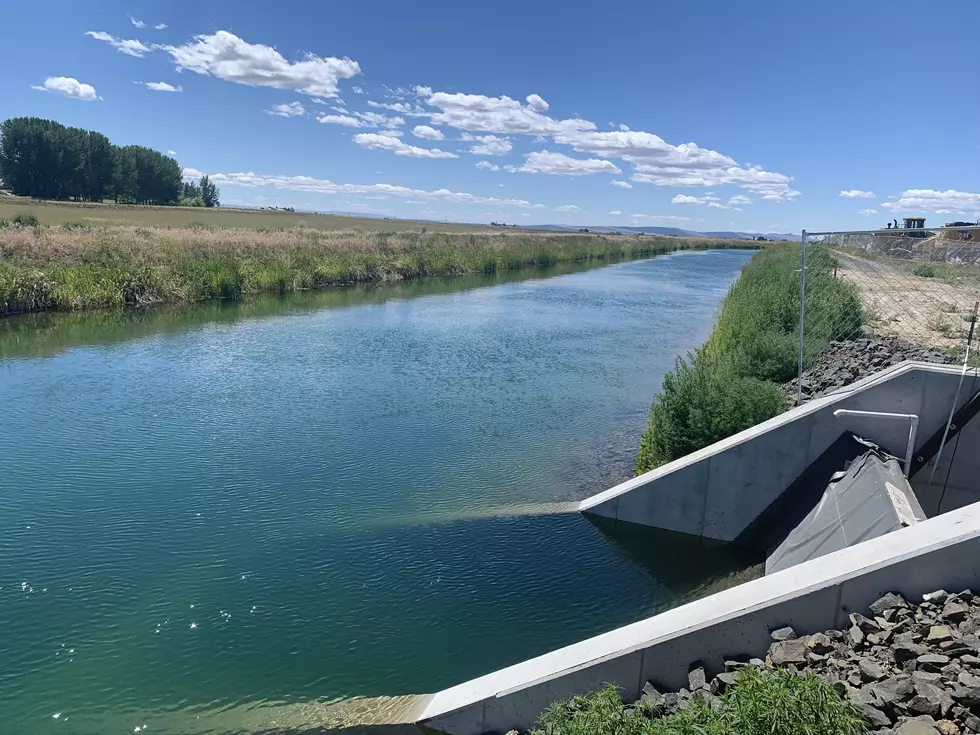
With the snowpack peaking about three weeks early, Whorton said that means the snowpack is melting earlier that average as well. And she noted an earl melt-off means the peak streamflow is going to take place much earlier than is needed.
“Typically in the spring, the snowpack melts really slowly," Whorton said. "There's a lot of water entering the system from melting low and mid-elevation snowpack. And this year, because we are missing that snowpack, we're not going to see that flush. And then it's not the peak is not going to be as high. So basically natural flow in our streams and rivers is going to be a lot lower this year compared to previous years, both terms of amount and then the timing being off could really impact operations, especially if the peak passes so early and then we don't have that high elevation snow to support natural flow later into the spring.”

Several Parts Of Idaho Are Expected To Be Dry
Whorton added if this trend continues in the coming weeks, irrigators will be forced to switch to alternative water sources this spring. Whorton said while northern Idaho is headed into its 4th year of drought, much of the concern this irrigation season is in the southern portion of the state.
Whorton pointed out while the snowpack is in very bad shape for this time of year, the Water Year To Date numbers look good across Idaho.
Whorton Has A Detailed Look At The Current Snowpack
If you have a story idea for the PNW Ag Network, call (509) 547-1618, or e-mail glenn.vaagen@townsquaremedia.com
More From PNW Ag Network