With winter still in full swing, concerns about snowpack levels are creeping into conversations about water supply. And the concern is up and down the west.
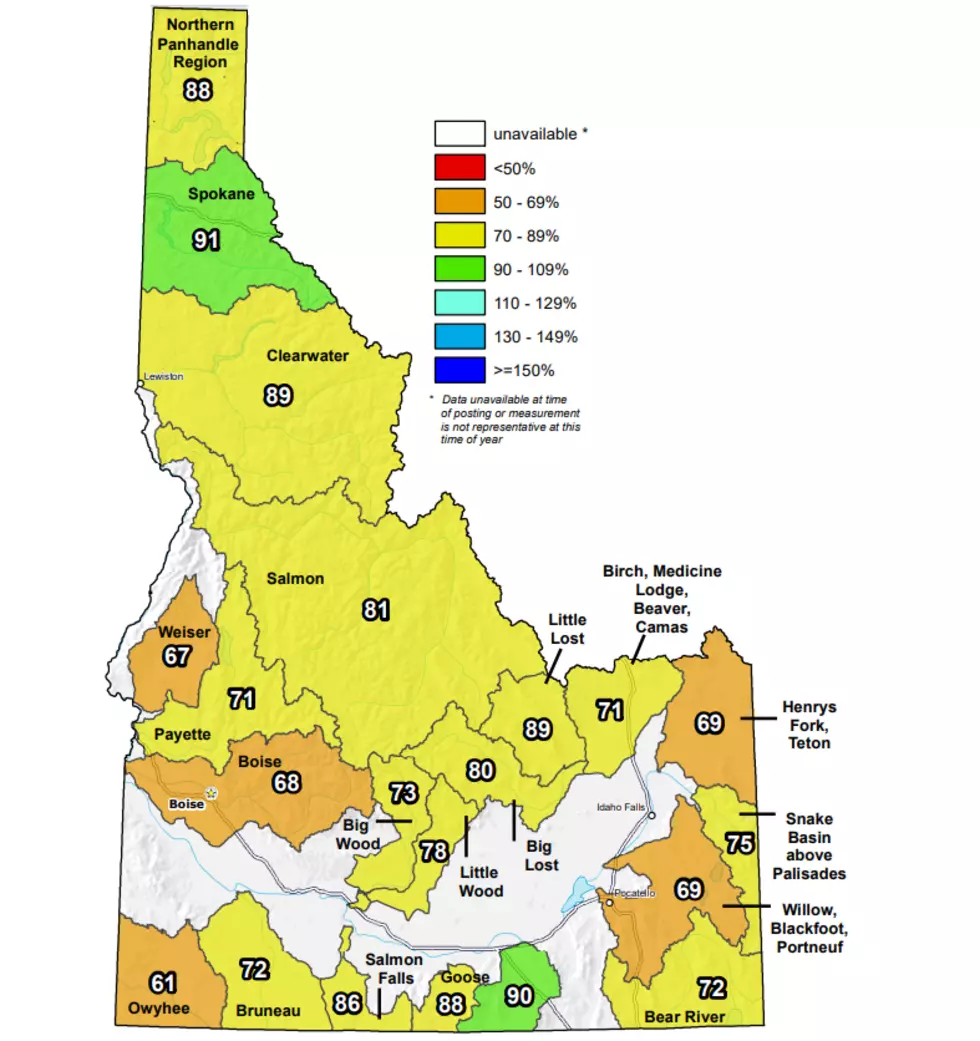
Idaho's snowpack is looking a bit grim this January, but there’s a silver lining hiding in the rainfall data. Let’s unpack what this means for the water needs of the Gem State.
December has been a wet month across much of the Northwest, and while much of that fell as rain rather than snow, any precipitation is welcome news, especially in northern Idaho.
This week, the Idaho Water Resource Board approved over $30 million in new funding for key water initiatives aimed at protecting the Eastern Snake Plain Aquifer.
With Memorial Day, the unofficial kick off to summer, this weekend, now is a good time to close the book on the snow season in Idaho. Erin Whorton with NRCS said for the most part the 2024-2025 snow year was good with above normal snowpacks recorded across much of the Gem State.
“...
Despite the warming daytime highs, the snowpack across Idaho still looks very good. Erin Whorton with NRCS said the snow season was a good one across the state.
“We saw wetter than normal conditions north of the Snake River Plain, especially compared to last year, and we really saw a much better snowpack in northern Idaho compared to last year," she noted. "The snowpack sout...
Read
Snowpacks across Idaho are looking very good as we head into the final weeks of the snow season. When it comes to individual basins across the Gem state, most are at or above normal for this time of year, with the one expectation being the Coeur D’Alene-St. Joe in norther...
After months of concern, it looks like irrigators in Idaho can breathe a small sigh of relief, after the snowpack made considerable improvements between January and February.
“We've had a lot of big storms come through the area and so we've seen the snowpack really improve, especially from the Salmon Basin through the south," said Erin Whorton with NRCS. "So, wes...
NRCS Idaho is out with its February Water Supply Outlook Report. According to NRCS, snowpack percentages compared to normal decreased significantly, thanks primarily to a abnormally dry January. As of February 1, basin-wide snowpack percentages range from 68% to 119% of normal.
...