

Dry Conditions Hurt Southern Idaho’s Wheat Crop
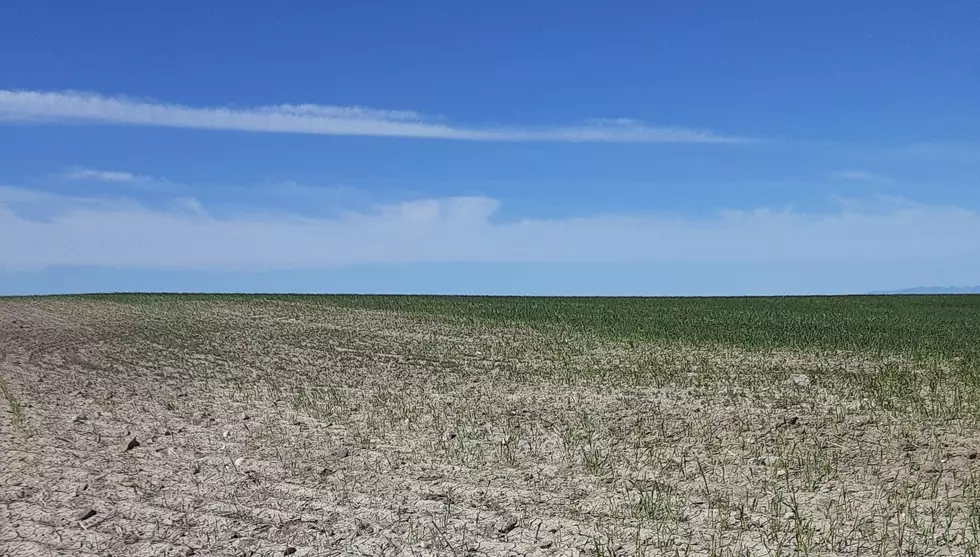
Dry conditions across southeastern Idaho have already stressed this year’s wheat crop. Juliet Marshall, Director of the University of Idaho's Agricultural Experiment Station, said the problems this spring, started months ago, thanks to a long, warm fall, followed by an open winter that didn’t allow the wheat to hit dormancy.
“So that meant it kept using water throughout the entire fall season," Marshall said. "Of course, the early warmth that we had in the spring meant that there was additional drought stress because we couldn't get the irrigation on. And so that meant that the winter wheat pretty much used up all the soil moisture reserves. throughout the entire winter, which means the crop advanced rather quickly and it is short and drought stressed."
Marshall noted irrigation eventually turned on in mid-April, alleviating some of the long-term effects.
“However, the crop was already set when it comes to yield and plant height and it was advanced for like a month," Marshall said. "It was earlier than it needed to be for three to four weeks, which meant that it started heading. So the drought stress completely changed the outlook for our yields for winter wheat.”
When it comes to spring wheat, Marshall says the warm weather allowed growers to plant weeks early, but since irrigation was not available, the spring crop was stressed as well, but not to the level of the winter wheat crop. She added spring wheat should fare better, unless the irrigation water is turned off early this summer.
If you have a story idea for the PNW Ag Network, call (509) 547-9791, or e-mail glenn.vaagen@townsquaremedia.com
More From PNW Ag Network