
Expert Isn’t Convinced The National Herd Is Rebuilding
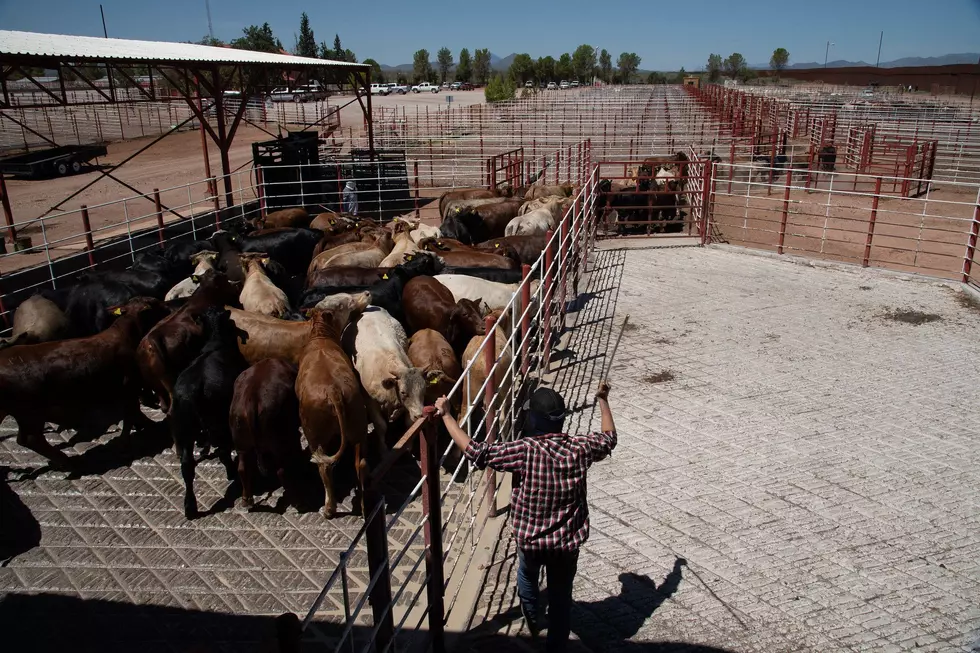
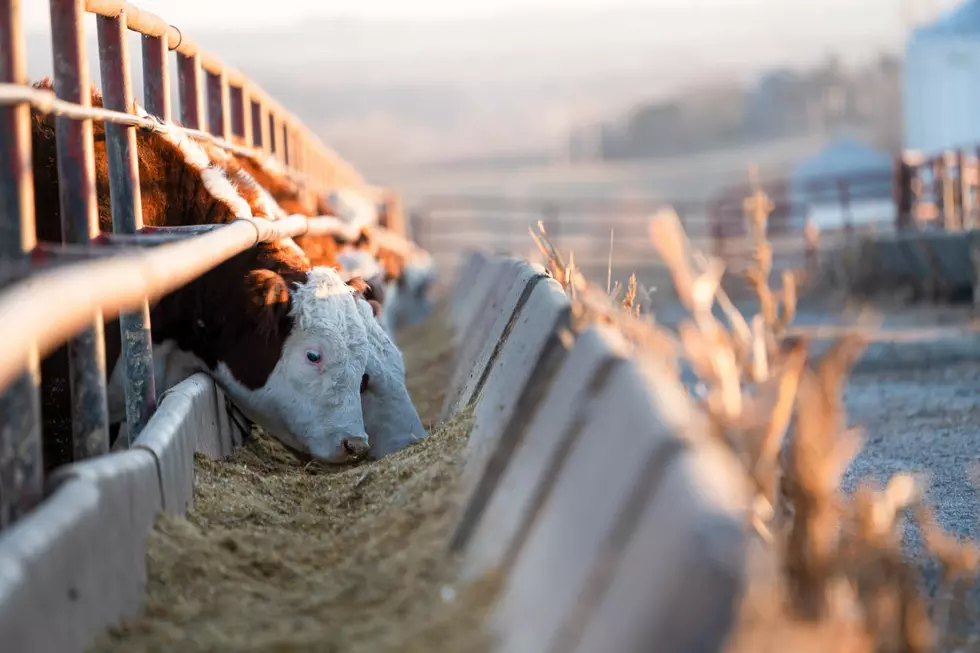
April’s Cattle on Feed Report provided a breakdown of steers and heifers on feed. Heifers fell to 37% of the total on-feed inventory, which typically hints at a herd rebuild phase beginning. ShayLe Stewart, livestock market analyst with DTN, said 37% is more of a neutral number, not indicating growth or contraction.
“I believe that there are pockets in the U.S. where we are seeing some minor rebuilding occur," Stewart said. "But I also believe that we are seeing, and we will continue to see in the weeks ahead if we do not get the moisture that we desperately need, we will see whether it be young cows let go, less desirable stock let go, or just the liquidation of some older cows to maybe hit that hamburger market. But really, I'm not comfortable saying that the herd has truly began to be rebuilt yet.”

We Don't Have Enough Positive Factors To Push The Cycle Into Growth Mode
Several market factors are weighing in as we approach summer, which Stewart said could halt any signs of a herd rebuild.
“I believe we're in a neutral phase just simply because we don't have enough positive factors to push the cycle into growth mode," she noted. "There are areas where that is indicative and where that is possible, but to say that the entire industry is doing so is not something that I think anybody would step out and say just because there are too many external factors that weigh against the marketplace at this time. We have the war in Iran, we have fuel prices too high, interest rates are not low. We do not know what's going to happen in regards to drought this summer. Feed prices in regards to the corn complex, they look like they're going to be relatively affordable. But, you know what? Time changes things.”
You Can't Compare This Year To Last
As for the upcoming cattle on feed reports, data could be slightly skewed compared to the same time last year. The U.S. did reopen its border to Mexican cattle imports for a short time, but Stewart notes that it’s difficult to compare 2025 to 2026.
“It was minuscule enough to where if we take the numbers in full perspective, we will be able to understand the story," Stewart said. "Now, depending on drought and the ramifications of feedlot placements, numbers might be a little skewed because it's really two different worlds. Comparing the market of 2025 to the early market of 2026, they're different scenarios. Our border is not reopened right now. We might be placing some cattle in feedlots more aggressively early this spring just because we don't have the option of green grass as much as we did even just a year ago. So, I think that we need to be careful and if there is a variation in the typical data scheme to look and say ‘why?’.”
If you have a story idea for the PNW Ag Network, call (509) 547-9791, or e-mail glenn.vaagen@townsquaremedia.com
More From PNW Ag Network