Grizzly Bear Management Returning to States
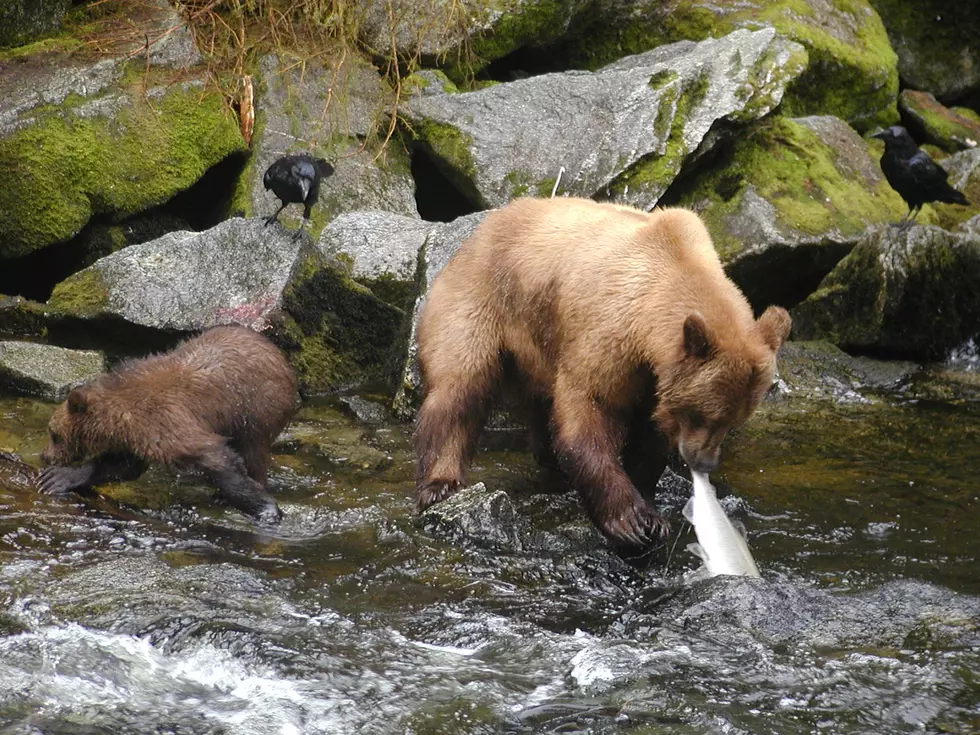
This week, the Department of the Interior and the U.S. Fish and Wildlife Service announced a revised a rule for grizzly bear management that would return authority to states, but no final rules have been published.
Interior said the updated management proposal ensures the Endangered Species Act is being used as Congress intended while continuing to support the species' long-term conservation.
The revised proposal builds on decades of conservation progress led by states, tribes, federal agencies, private landowners and local communities. By providing additional management flexibility in areas where conservation benchmarks and population objectives have been achieved, the proposal would help wildlife managers address conflicts and public safety concerns while continuing to support the long-term conservation of grizzly bears.
Proposal Maintains ESA Protections
“The science is more than clear: grizzly bears have recovered and far exceeded every federal recovery benchmarks. Today, Interior is returning conservation leadership to the Western states instead of Washington bureaucrats,” said Secretary of the Interior Doug Burgum. “Under the leadership of President Trump, we’re following the science, upholding the law and ending politics masquerading as conservation.”
“Grizzly bear conservation has steadily advanced over the decades in many portions of the species’ range,” said U.S. Fish and Wildlife Director Brian Nesvik. “This proposal recognizes these successes and right-sizes management where the greatest conservation success has taken place. This action would support the administration’s priority of easing regulatory burdens through common sense flexibilities in management.”
"This announcement is a long time coming and very good news for many communities and the wildlife within the Yellowstone ecosystem and across bear country," said Congressman Ryan Zinke, former Secretary of the Interior. "Like the bald eagle before it, the recovery of the grizzly stands as one of America's great conservation success stories—the culmination of decades of hard work and dedication on the part of state, tribal, federal, and private partners. As a Montanan and former Secretary of the Interior who started this process, I'm proud of what we've achieved together. I trust our state wildlife professionals in managing the bear population according to the best science going forward, as they do all our wildlife.”
Interior said the revised proposal supports the Trump administration's goal of "reducing unnecessary regulatory complexity, empowering states and tribes and ensuring wildlife management decisions are practical, science-based and effective on the ground". The rule does not change the grizzly bear’s listing status under the Endangered Species Act and does not affect existing experimental population designations.
A 30-day public comment period on the revised proposed has been reopened. The revision updates a January 2025 proposal and focuses solely on the 4(d) provisions. The proposed rule, supporting documents, and instructions on how to participate in the public comment process are available on the Fish and Wildlife's Website. The public comment will be open for a month, through August 17th.

Cattle Industry Applauds The Move
“This proposed rule acknowledges that grizzly bears have met recovery goals and the best management outcomes will happen at the state level,” said National Cattlemen's Beef Association President-Elect, and Idaho rancher, Kim Brackett. “Management is most effective when policy reflects on-the-ground realities and provides the flexibility needed to address conflicts between grizzly bears, livestock producers and rural communities. By removing non-scientific barriers to successful species management, the Trump administration is restoring a key function of the ESA which gives local stakeholders the tools they need to manage recovered grizzly bear populations. NCBA thanks the Interior Department and USFWS for bringing common sense to the recovery process and supporting rural communities.”
“The science has been clear for years: grizzly bears are recovered, and it’s time to empower states to manage the wildlife and community dynamics for a stable future,” said Public Lands Council President Tim Canterbury. “As apex predator populations have grown, producers have faced increasing livestock losses, significant financial impact and growing public safety concerns under a federal recovery regime. This updated rule makes the successful transition from recovery to management by working with state agencies, local stakeholders, and ranchers to effectively manage recovered grizzly bear populations. PLC thanks the Trump administration for following established science and standing with America’s ranchers.”
“This proposed rule acknowledges that grizzly bears have met recovery goals and the best management outcomes will happen at the state level,” says National Cattlemen’s Beef Association President-Elect and Idaho rancher Kim Brackett. “Management is most effective when policy reflects on-the-ground realities and provides the flexibility needed to address conflicts between grizzly bears, livestock producers, and rural communities.”
“It’s abundantly clear Idaho’s grizzly bear populations have widely exceeded recovery goals,” said Idaho Senator Jim Risch. “Increasing state authority to manage grizzly bears ensures our own local wildlife agencies, who understand Idaho’s environment best, can follow the science and make commonsense conservation decisions without bureaucratic inefficiencies.”
“The recovery of the grizzly bear in the West is a conservation success story made possible by decades of work from state, tribal, federal and local conservation partners,” said Idaho Senator Mike Crapo. “For years, I have advocated for returning grizzly bear management to the states as recovery objectives and benchmarks have been achieved. Secretary Burgum’s announcement moves us one step closer to allowing Idaho wildlife professionals to manage a recovered grizzly population in a way that protects both the species and Idaho communities.”
Not Everyone Supports The Proposal
“This is a decision being made for political reasons, it is not based on science, in the best interest of the survival of the species, or in compliance with the requirements of the Endangered Species Act,” said Greg LeDonne, Idaho director of Western Watersheds Project. “It’s clearly too soon to remove federal protections in light of the continued lack of connectivity, ongoing habitat destruction and modification due to climate change, and record numbers of grizzly bear mortalities in 2025 even under existing protections.
“We know what state management will look like for grizzly bears because Wyoming, Idaho, and Montana have already told us what they plan to do,” LeDonne added. “State management will lead to high mortalities for grizzly bears because these states consistently ignore science and ethics, promote misinformation, and enact laws and regulations to permit the killing of carnivores by any means they deem necessary. Once delisted and placed under state management, grizzly bears will be subjected to the same persecution and eliminationist goals that these states imposed on wolves after delisting. Not only will recovery and connectivity between populations be impeded, but the survival of grizzly bears in the lower 48 States may be jeopardized.”

If you have a story idea for the PNW Ag Network, call (509) 547-9791, or e-mail glenn.vaagen@townsquaremedia.com
More From PNW Ag Network