USDA Rolls Out Expanded Disaster Assistance Programs & Marketing Assistance Loans
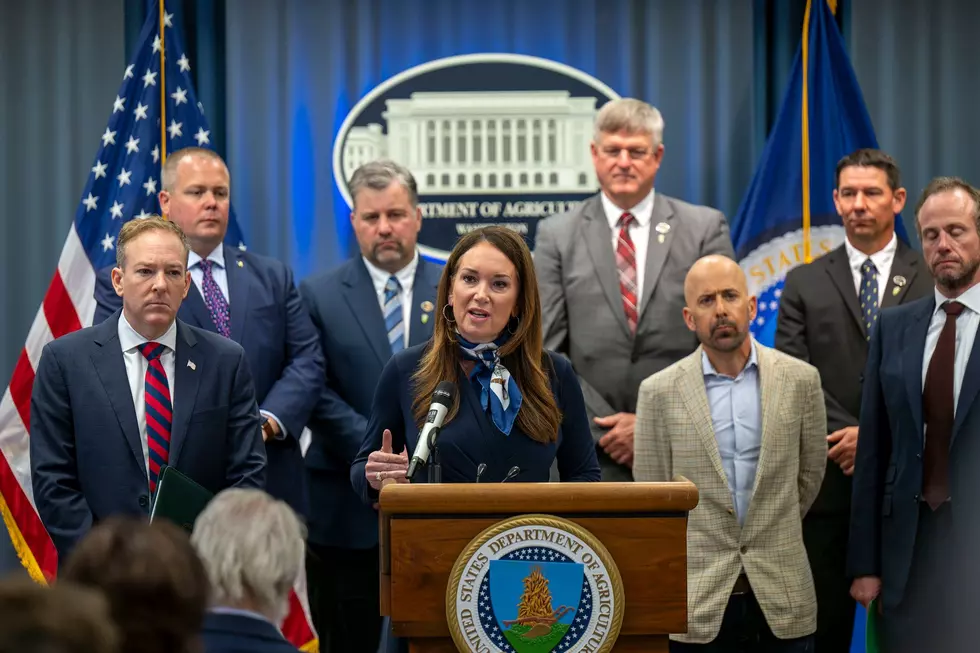
Earlier this month, USDA rolled out what it called expanded disaster assistance and stronger farm safety-net programs for producers nationwide. Ag Secretary Brooke Rollins said the changes, authorized under the Working Families Tax Cuts Act, signed into law July 4, 2025, will increase support for livestock producers, orchardists, nursery growers, and other farmers affected by drought and natural disasters.
"As we celebrate our nation's 250th birthday, we also celebrate our all-important farmers," said Secretary Rollins. “The Trump administration is committed to ensuring the economic success of farmers and ranchers who rely on a strong safety net when natural disasters impact their infrastructure or when market prices affect their profitability. These producers need and deserve assistance that works for them, not against them.”
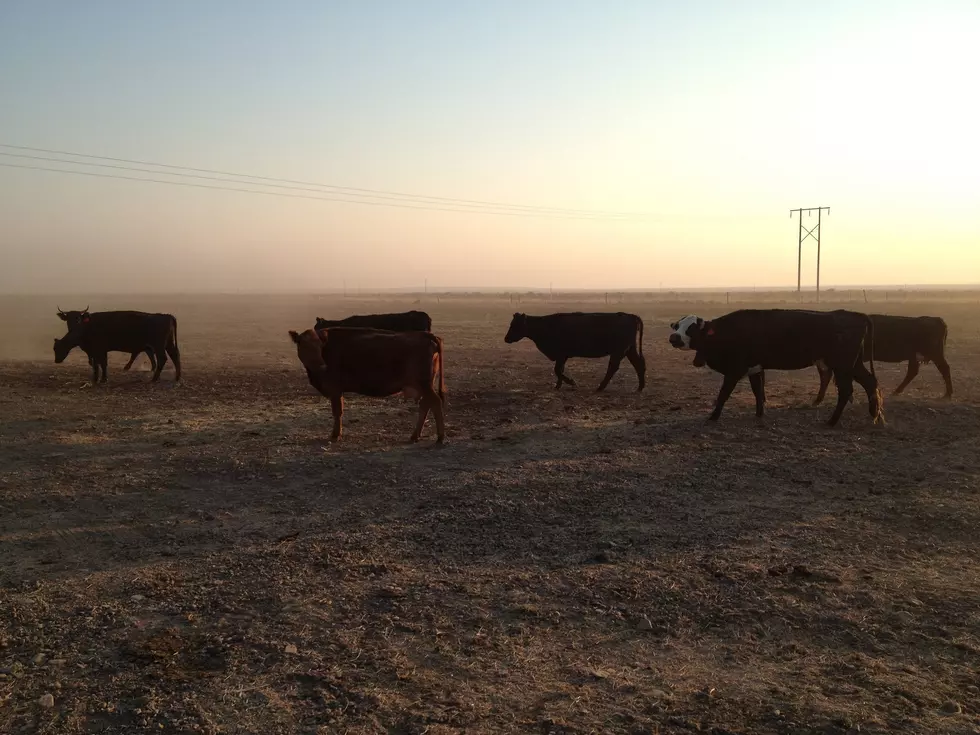
Among the biggest changes, she noted, livestock producers can now qualify for drought assistance after just four weeks of severe drought instead of eight. Payments for losses from protected predators are also increasing, and orchard and nursery growers will receive higher reimbursement rates for replanting after disasters.
Additional changes announced by USDA include:
Disaster Assistance Programs
USDA is expanding disaster assistance coverage and increasing benefits to help producers recover from eligible losses.
- Emergency Assistance for Livestock, Honeybees, and Farm-Raised Fish Program (ELAP): ELAP helps producers with losses due to disease, certain adverse weather events, and qualifying conditions that are not covered by other USDA disaster assistance programs. Retroactive to Jan. 1, 2026, ELAP is providing benefits to farm-raised fish losses due to birds that feed on fish and has established a payment rate of $600 per acre of farm raised fish. Also, effective for 2026 losses, FSA will use a normal mortality rate of 15% for eligible honeybee colony losses.
- Livestock Forage Disaster Program (LFP): LFP provides financial assistance to livestock producers who suffer eligible grazing losses due to a qualifying drought or fire. Retroactive to Jan. 1, 2026, the threshold has been lowered for producers to qualify for a one-month payment with payments now triggering after four consecutive weeks of qualifying severe drought (D2 on the U.S. Drought Monitor) conditions instead of eight weeks. And producers may receive a two-month payment if D2 drought conditions continue for seven out of eight consecutive weeks during the normal grazing period.
- Livestock Indemnity Program (LIP): LIP helps livestock owners and contract growers who suffer livestock losses beyond normal mortality levels due to eligible adverse events. Starting this year, retroactive to Jan. 1, 2026, LIP rates increase to 100% for predation from animals listed as endangered or protected (compared with 75% of market value), and producers have the option to document regional price premiums that exceed the national average market price for eligible livestock losses. Additionally, LIP will also cover unborn livestock losses that occurred on or after Jan. 1, 2024. In most cases, the payment will be automatic for 2024 and 2025 losses based on LIP data on file with FSA with no action required by the producer.
- Tree Assistance Program (TAP): TAP helps orchardists and nursery tree growers replant or rehabilitate trees, bushes, and vines that were lost due to an eligible natural disaster. Retroactive to Jan. 1, 2026, FSA is removing the 15% normal mortality rate, increasing the reimbursement rate for activities like pruning and removal, and extending the implementation period to 24 months with an option to extend.
Marketing Assistance Loans
USDA noted Marketing Assistance Loans (MALs) help producers manage cash flow needs and provide marketing flexibility until market prices improve. Producers who choose to forego an MAL can receive a Loan Deficiency Payment (LDP) that provides immediate financial support without taking out a loan. Both are reauthorized through crop year 2031 and, starting in 2026, loan rates will increase for all eligible commodities. FSA is improving MALs for cotton and sugar producers by:
- Increasing cotton storage credit cap starting with the 2026 crop.
- Updating prevailing world market price for upland cotton, using the three lowest-price growth quotes instead of five. This change is retroactive to July 4, 2025.
- Calculating a new prevailing world market price for extra-long staple cotton, which will be announced weekly, similar to upland cotton.
- Authorizing refunds of upland cotton loan redemptions when the Adjusted World Price (AWP) declines within 30 days of the loan repayment date. Producers who request an LDP may be eligible for an additional LDP disbursement if a lower AWP is announced. This change is retroactive to July 4, 2025.
- Extending sugar program through 2031 and increasing raw cane and refined beet sugar loan rates. Additionally, sugar marketing allotments will be adjusted for beet sugar processors.
If you have a story idea for the PNW Ag Network, call (509) 547-9791, or e-mail glenn.vaagen@townsquaremedia.com
More From PNW Ag Network