

WSU Research Focuses On Vineyard Leaves And Vine Nutrients
New research at Washington State University looks to help grape growers improve nutrient use efficiency and develop a more accurate fertilizer budget. That, researchers say, means growers can keep their input costs in check while ensuring high fruit quality.
The new research shows that leaf fall, dormant cane removal, and environmental conditions can significantly impact nutrient loss in grapevines. WSU’s Dr. Markus Keller noted grape vines act like a bank account.
"You have to have a certain level of stock in your bank account just to earn any interest, right? And vines are like that," said Keller. "They need to have, we call them reserves, the reserve pool in their trunk, in their roots and so on. And that's what they're using for next season's growth early in the growing season. Typically, a grapevine doesn't start even taking up nutrients from the soil until the canopy has developed about five to six leaves per shoot.”
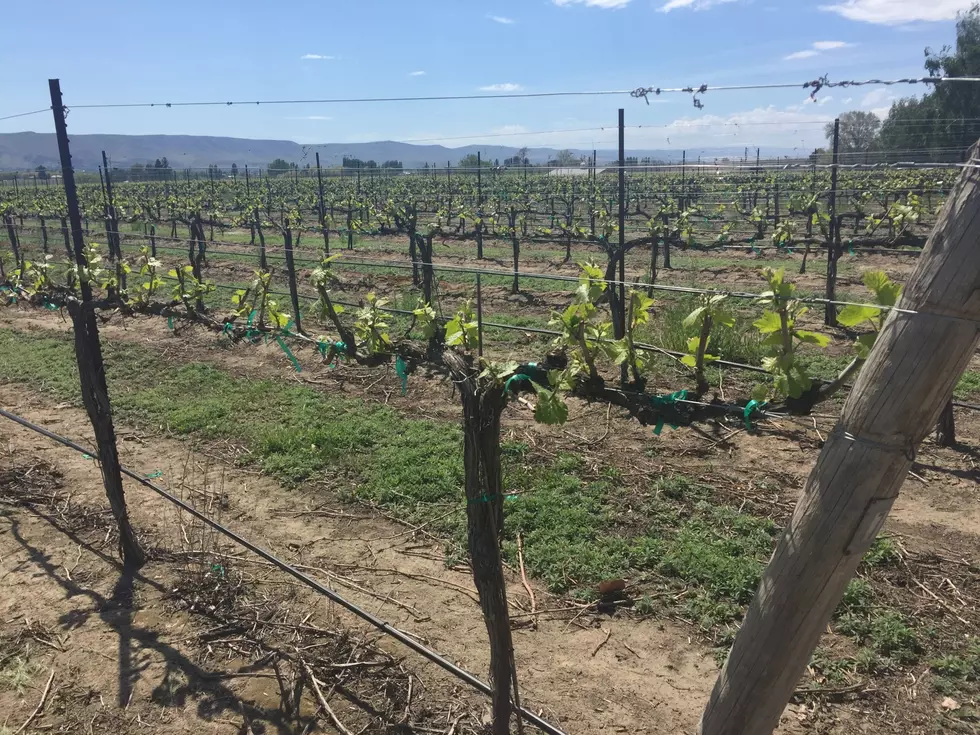
Fall Leaves Are Key For A Great Start Next Spring
Meaning until those leaves pop, the roots aren’t actively taking up nutrients. That means, the first five or six leaves are entirely produced with reserves laid down in the previous season.
Keller said their research shows that changing weather patterns can also make nutrient management challenging for growers. He added in a typical year, leaves change color, fall off and are recycled by the vine for nutrients. But, when cold temperatures or a frost event hits early, that changes everything.
“The leaves now fall off in September instead of November because they freeze off," Keller said. "That can mean loss of half of all the nutrients that the vine then doesn't have. And then we wonder sometimes if we have several of these in a row, why we get nutrient deficiencies developing on these vines. So whatever, the earlier the leaves freeze off on the vine, the earlier we have a fall frost, the more you then have to compensate with fertilizer application in the following spring to make up for that loss.”

Keller Talks In Depth About His Research
Another researcher said this study highlights the importance of taking a more holistic view of vineyard nutrient management.

If you have a story idea for the PNW Ag Network, call (509) 547-9791, or e-mail glenn.vaagen@townsquaremedia.com
More From PNW Ag Network


