
USMCA Now On A “Short Leash”
The Trump administration refused to renew the North American trade pact but has instead opted to keep it alive on a short leash of annual reviews with an expiration date in 2036. Conversely, Canada and Mexico had wanted the deal extended for 16 years. The U.S.-Mexico-Canada Agreement generates about $2 trillion annually in total goods and services traded between the three countries.
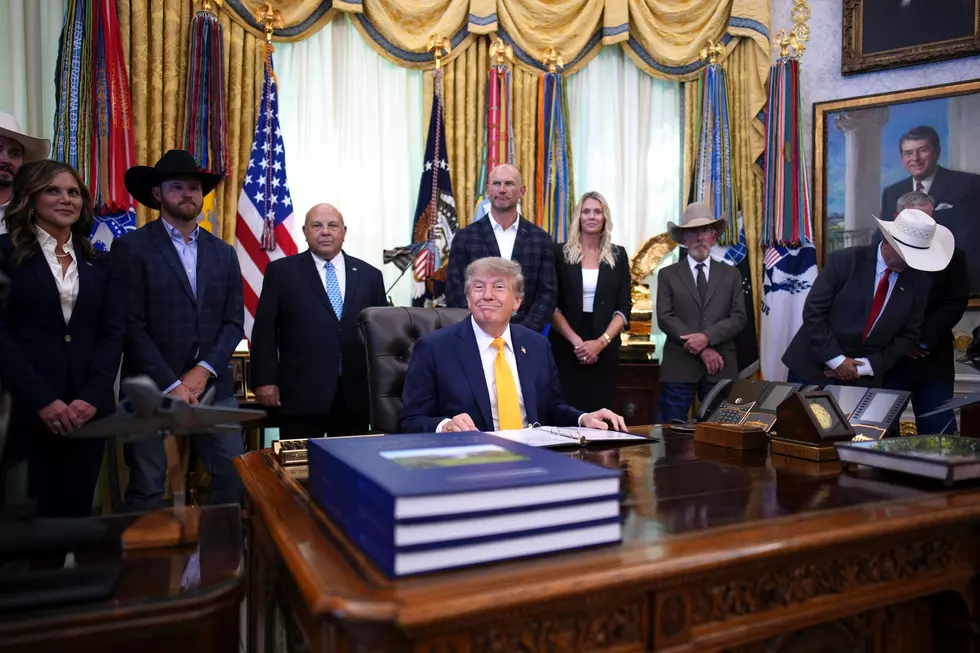
During recent talks, the U.S. trade negotiators informed Canadian and Mexican delegates that Washington will not renew the deal in its existing terms. USTR Jamieson Greer stated that the decision is based on a list of trade irritants and what the U.S. sees as persistent U.S. trade deficits with both of its neighboring trade partners.
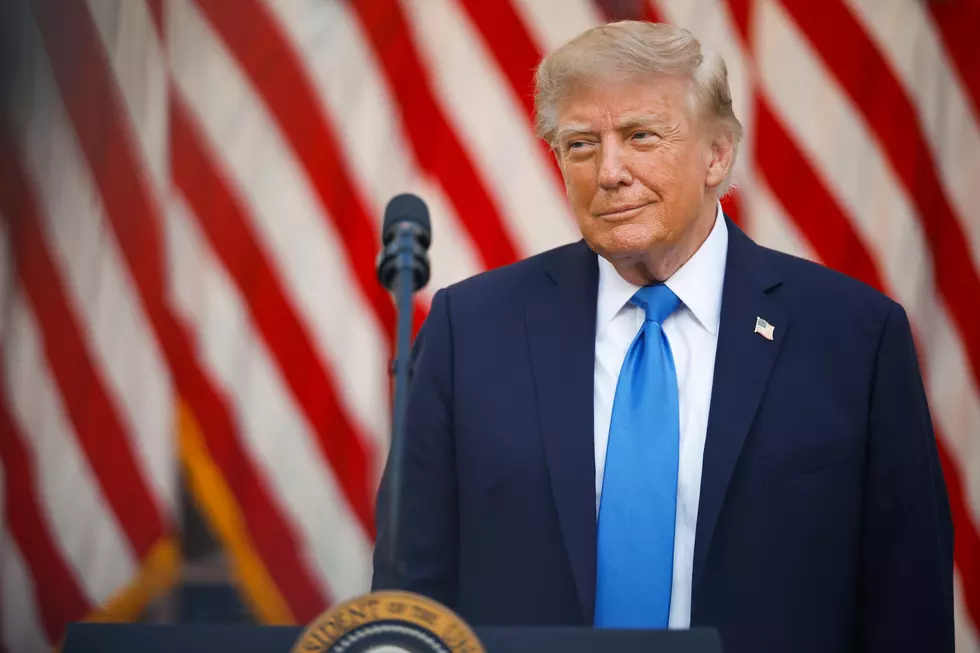
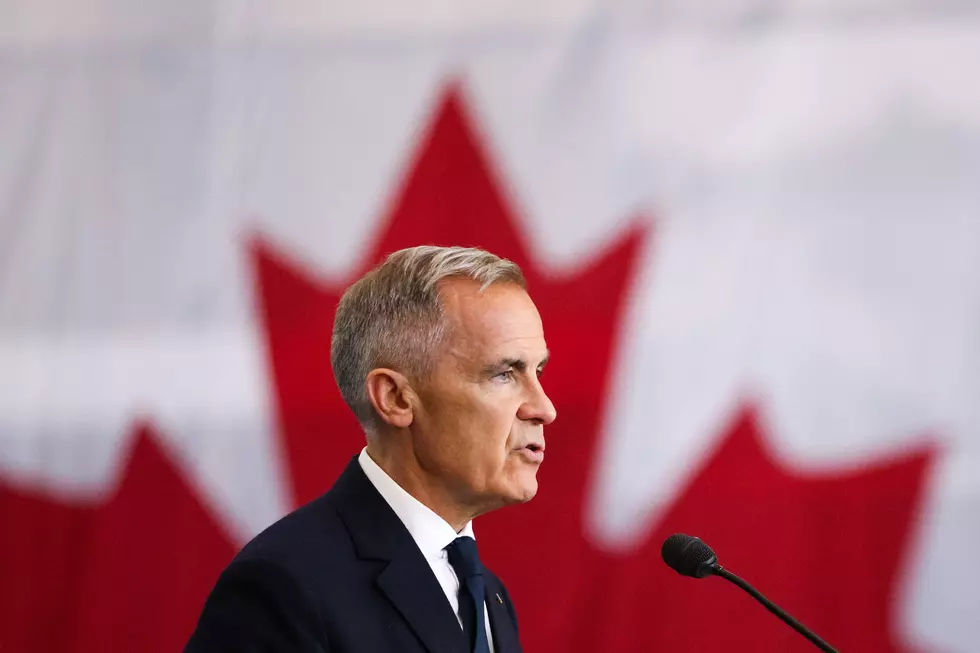
President Trump has harshly criticized the USMCA and just last month threatened to abandon it. Canadian Prime Minister Mark Carney’s analysis was that, while most of Canada’s exports are compliant under the existing agreement, negotiations need to continue to improve the pact.
“The underlying structure has been preserved. It continues to operate for 85% of our exports," Carney said. "It will remain in place for the next decade. But there are specific things that we can work together on.”
USMCA Has Support In All Three Countries
So, the current USMCA stays in force while negotiations continue on an ongoing basis. The only circumstance that could change that is an official six-month notice of withdrawal. That is something the U.S. administration has stopped short of doing so far. The USMCA has support from many Republicans in Congress and, in particular, those representing heavy manufacturing states as well as those representing agricultural states.
Scott Reid, a political analyst based in Ottawa who worked as an advisor in the Prime Minister’s Office under the Paul Martin government, said while Wednesday’s outcome was widely anticipated, the result should not be taken lightly.
“Because it was anticipated, it feels less traumatic," Reid said. "However, this is the most dramatic change since 1989, when free trade between Canada and the United States came into force. We now move into an almost perpetual state of negotiation, discussion, and, sometimes, skirmish.”

The U.S. Is Too Focused On Trade Deficits
Greer said that his team will continue trade talks to attempt to work on numerous trade irritants, including ways to reduce the trade deficit that the U.S. runs with each of its trading partners. Reid believes that the Trump administration’s ongoing fixation with the U.S. trade balance sheet and deficit numbers remains the major irritant.
“There’s a string of grievances, but the fundamental issue, which was signaled again in Jamieson Greer’s statement, is they have a trade imbalance. It reflects the fact that they are purchasing goods that they want, and often that they get at a preferred rate, from Canada," Reid said. "And yet, that is the fundamental issue. Donald Trump and his administration say, 'well, if we are on the negative side of that trade ledger, then we must be the losers'. That is wrong, but that appears to be the entrenched perspective of this White House. And that’s what we have to work our way around.”
If you have a story idea for the PNW Ag Network, call (509) 547-9791, or e-mail glenn.vaagen@townsquaremedia.com
More From PNW Ag Network