
Farm Equipment Caught In U.S./Canada Trade Standoff
Starting Tuesday, Canada is expected to double tariffs on American steel and aluminum from 25% to 50% and impose additional tariffs on hundreds of U.S. products, including agricultural equipment. Equipment manufacturers warn the move could disrupt the North American market and drive up costs across the farm economy.
Kip Eideberg with the Association of Equipment Manufacturers said Canada remains the industry's most important export destination.
"The North American market is the most significant market for the equipment manufacturing industry," said Eideberg. "The U.S. piece of that industry currently runs about a $5.5 billion trade surplus with Canada. So Canada is by far our most important export market. About 30% of the equipment made in the United States is destined for export, and a significant portion of that goes to Canada. Now, we also import parts, components and equipment from Canada. But as I said, the delta there is about $5.5 billion in the U.S.'s favor. So it's an important, if not the most important, export market."
Farmers Are Already Facing significant Headwinds
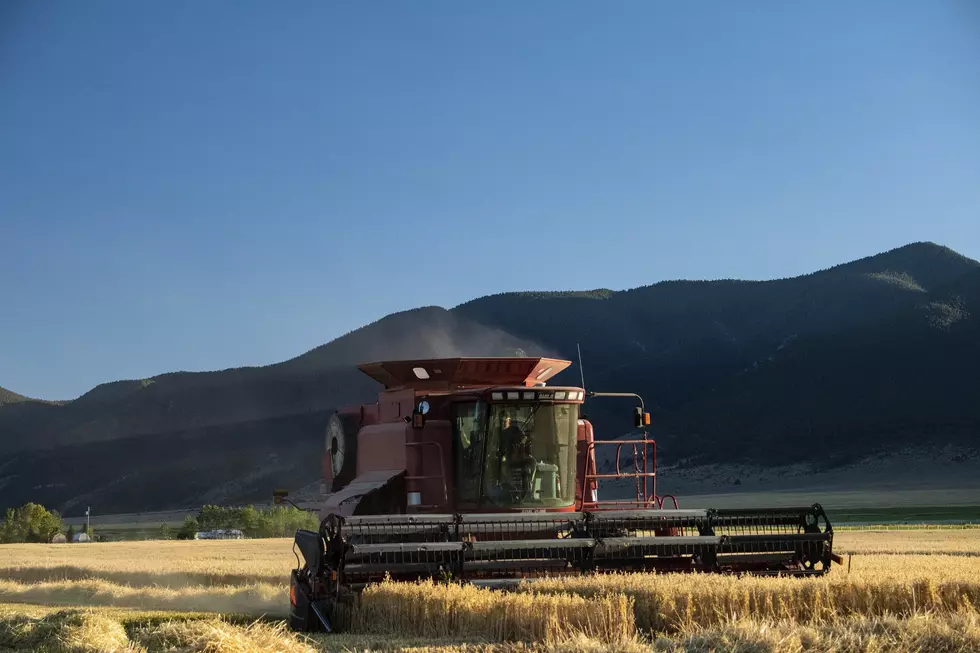
Eideberg added new tariffs will ultimately be felt by the people who buy and use farm machinery.
"There's a fair amount of parts and components made in Canada that goes into equipment made in the United States," he pointed out. "And when those parts and components face tariffs coming into the U.S., that makes the equipment made here more expensive, which makes it more expensive ultimately for U.S. farmers and ranchers. And obviously, with the Canadian government announcing tariffs coming into effect here in a couple of weeks, that's going to make equipment for Canadian farmers more expensive. So overall, the current environment that we find ourselves in is driving up the cost for farmers and ranchers, for equipment manufactures, for our suppliers, and obviously could not come at a worse time with farmers and ranchers facing some fairly significant headwinds.”
Components Can Cross The Border Seven Times
Eideberg continued those costs can add up quickly since modern equipment supply chains routinely cross the U.S.-Canada border multiple times before a machine reaches the customer.
"Much like the auto industry, our supply chains are stretched across North America," Eideberg said. "They're global as well, but we're talking right now about the North American market. And so it is not at all uncommon for a component to move across borders, U.S. and Canada in particular, up to seven times. And so every time that part component goes across the border and it faces a tariff, the cost goes up. So suppliers are facing increased pressure. That in turn means that the cost of making equipment goes up. That puts additional strain on dealers and distributors. And ultimately, unfortunately, some of that increased cost, means increased costs for everyone.”

Negotiations Must Continue
The equipment industry is urging leaders on both sides of the border to return to negotiations.
“Continue to communicate to the Trump administration, to the Carney government, that the current stalemate, and that’s probably a generous term to use to describe the state of the relationship, does nothing but harm, not only to the Canadian and the U.S. economies, but to the broader business community and certainly to our industry and our customers," Eideberg stressed. "So we will continue to carry that message to Washington and to Ottawa, obviously urging both sides to stop playing politics, to put good policy first, and to find a way to get back to that negotiating table, strike a deal for an updated trade agreement for North America, and remove most, if not all, of the tariffs that we are currently facing on both sides of the border."
Eideberg added a renewed trade agreement and greater market certainty would do more to support manufacturers, dealers, and farmers than any short-term relief programs.
If you have a story idea for the PNW Ag Network, call (509) 547-9791, or e-mail glenn.vaagen@townsquaremedia.com
More From PNW Ag Network