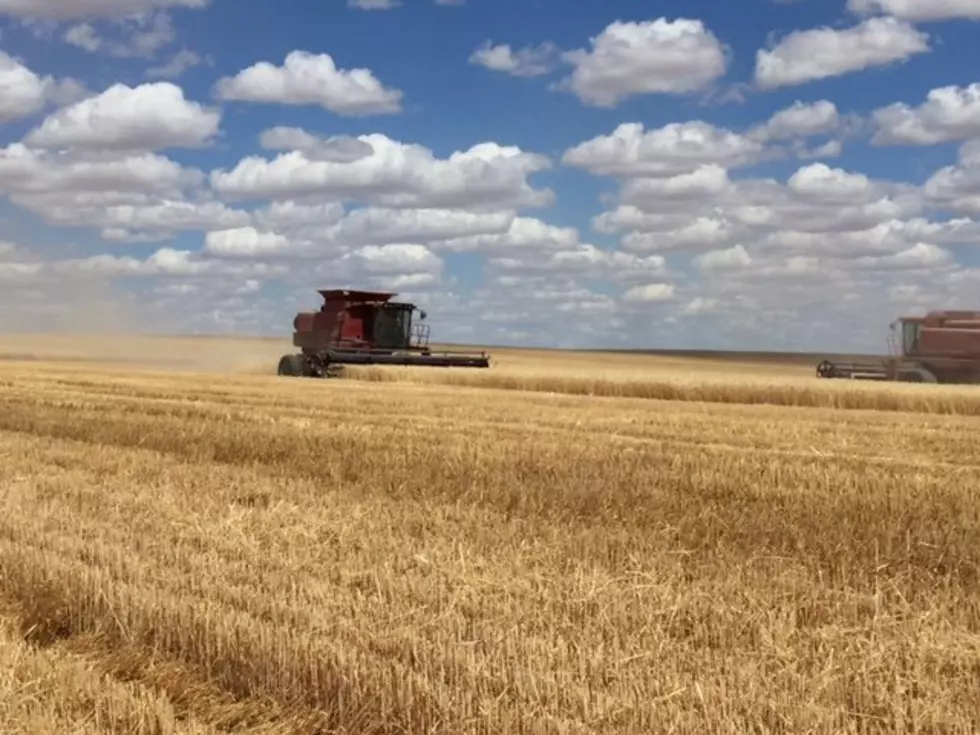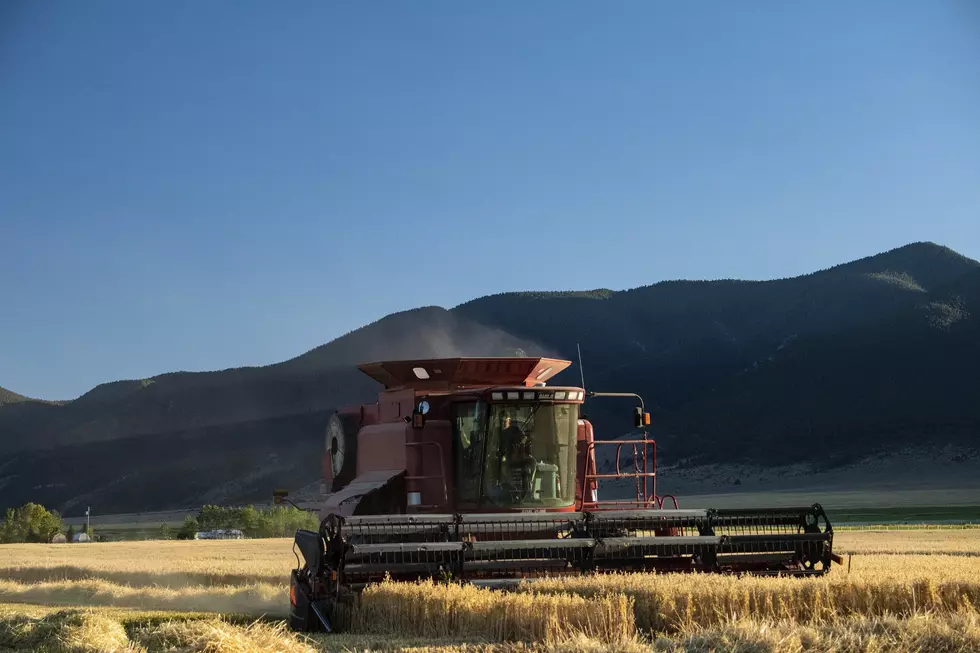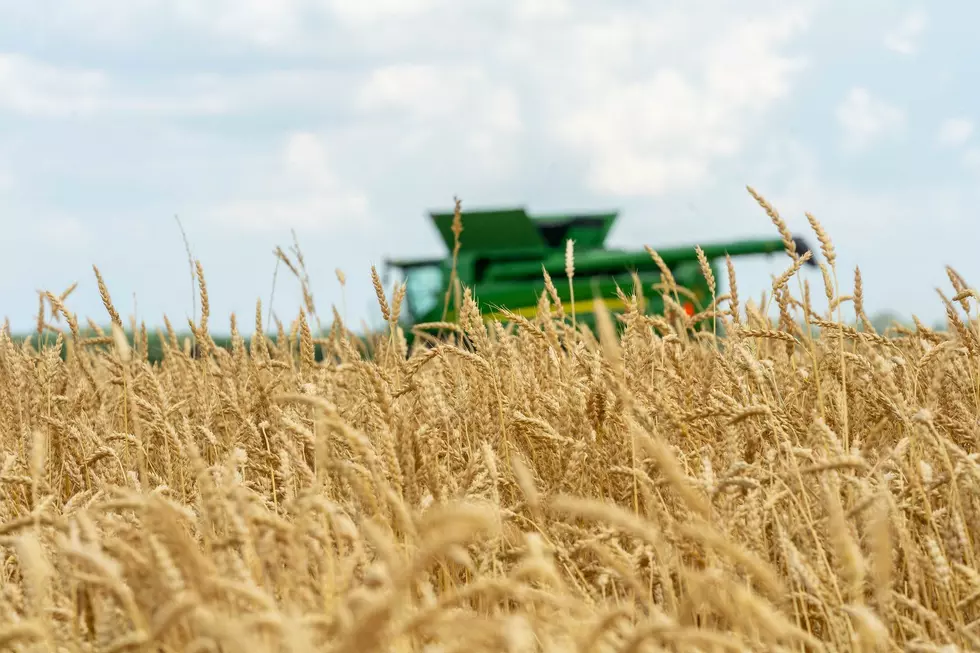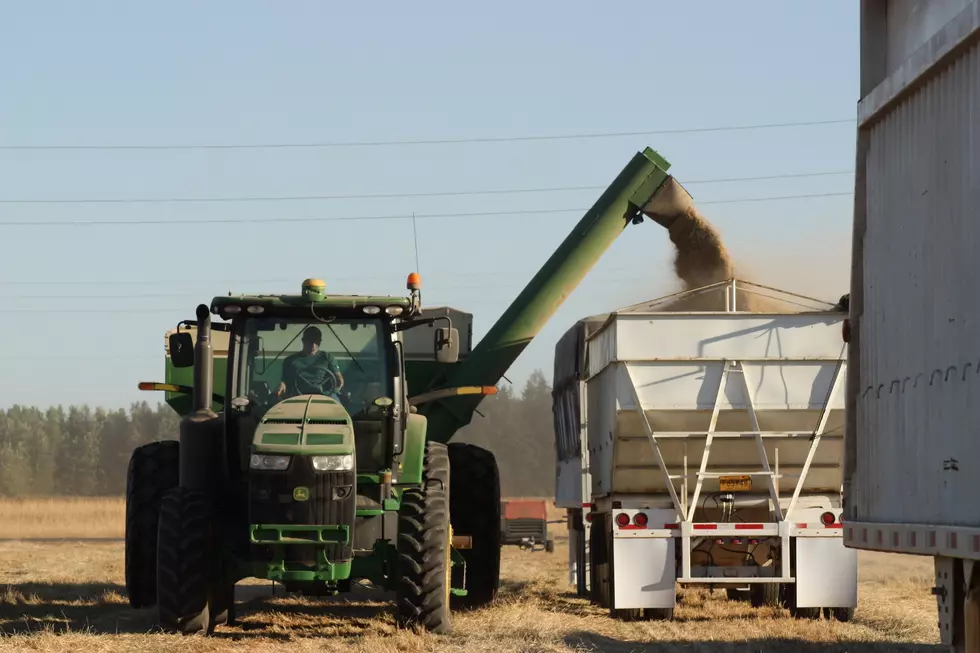
Spring wheat production is down 4.5% from last year nationwide, but Northwest farmers are keeping pace. Washington has 53% of its crop rated good to excellent, and Idaho is slightly ahead at 62%.
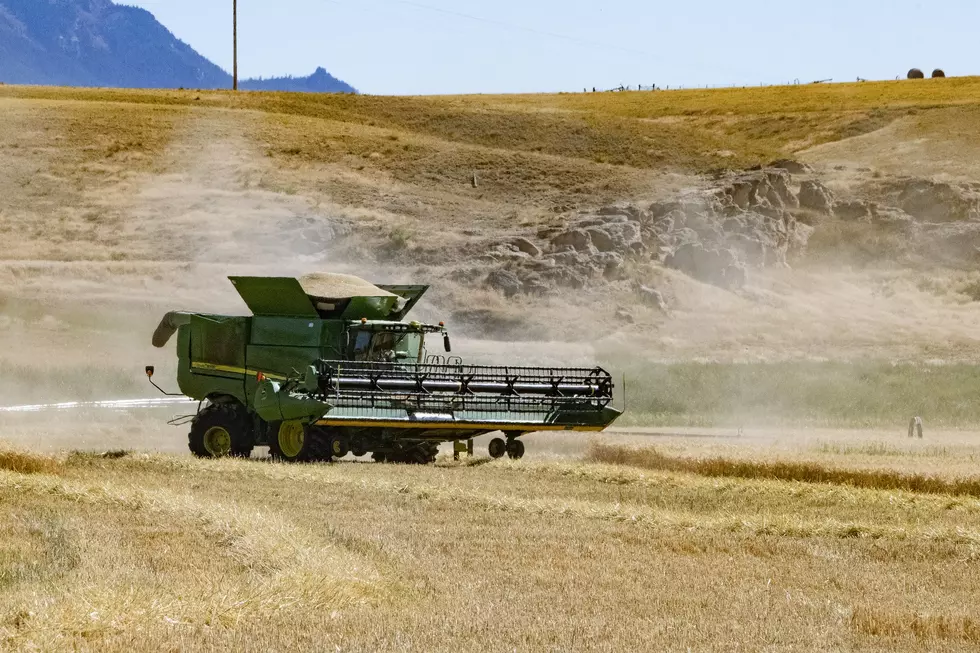
Brad Rippey with the USDA called the wildfire smoke an atypical challenge for the region, and growers across Idaho, Washington, and Oregon felt it during the final push of winter wheat harvest this season.
Kansas wheat fields are coming up short in a big way this year. Drought and freeze damage have pushed the expected harvest down to 196 million bushels, nearly half of what farmers brought in just last year.
Global wheat stocks just got tighter according to the latest WASDE Report, and with El Niño bearing down on major fall harvest countries, prices could shift significantly by year's end.
Across the Pacific Northwest, spring wheat is nearly all headed out, and most of it is rated good to excellent — but hot temperatures moving through the region have USDA forecasters keeping a close eye on quality.
The USDA quietly shaved 14 million bushels off its U.S. wheat outlook this month, while farmers across the Black Sea region are looking at some of their best harvests ever.
The winter wheat outlook isn’t good, with 46% rated poor nationally; however, Idaho farmers celebrate a bright spot with 79% of their crop rated good to excellent.
Drought conditions are hitting hard red winter wheat production, with this year's yield forecasted at a record low, reflecting the toughest challenges faced by farmers in decades.
When it comes to the quality of this year’s winter wheat crop, only 27% of the crop is considered good to excellent. The Northwest is reporting much higher numbers.