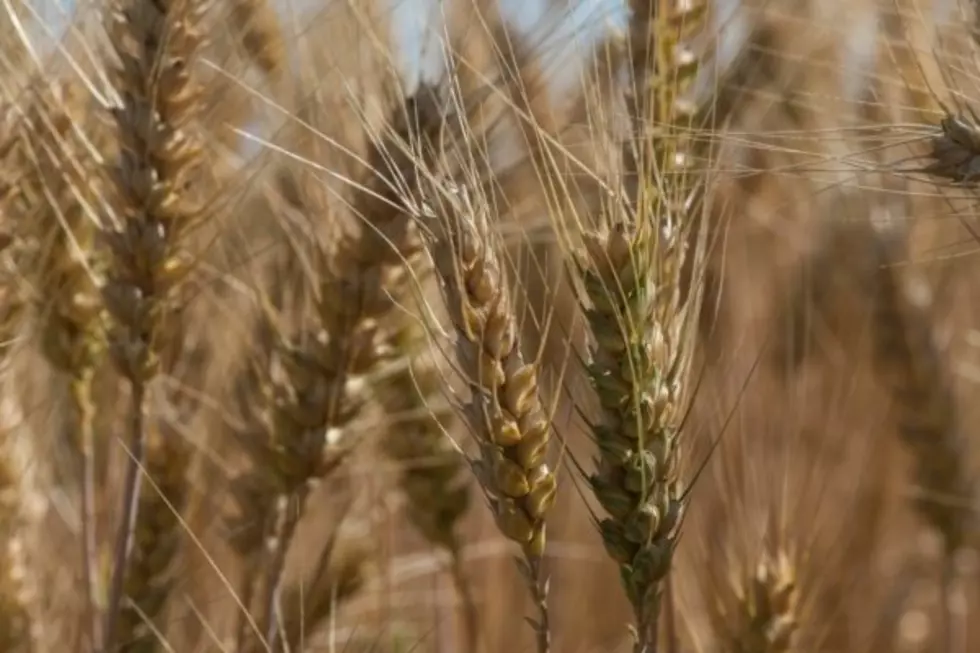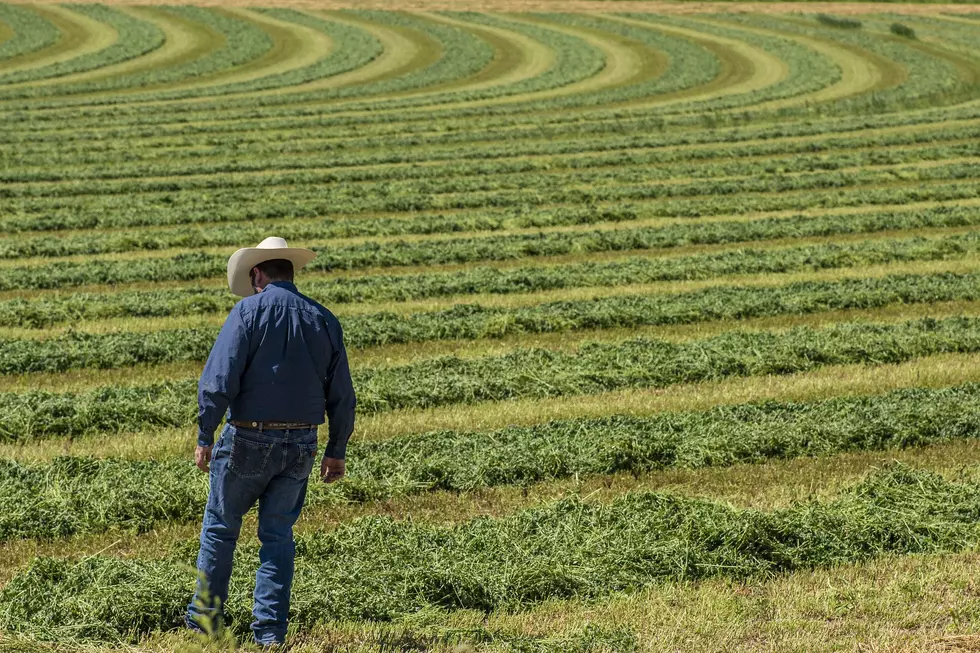
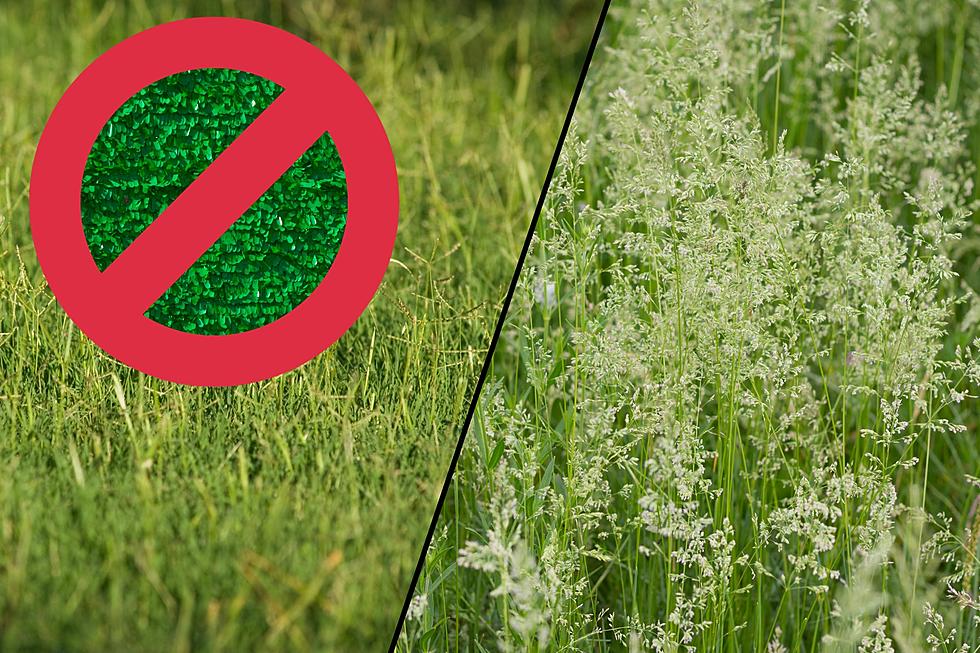
According to NASS, total acreage of Oregon grown ryegrass and tall fescue is forecasted at 289,000 acres for harvest in 2025, down about 5,000 acres from 2024’s numbers. Growers said 59% of this year’s ryegrass acres, and 68% of all tall fescue acres, are under contract. Total irrigated acr...
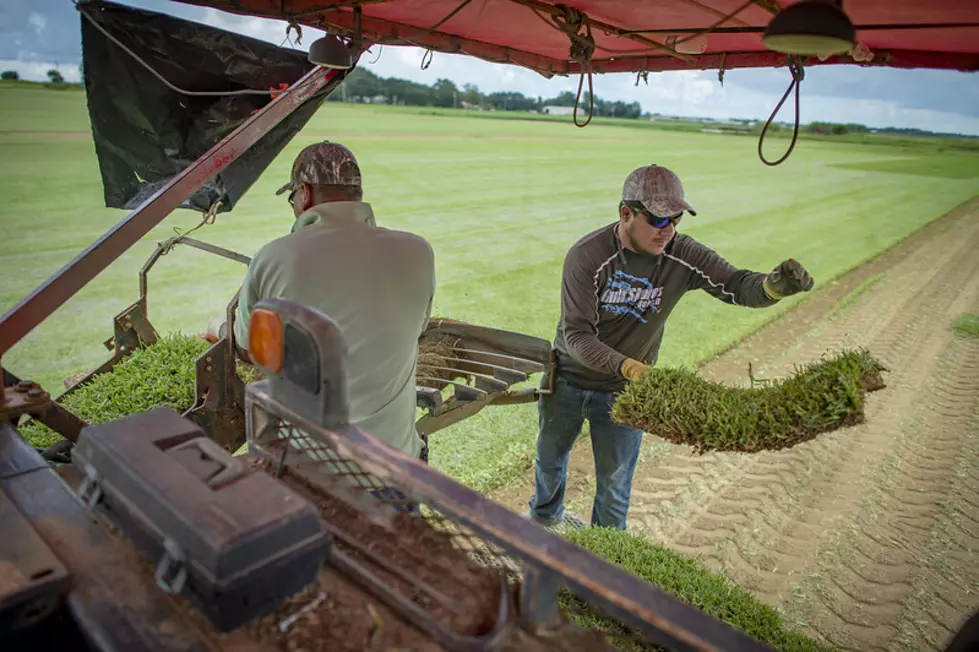
Washington State University's grass breeding program has begun a two-year study this fall in order to "identify and breed hardy blends of grasses that can stand up to heavy, constant wear."
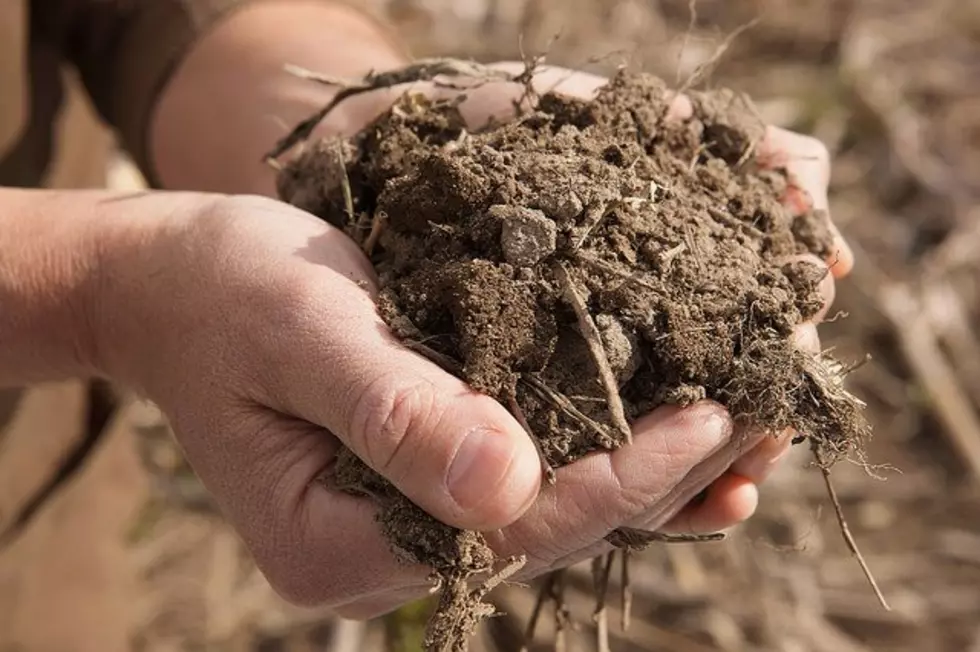
There’s a celebration of all things dirt, this weekend, in central Oregon's Crook County. Sun-Life Farm and Ranch will host their first official “Dirt Day Soilebration” on Saturday, August 13th, through a partnership with NRCS. Grass, Lavender and ...
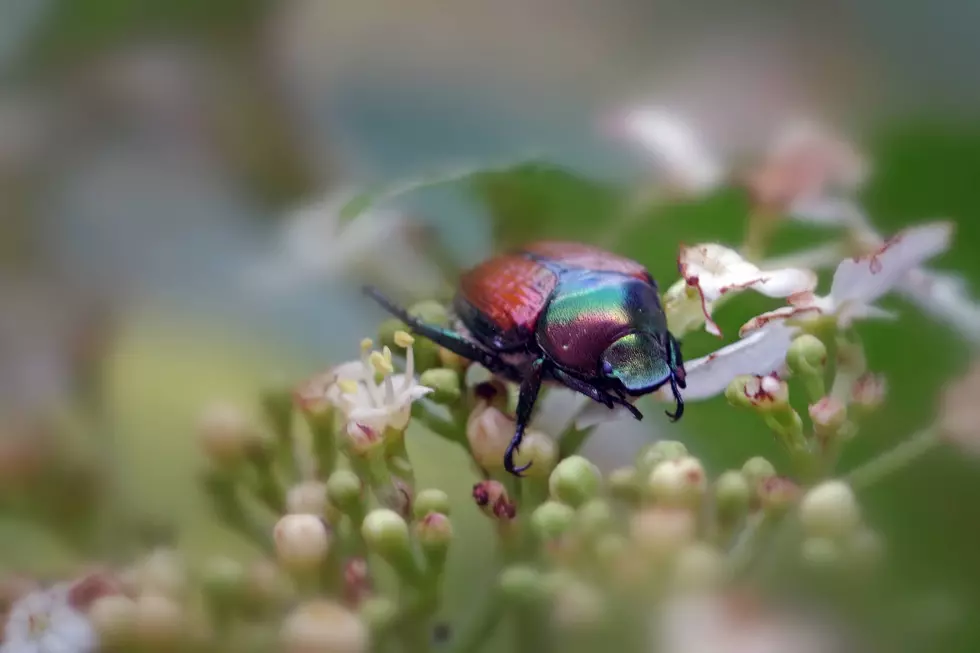
Late last week, Washington State Department of Agriculture entomologists confirmed the first report of Japanese beetle larvae for the year. This is the first report of a larvae or grub confirmed in the beetle infestation area near Grandview, WA. A ...
Farmers continue to plant more cover crops. According to Reuters those include everything from grasses like rye and oats to legumes and radishes. Some of them get converted to biofuels or fed to cattle, but most aren’t harvested because they’re more valuable when they break down in the soil.
Rob My
...
According to NASS, total acreage of Oregon grown Ryegrass and Tall Fescue decreased to 329,000 acres for harvest in 2021, from 336,000 acres harvested in 2020. Growers indicated that 53% of the 2021 ryegrass acres to be harvested are under contract, while 62% of the tall fescue acres are under contract
...
Ag Secretary Sonny Perdue said the USDA will provide additional assistance through the Coronavirus Food Assistance Program. The agency will be expanding eligibility for some agricultural producers and commodities and updating payments to accurately compensate some producers who already applied to the program
...
After a slow start in many pockets across the Northwest, the 2020 hay season has picked up considerable steam. Andrew Eddie, Vice President of the Washington state Hay Growers Association, said cooler temperatures and rainy conditions this spring made for a challenging first cut for several operations, whether grass, Timothy or alfalfa
...