
How Have Smoky Skies Impacted Disease Pressures Across The Columbia Basin?
Because of the number and size of the wildfires burning across the Northwest, agriculture has been impacted in a variety of ways; whether that’s the wheat farmer trying to harvest, livestock socked in by smoke around the clock, to area vegetables. Washington State University’s Dr. Tim Waters said 2026 has been an interesting year weather wise, from the open winter to the very mild spring.
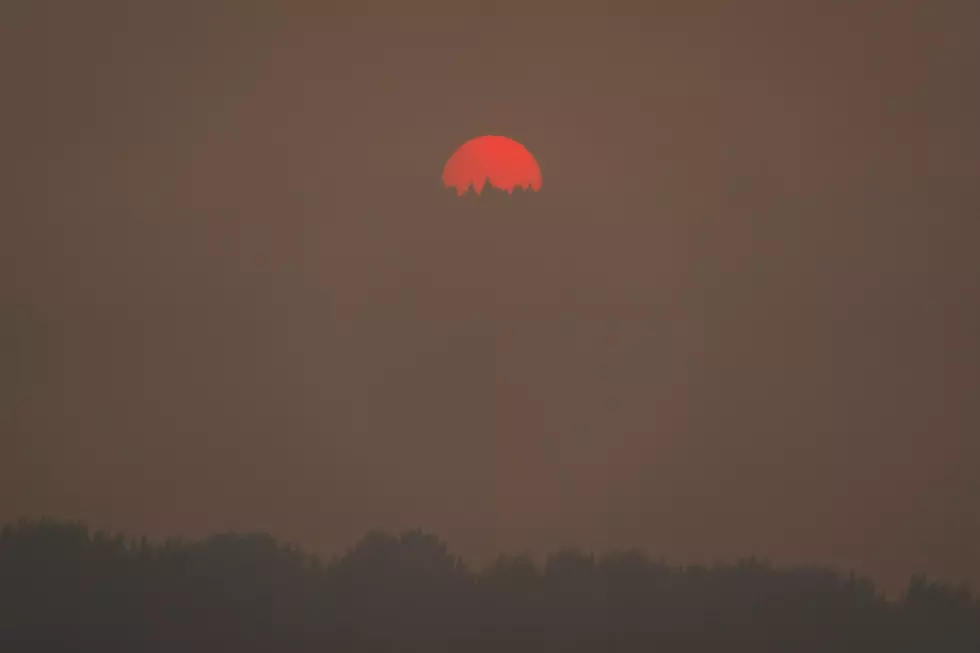
“The crops got off to a really good early start and then the smoke layer set in, and we've really been sitting in smoke for three to five weeks now, I think, depending on where you're at in the Columbia Basin" Waters said. "That smoke has reduced the UV light a little bit to our crops, which is not great. It has reduced temperatures, which is generally a good thing for a lot of our crops do better when they're under 100 degrees Fahrenheit. But we've also seen some increased humidity in some regions.”

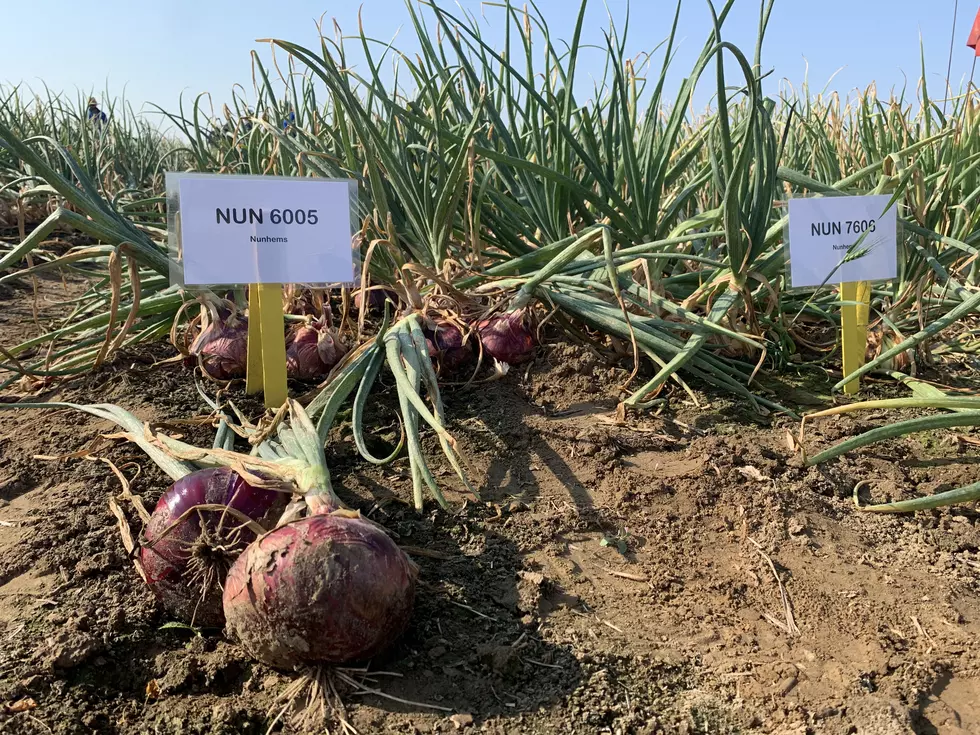
Onion Growers Have Reported Downy Mildew
Waters noted the smoke has been thick enough in some parts of the Columbia Basin that dew has been reported, which is very uncommon for the month of August. And that combination has resulted in increased disease pressure.
“For instance, in our onion crops we’ve got some Downy Mildew, which is common when you get high temperatures and high humidity," Waters added. "We have not seen late blight in potatoes, thank goodness. But anyways, it has increased our disease pressure a little bit. So, every year is different. And I think it's important for us to recognize the differences in the year and kind of adjust our programs accordingly”

Adjust Irrigation To Weather, Air Quality
Waters said until the smoke clears, and we see a more average amount of UV and sunlight, growers should think about reducing the water the use, since evapotranspiration is less noticeable when temperatures are below 100 degrees.
He added it’s important that all growers keep in mind how the environment is changing during the growing season and altering those production practices to fit accordingly.
If you have a story idea for the PNW Ag Network, call (509) 547-9791, or e-mail glenn.vaagen@townsquaremedia.com
More From PNW Ag Network