
A Silent Drain On Your Cattle Herd
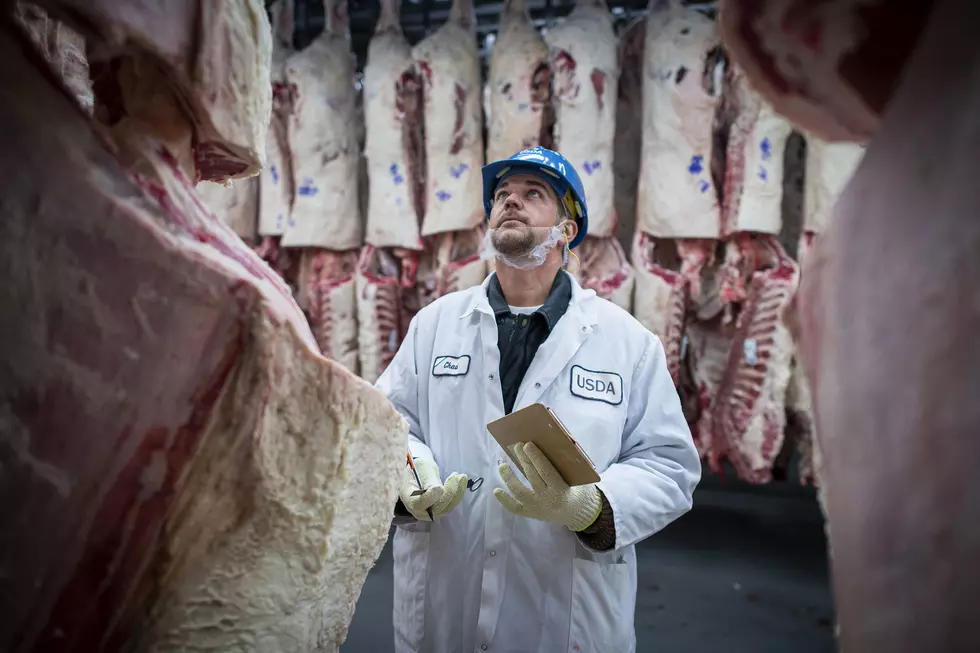
Inside of cattle, there could be a silent thief waiting to drain the productivity from your herd. The culprit: liver flukes. Liver flukes are sometimes thought to only be a problem in wetter climates for cattle grazing here in the Pacific Northwest as well as the Gulf Coast, but they’ve been found in at least 26 states.
Dr. Jody Wade, a professional services veterinarian with Boehringer Ingelheim, said farmers and ranchers are seeing all kinds of effects from liver flukes.
“We’re seeing reduced feed efficiencies. We're seeing decreases in weight gain, decreased pregnancy rates, lower milk production in some of these cows, increase liver condemnations," Wade said. "That's happening more and more often now. So, we feel like we're seeing an increased incidence of liver flukes across the country.”

Wade said there is only one way to positively detect flukes in cattle.
“They actually call it the Fluke signer. It's a diagnostic test that we can submit when we do routine fecal exams. So, if we're looking for nematodes, we can also check the box and ask them to look for flukes while they're there as well," Wade said. "It's interesting where we're seeing it. We're seeing it show up in a number of places where we really haven't seen it before, because in the haven't seen it before. Because in the past, you know, most folks thought it was a gulf coast type issue or a Northwest top issue, where we knew that, because of the weather conditions, that liver flukes are prominent.”
For control of liver flukes, Wade recommended using an injectable dewormer with clorsulon.
“There's only two products out there in the marketplace right now that's really effective against liver flukes. And the unfortunate part is, both products only kill the adult phase, so we don't do anything for the immature stages. But if we can stop the adult phase and keep those guys from putting those eggs back in the packet on pastures so the cattle can pick up again, we can really reduce the number of little flutes that are out on those pastures.”
If liver flukes are suspected in your cattle, work with your veterinarian to create a parasite control plan that works for your region.
If you have a story idea for the PNW Ag Network, call (509) 547-9791, or e-mail glenn.vaagen@townsquaremedia.com
More From PNW Ag Network