NW Growers, Ranchers Encouraged To Reach Out For Assistance
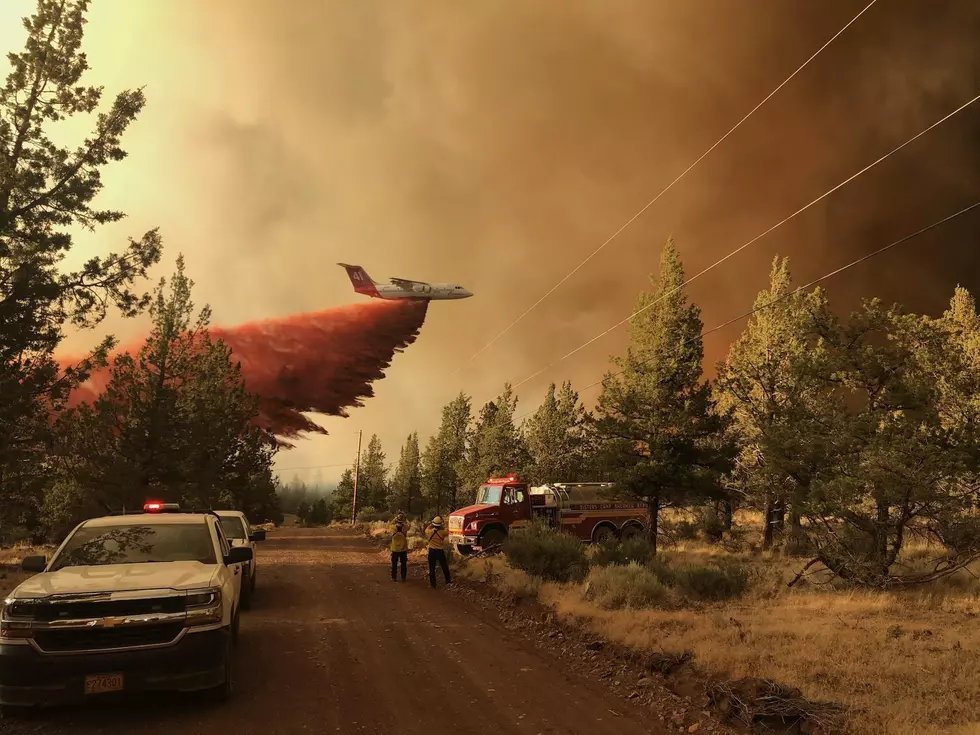
Northwest farmers and ranchers impacted by drought and wildfires can now turn to USDA for disaster assistance. Department of Ag officials are urging producers to contact their local USDA Service Center as soon as it's safe to report crop, livestock and property losses and learn for what programs they may qualify.
“We know current drought and wildfire conditions are adversely impacting crops, land, water supplies and livestock, creating financial and emotional strain for the farmers and ranchers we serve,” said Farm Production and Conservation Under Secretary Richard Fordyce. “USDA has a suite of programs to support farmers and ranchers as they recover from disasters. I encourage impacted producers to contact their local USDA Service Center to report losses and learn more about program options available to assist in their recovery from crop, land, infrastructure, and livestock losses and damages.”
Available assistance includes payments for grazing losses, livestock deaths as well as emergency feed and water costs, along with low-interest emergency loans, conservation assistance and help replacing damaged orchards and vineyards. Deadlines vary by program, but many livestock disaster applications for 2026 losses are due by March 1st.
Various Disaster Assistance Programs Offered
Livestock producers who suffered grazing losses for covered livestock due to drought on privately owned or cash leased land, or fire on federally managed land, may be eligible for the 2026 Livestock Forage Disaster Program (LFP). To participate in LFP, producers must own, cash or share lease, or contract grow eligible livestock; provide pasture or grazing land to eligible livestock on the beginning date of the qualifying drought; and certify that they suffered a grazing loss due to drought. USDA’s Farm Service Agency (FSA) maintains a list of counties eligible for LFP and makes updates each Thursday.
Producers who have a risk in the pasture or hay crop must have an acreage report for all grazing land for which a grazing loss is claimed. LFP applicants who lease acres must be able to support their application with either a written lease or an Annual Lease Certification (form CCC-855).
Producers must submit an LFP application for payment and supporting documentation no later than March 1, 2027, for 2026 losses.

Producers who experience livestock deaths in excess of normal mortality, sell injured livestock at a reduced price or suffer livestock losses due to qualifying extreme heat may be eligible for the Livestock Indemnity Program (LIP). To participate in LIP, producers must provide acceptable documentation of death losses or evidence of reduced sales resulting from an eligible adverse event and submit a notice of loss to FSA no later than March 1, 2027, for 2026 calendar year losses.
Meanwhile, the Emergency Assistance for Livestock, Honeybees, and Farm-Raised Fish Program (ELAP) provides eligible producers with compensation for feed and grazing losses. ELAP can also help offset the above normal economic impacts of transporting livestock to feed or hauling feed and water to sustain livestock through these disaster conditions. ELAP also assists commercial apiarists who experience a loss of feed due to drought conditions that may need to purchase short-term feed to sustain the honeybees until additional natural feedstock becomes available. For ELAP, producers are required to complete a notice of loss and submit an application for payment to their local FSA office no later than March 1, 2027, for 2026 calendar year losses.
Gathering Important Documents Is A Vital Step
Additionally, USDA noted, eligible orchardists and nursery tree growers may be eligible for cost-share assistance through the Tree Assistance Program (TAP) to replant or rehabilitate eligible trees, bushes or vines. TAP complements the Noninsured Crop Disaster Assistance Program (NAP) or crop insurance coverage, which covers the crop but not the plants or trees in all cases. For TAP, a program application must be filed within 90 days of the disaster event or the date when the loss of the trees, bushes or vines is apparent.
“Once producers are safely able to determine and report their losses or damages, our local Farm Service Agency staff can help producers with program applications related to drought and wildfire recovery,” said Patrick Bell, State Executive Director for FSA in Washington. “As you evaluate losses on your operation, take time to gather important documents you may need to apply for assistance including farm records, herd inventory, receipts and pictures of damages or losses. FSA staff will do their best to work with the loss documentation records you have available.”

FSA also offers a variety of direct and guaranteed farm loans, including operating and emergency farm loans, to producers unable to secure commercial financing. Producers in counties with a primary or contiguous disaster designation may be eligible for low interest emergency loans to help them recover from production and physical losses. Loans can help producers replace essential property, purchase inputs like livestock, equipment, feed and seed, cover family living expenses or refinance farm-related debts and other needs.
Communication Is Key, When Safe To Do So
Producers with crop insurance or Noninsured Crop Disaster Assistance coverage should also report damage to their insurance agent or local FSA office as soon as possible.
If you have a story idea for the PNW Ag Network, call (509) 547-9791, or e-mail glenn.vaagen@townsquaremedia.com
More From PNW Ag Network