How Are Heavier Cattle Weights Impacting Marketing?
Cattle are spending more days than usual on feed, resulting in heavier weights at marketing. Oklahoma State University marketing specialist Dr. Derrell Peel said those heavier weights are having an impact.
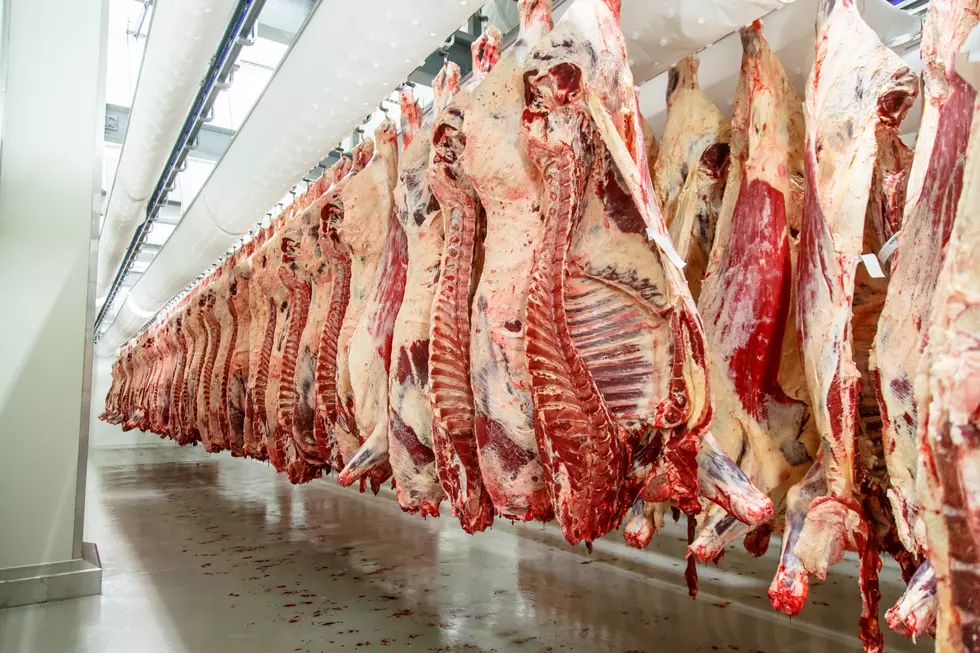
“Obviously, bigger carcasses also produce more trim in general, and so we are producing a lot of those 50% fatty trimmings, if you will, that we need lean beef to mix with," Peel said. "That's what's driving a lot of the import demand. At the same time, I would also point out that when we talk about days on feed and the fact that these carcasses are getting bigger, we are getting some additional pounds of meat, but we're getting a lot more external fat on these cattle. The yield grade four and five percentage right now is at a record level in this country, with over 25% of all cattle grading yield grade four and five. We're producing a lot of that, and that's not meat for consumers, but it is a product, and in fact, because of the value of tallow, and so on, the packers have had no incentive to sort of rein in feedlots, if you will, relative to these carcass weights up to this point.”

How Much Bigger Can Cows Get?
Larger weights, he noted, do add more stress on the animals.
“I think we are potentially reaching some physiological limits on these cattle," Peel noted. "We are pushing them to very heavy weights. We’re, you know, physically and structurally challenging these animals just to carry that weight at the end, and we are starting to see some additional health problems that can crop up. Hot weather can really contribute to that. I do think that'll be something that the industry will have to watch carefully as we get into more and more of this hot weather.”

Heifer Retention
Peel said the numbers in the recent Cattle on Feed Report shouldn’t bring many changes.
“Again, you have to read these cattle on feed reports a little more carefully and read the flow of cattle through them, as opposed to just the stock number we get with that on-feed inventory at the first of each month," Peel added. "So, in terms of the flow of cattle, we are producing fewer cattle. Numbers continue to tighten. We don't have a lot of indication yet that we're retaining very many, if any, heifers at this point. Obviously, we've had lots of concerns about drought conditions that might preempt any ideas we did have earlier in the spring to try to retain some heifers. So, I don't think it's changed the story at all. I think the basic path here is we continue to see tight numbers, and we continue to see very strong prices with a lot of volatility in some cases.”
If you have a story idea for the PNW Ag Network, call (509) 547-9791, or e-mail glenn.vaagen@townsquaremedia.com
More From PNW Ag Network