Veterinary Debt Load Must Be Addressed, WSU Dean Stresses
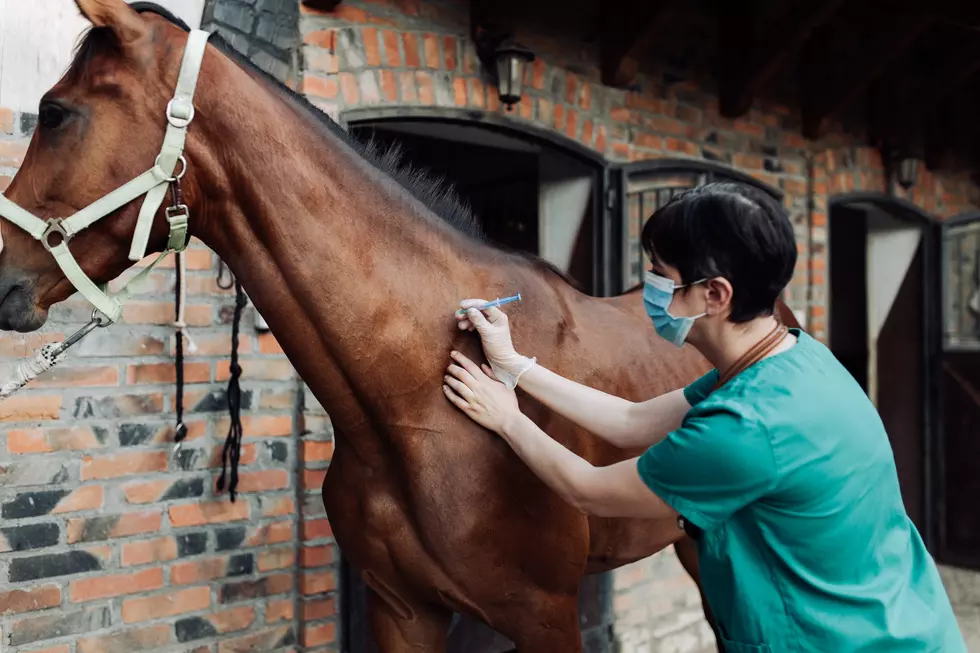
Finding enough large animal veterinarians is becoming more and more of a challenge across farm country, regardless of state. Washington State University College of Veterinary Medicine Dean Dr. Dori Borjesson says one of the biggest deterrents for the next generation of vets is student debt. She noted that many states are studying the issue, and she says data suggests that it's not loan repayment that’s the silver bullet, but rather not having these students get into debt in the first place.
“So states like Kansas have done this by paying those students," Borgesson said. "They identify them at enrollment. They do cohorts of four, six, to eight students. They pay for their tuition. There is a return to work, so the tuition gets returned. In fact, the state investment that time was only like $500,000 because once that cohort graduates, they start paying back into it again because they have to return to that place. So, those types of scholarship programs allow students to have choice. If you get in debt $125,000 or $150,000, and then you tell students that they need to take a job that makes $50,000 less, even if they want to do it, they may at that point now be married or have a child or whatever."

A Lack Of Large Animal Vets Will Have A Ripple Effect
Borjesson added the industry needs to start thinking about not letting students get into debt and investing in them beforehand.
Borjesson said many people don’t realize how important these large animal veterinarians are when it comes food safety, food security and animal supplies. She added the average farm is already facing a lot of fluctuation and change, and not having veterinary care puts extra pressure on an already fragile system.
“One of the other things that we see is that farmers and ranchers then start asking for requests from the legislature for things like more access to drugs, more access to telehealth, more access to things that may not be as effective as having a one-on-one relationship locally with your veterinarian," Borjesson said. "And so things like we have to be stewards of our antibiotics, and the less that people have access to those, the more kind of alternative ideas, you know, float up.”

Borjesson added the issue of veterinary shortages is too important to WSU and the farming community to not have difficult conversation now, and try to address the problem for the future.
What Other Factors Are Impacting Vet Numbers?
If you have a story idea for the PNW Ag Network, call (509) 547-9791, or e-mail glenn.vaagen@townsquaremedia.com
More From PNW Ag Network