
Snow Season Disappointing Up And Down The West Coast
It’s not just the Northwest that’s struggling with underwhelming snowpacks, it’s an issue across the entire western U.S.
“There are several factors contributing to the fact that we have had a rather abysmal western winter wet season," noted USDA meteorologist Brad Rippey.
Wednesday, April 1st, was the typical date when the snow season comes to an end, and statistically when the region sees the apex of the snowpack. However, that did not happen this year, with many basins reporting substantial melt off starting two to three weeks ago.
Rippey said there were several reasons behind the winter that wasn't.
“Precipitation across the West since October has been very erratic,” he said.
Rippey said the snow season started on the right foot, with healthy snow producing storms in late 2025, and then everything changed with the New Year.
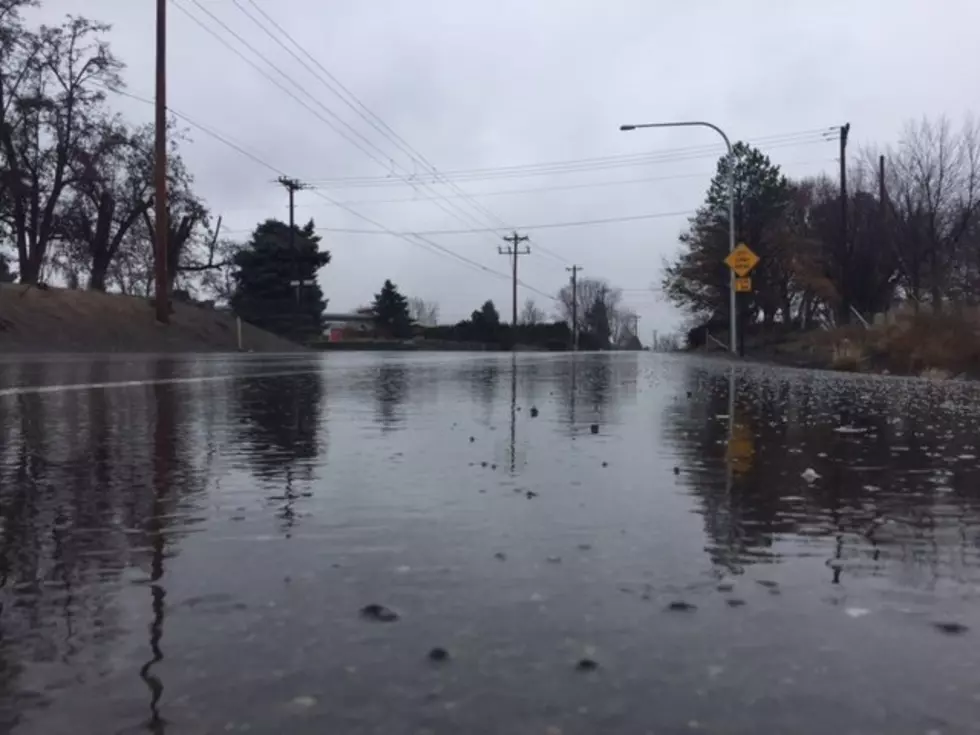
“We had virtually no precipitation across the entire western United States for more than a month, from early January all the way to mid-February," Rippey said. "Precipitation came back for about a week in mid-February, and then it turned quiet again. Many of those storms were pretty effective at producing precipitation, but they were not accompanied by cold weather, and so a higher than normal percentage of that western precipitation during the heart of the winter fell in the form of rain, even at some of the middle and higher elevation sites rather than snow. And that left us short on snow even before that long dry spell began in January.”

Rippey added making a bad situation worse, any gains reported from the the February storms the west saw were lost thanks to record, or near record heat for several weeks in March.
If you have a story idea for the PNW Ag Network, call (509) 547-1618, or e-mail glenn.vaagen@townsquaremedia.com
More From PNW Ag Network