
U of I Unveils New Pollinator Garden
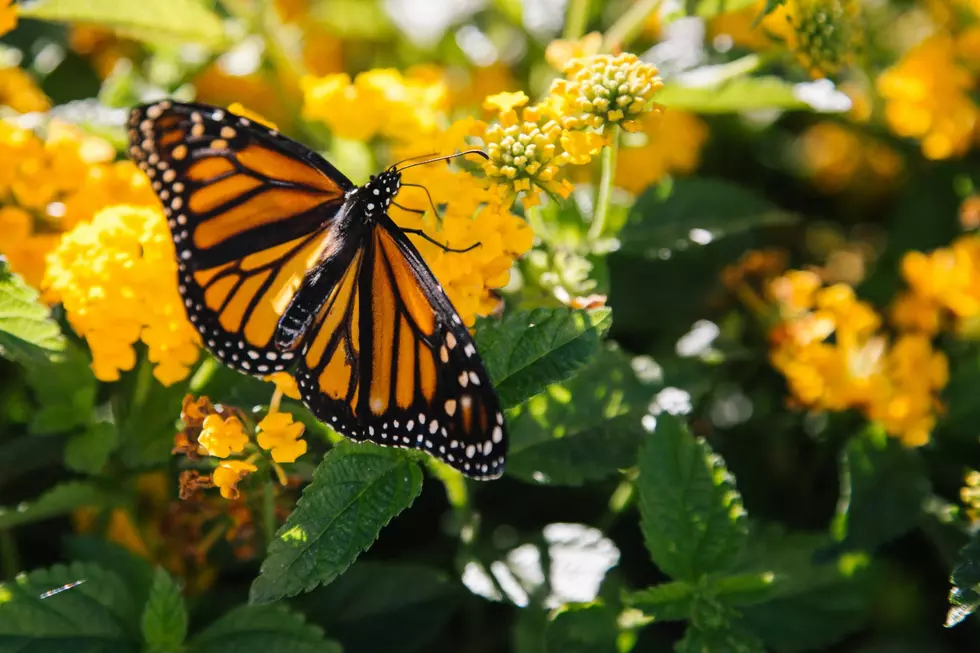
In an effort to attract bumble bees, humming birds and other pollinators, University of Idaho Extension recently opened its new pollinator garden. The 4,500-square-foot garden at the U of I’s Parma Center hosts a variety of flowering plants to accommodate pollinators year-round.
The project kicked off in April, thanks to a $10,000 UI Extension Innovative Projects grant and the installation of a drip irrigation system thanks to the Idaho Master Gardeners from Canyon County. The plot was blooming by late June of this year.
U of I officials say the garden contains more than 50 species of flowering plants, about 80% of which are native. Some of the plants were donated by Steve Love, a U of I Emeritus horticulture professor. Mike Thornton, also a UI emeritus professor, donated funds to get the garden established. With that, the team was able to cover the construction of a shed for storing garden tools.
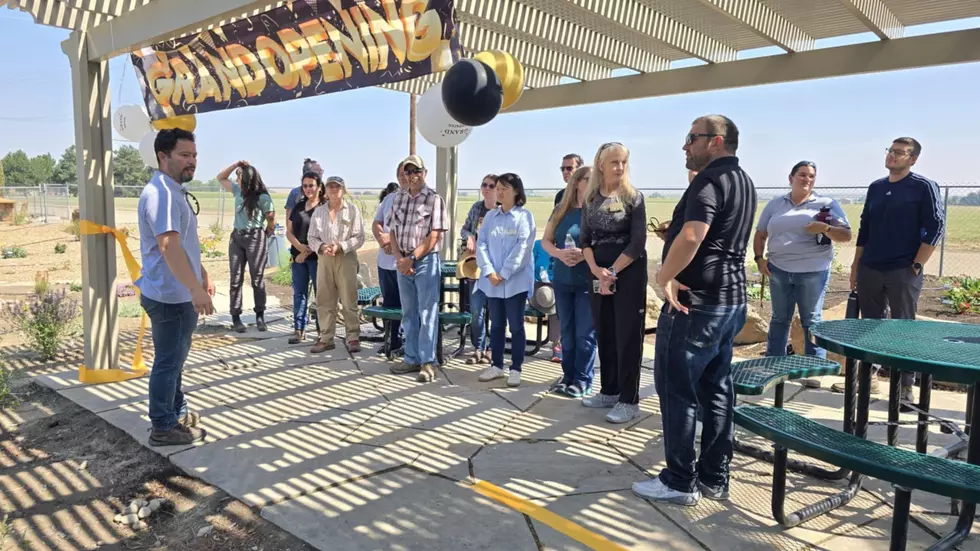
The researchers hosted a pollinator garden ribbon-cutting celebration and lunch, attended by about 50 people, on August 28th. The goal for the garden is to flower in constant succession throughout the growing season. The garden includes signs identifying each plant species, and the researchers plan to add signs identifying native pollinator species.
Falcon-Brindis, a UI Research and Extension Specialist in entomology, and his collaborator on the project, UI Extension Educator Brad Stokes, Canyon County, believe their new pollinator garden will serve several important functions, including supporting native Idaho pollinator species, raising awareness about the important role pollinators play in agriculture, demonstrating to the public which pollinators benefit from specific flowering plants and testing which plants thrive in southwest Idaho. Local landowners and farmers have expressed increasing interest in learning how to attract pollinators to their yard, and the Extension researchers anticipate observing the garden will help them offer better guidance.
“It is going to be an important bridge between U of I and the public, and I think this will be a great opportunity to increase our exposure as a center,” Falcon-Brindis said. “It’s also educating people on pollinator behavior, pollinator-plant interactions, irrigation options, mulching options and showing ideal habitats for pollinators.”
Essential for food supply
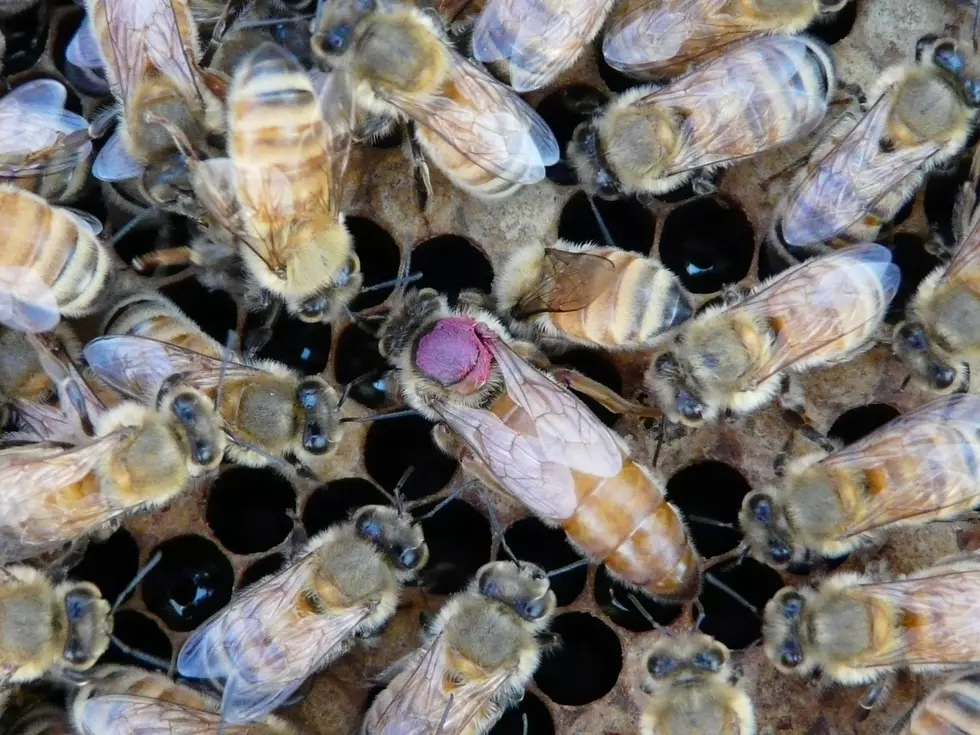
Pollinators are essential to agriculture. In Canyon County, farmers rely on pollinators to produce about 60 different types of seed crops, including alfalfa, carrot, onion, bean and even echinacea.
Pollinators also allow the production of fruit such as apples, cherries, plums and peaches in regional orchards. Moreover, many homeowners across Idaho require pollinators each year, especially those growing small fruits and berries in their backyards. A few area bean farmers have told the researchers they would like to see more research on adding pollinator strips and will pay close attention to the pollinator garden in the coming years.
“Pollinators and bees are responsible for one in every three bites of food we eat,” Stokes said. “I think it’s so important to relate this pollinator garden to agriculture and horticulture.”
Research in the garden
Falcon-Brindis plans to use the pollinator garden to support a few informal research projects. He intends to test designs for bee hotels, which accommodate cavity-nesting native bees, and will host workshops at the garden to teach the public how to build them.

He’s also experimented with different types of mulch — spreading compost in one area and tree bark in another, while leaving bare soil in a third section. Compost seems to support the most vigorous plant growth, while both compost and tree bark are effective at controlling weeds. He, nonetheless, advises leaving a small area of each pollinator garden uncovered, as he’s seen evidence of native bees and wasps burrowing into this bare soil.
Idaho is home to more than 700 species of native bees, and most of their populations are declining.
If you have a story idea for the PNW Ag Network, call (509) 547-1618, or e-mail glenn.vaagen@townsquaremedia.com
More From PNW Ag Network