
Growing The Beef Herd Will Lead To Tighter Supplies
It’s not a tale of two cities, but a tale of two sectors of the livestock industry.
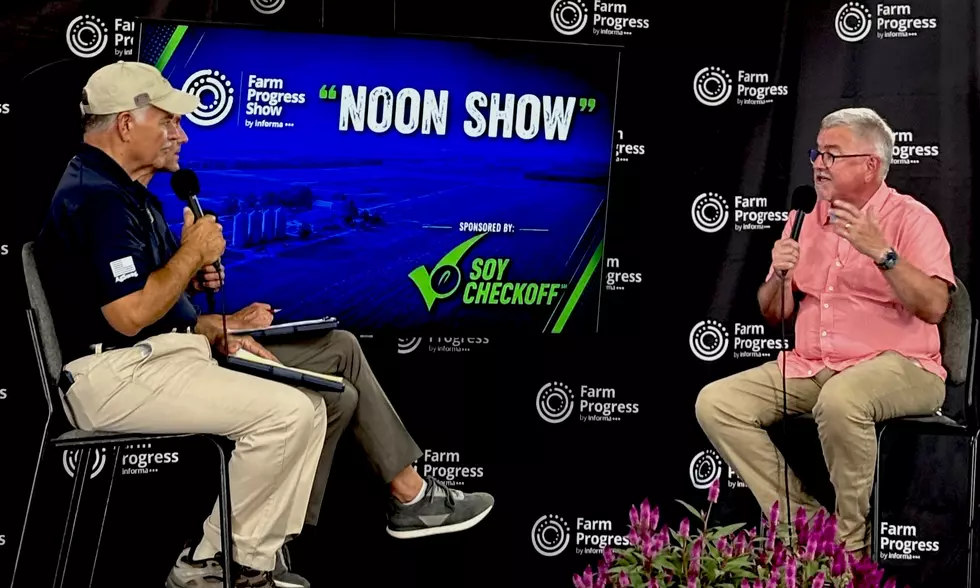
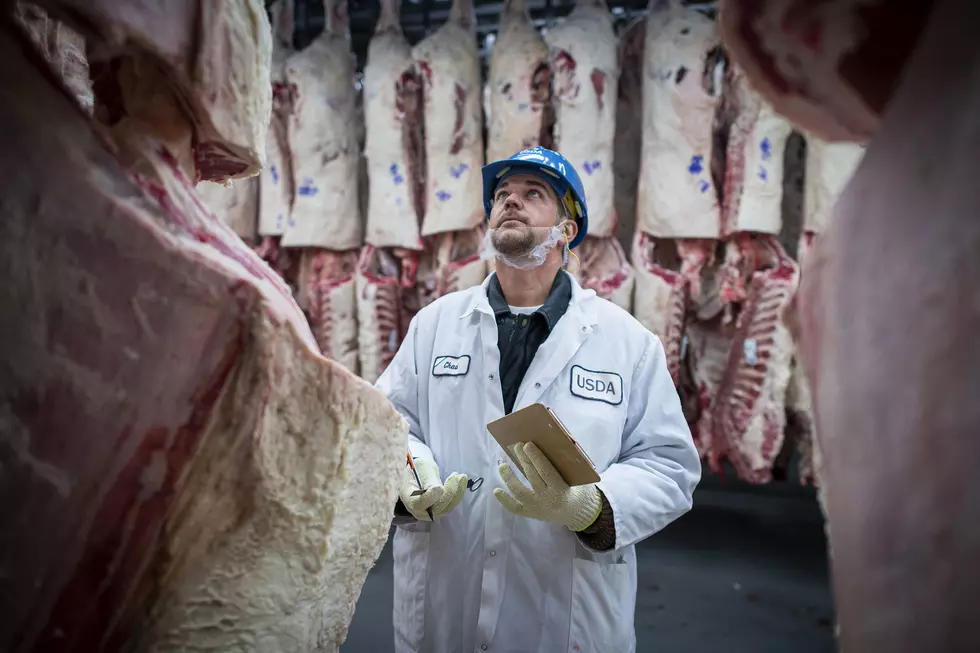
For the ranchers and those selling cattle, prices have been high for some time, leading to good returns and the distinction of being one of the few bright spots in today’s Ag economy. But on the other side of that coin, you have the packers, which the University of Idaho’s Phil Bass said are struggling.
Bass noted packers are losing in some cases $200 per head for each cow their process.
“Things have changed," Bass pointed out. "Things are very different. And this is just part of the cattle cycle. So, the packers are definitely trying to figure out how do they survive, stay in business until things kind of mellow out as far as costs of doing business are concerned. And so, guys, we got to keep that in mind because if the packers aren't there, we don't have a place to send cattle.”
Bass said it’s very important to maintain balance not only now, but to ensure the long-term health of the livestock industry.
The big question remains, when will the American beef herd expand? Bass said he's cautiously optimistic that the potential of growing the national herd exists.
“With that being said, we have to realize that to do that, we have to retain more of the heifers that are currently going to slaughter," Bass said. "That means there's going to be even fewer animals going to slaughter, right? So, for the rebuilding years, it's going to be even tighter products going out. And so for those who maybe are buying beef product, you need to realize that even though the prices are pretty high right now, wholesale market, it's probably going to get you a little bit higher while we rebuild that herd.”
If you have a story idea for the PNW Ag Network, call (509) 547-1618, or e-mail glenn.vaagen@townsquaremedia.com
More From PNW Ag Network