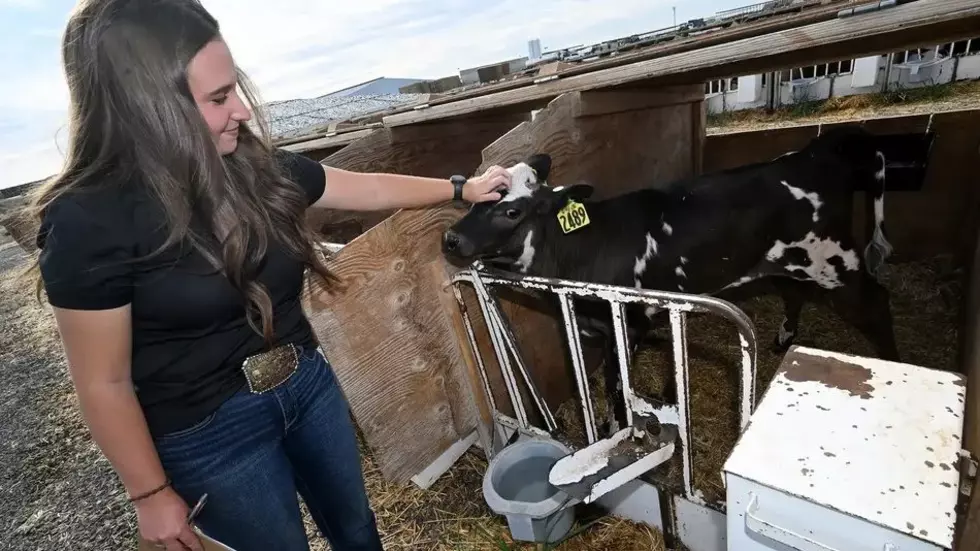
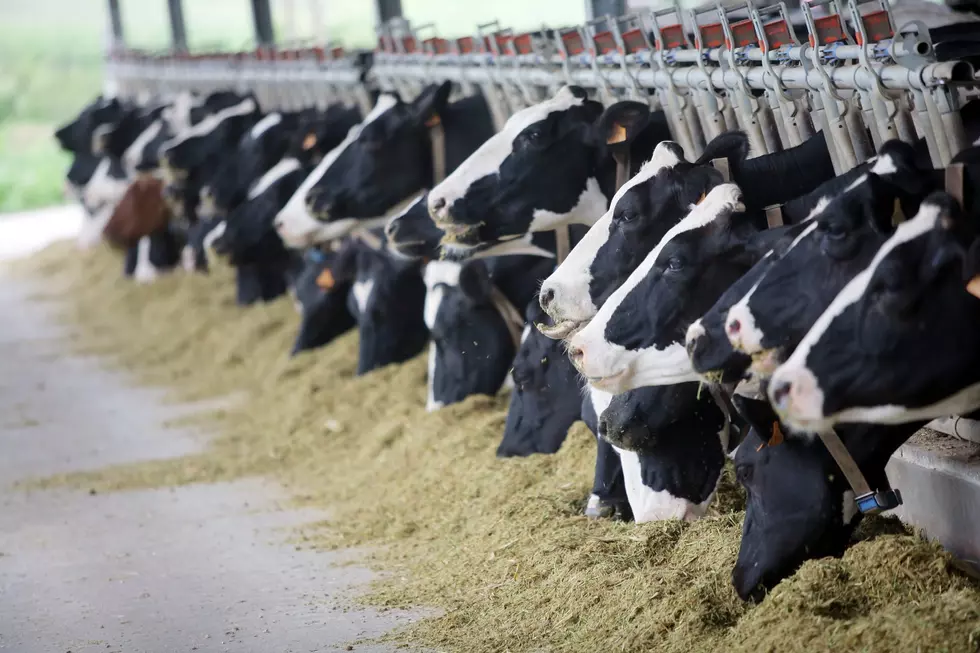
Young heifers on dairy farms are getting hit hard by respiratory disease, and it's costing producers money and milk production later on. Vets say the right vaccine paired with clean barns and fresh air is key.
Dairy farmers are rethinking how they fuel their high-producing cows, and chromium is emerging as a key player in keeping energy metabolism running smoothly.
U.S. milk production keeps climbing despite trade headwinds. Farmers are adding nearly 200,000 cows annually while watching export numbers slip and feed costs climb.
The USDA is forecasting more milk and lower dairy prices heading into 2026 and 2027, with a growing U.S. dairy herd driving production up by about 1.5 billion pounds year over year.
On Tuesday, we told you the state of Washington achieved Stage Four status in the USDA’s National Milk Testing Strategy program. The designation means the state’s dairy herd is free of Highly Pathogenic Avian Influenza.
Markus Rolli...
Last week, the Washington state Department of Agriculture announced the state had reached Stage Four status in the National Milk Testing Strategy (NMTS) program. That status means no cases of bird flu or Highly Pathogenic Avian Influenza (HPAI) have been confirmed in the state’s dairy cattle or milk supply. The NMTS program, ...
Dairy producers from across the nation celebrated “fairer” milk prices for farmers during the National Milk Producers Federation Board of Directors meeting, which concluded this week. They also pledged to work together to meet significant challenges on labor, trade, and other issues. Dairy farmers heard...
U.S. dairy farms vary widely in size, from fewer than 50 dairy cows to having 2,000 or more. While many factors can influence a dairy farm’s production cost per unit of milk, such as technology use, management, and input prices paid, farm size can also affect costs.
The Ec...