
USDA Releases New Dietary Guidelines for Americans
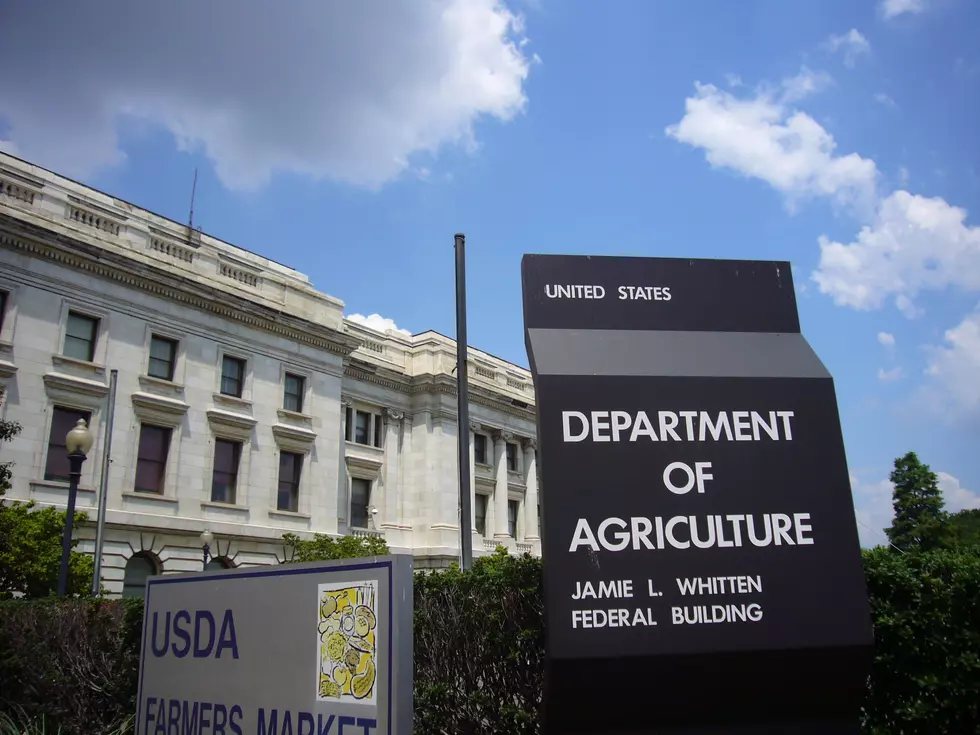
The Department of Health and Human Services and the USDA released the Dietary Guidelines for Americans, 2025-2030, Wednesday, marking what the agencies call a significant reset of federal nutrition policy. The agencies said the new Guidelines deliver "a clear, common-sense message" to the American people: eat real food.
The Guidelines emphasize simple, flexible guidance rooted in modern nutritional science, including prioritizing protein at every meal. They also recommend Americans consume full-fat dairy with no added sugars, eat vegetables and fruits throughout the day, focusing on whole forms, and incorporate healthy fats from whole foods like meats, seafood, eggs, nuts, seeds, olives, and avocados. They also recommend focusing on whole grains, sharply reducing refined carbohydrates, and limiting highly-processed foods.

“These Guidelines return us to the basics,” said HHS Secretary Robert Kennedy, Jr. “American households must prioritize whole, nutrient-dense foods – protein, dairy, vegetables, fruits, healthy fats, and whole grains - and dramatically reduce highly-processed foods.”
Click Here to read the updated Guidelines.
Industry Happy With The Changes
“As a mom, I understand the importance of eating nutritious wholesome protein and as a rancher, I see the hard work that goes into providing the best possible food for our communities. The updated and simplified Dietary Guidelines will help more families like mine learn the facts about beef’s nutritional value and make the best decisions when they’re shopping for a nutrient-rich, whole, and delicious protein,” said Kim Brackett, an Idaho rancher and National Cattlemen Beef Association vice president. “Beef provides high amounts of protein plus nine other essential nutrients like iron and B vitamins, and gold-standard clinical studies have consistently shown that it is easy to incorporate beef into a balanced, heart-healthy diet. We appreciate Secretary Rollins and Secretary Kennedy underlining the role of beef as an important part of a healthy diet.”
“The National Potato Council's initial review of the new dietary guidelines finds them encouraging," the organization said Wednesday. "It is positive to see the new consumer graphic feature a whole, fresh potato front and center, identifying it as a nutrient-rich vegetable Americans should eat as part of a healthy diet. We welcome this recognition.
“We are currently analyzing how specific references to processed potato products integrate with the broader guidance in support of potato consumption. We continue to evaluate how these elements align.
“Overall, this marks a significant shift from the challenges the industry faced 10 to 15 years ago regarding federal nutrition policy, when, during the Obama Administration, there was an attempt to remove potatoes in any form from school meal programs," The NPC continued. "To see the dietary guidelines now celebrate America's favorite vegetable represents amazing progress.”
“It’s encouraging to see the Dietary Guidelines put whole, minimally processed foods back at the center," said Angela Huffman President and Co-founder of Farm Action. "The federal government is the largest purchaser of food in the country, and these guidelines influence what schools, the military, and other institutions buy with public dollars. That purchasing power shapes the markets farmers depend on.
The United States is running an agricultural trade deficit driven in large part by rising imports of fruits and vegetables, even though those are foods we could be growing here at home. Our federal programs are tilted toward commodity crops for feed, fuel, and highly processed products, not the food crops Americans need. Implementation must strengthen markets for farmers growing real food for people, not keep rewarding highly processed products and consolidated supply chains.
The guidelines focus more on connecting food to the dinner plate than on how it is produced, but federal policy should also create more room for practices like organic and regenerative farming that support public health," Huffman added. "Farm Action will be watching closely to see how this translates into procurement decisions and real access for families."
"USApple is pleased to see a simple core message in the 2025–2030 Dietary Guidelines that emphasizes eating fruits and vegetables, in all forms, throughout the day," said Jim Bair, President and CEO of the U.S. Apple Association. "The Guidelines recommend that Americans eat two servings of fruit and three servings of vegetables each day, yet only about one in ten of us is meeting that goal. Apples make it easier — they’re a great source of antioxidants and fiber, and their low glycemic load helps prevent blood sugar spikes. Plus, they’re portable for busy lifestyles. The Dietary Guidelines may evolve, but they continue to reaffirm a simple truth: Americans need to eat more fruits and vegetables. We look forward to seeing that message shared widely."
If you have a story idea for the PNW Ag Network, call (509) 547-1618, or e-mail glenn.vaagen@townsquaremedia.com
More From PNW Ag Network