
Mild Winter Leads To Challenges For Northwest Grain Growers
The winter of 2025-2026 is almost done; the first day of spring is Friday. But looking back, this winter was the season that never really happened.
The snowpack across the Northwest is almost non-existent, and many locations reported mild, if not warm temperatures in November, December, January, February and now in March. And that has resulted in some challenges for area grain growers.

A Mild & Wet Winter For Many Growers
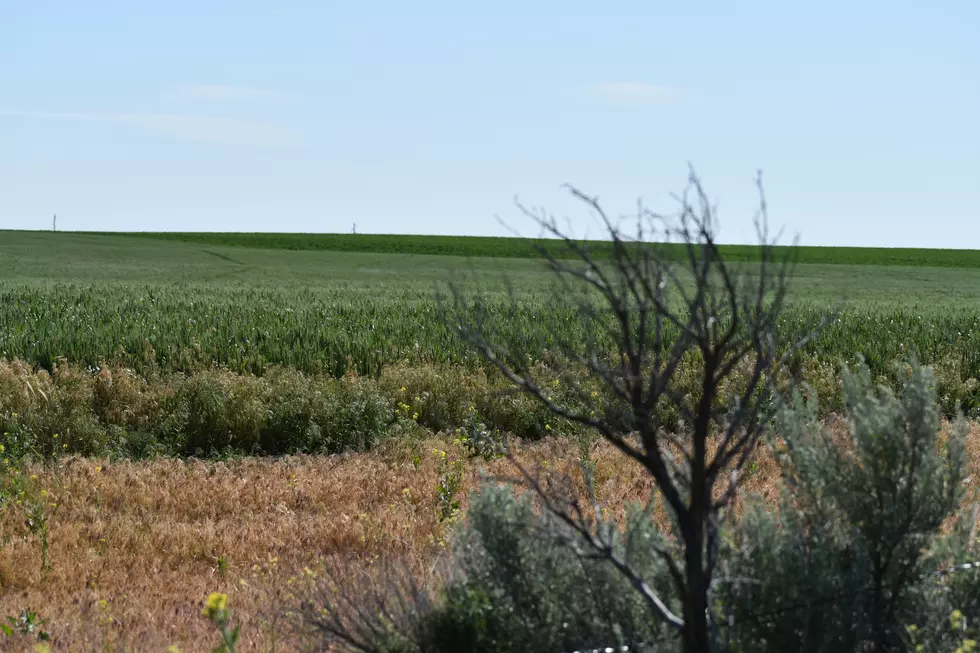
Cat McGregor Director of Research & Technology with the McGregor Company pointed out that winter wheat grows at 40 degrees and above, meaning the region saw several growing degree days this winter. And several fields, especially near the Washington/Idaho border are fairly wet.
“Sometimes those anaerobic and saturated soils actually prune roots and find root hair," McGregor said. "So, you start the year with a smaller, below ground factory that can actually intercept water and nutrients if you think about it that way. So when you talk about kind of that most bang for buck, I don't know how else we can best affect that root health besides some of our starter nutrition, our nutrition, and the seed treatments to really, kind of protect some of that below ground factory that we need to produce our above ground biomass.”
Jamie Slocum noted this mild winter has led to pest problems growers typically don't see this time of year, such as cut worms starting as early as January.
"And they feed at night, so that's why sometimes it's hard to catch them or see them," Slocum said. "But then they'll overwinter in the soil. But when we have these kind of open winters and it's a little bit warmer soil tents and warmer weather, they're coming back up and feeding sooner.”
More Than Red Stuff
Whether its root development, disease or pest pressures, or a host of other issues, Jamie and Cat recommend that growers look at adding seed treatment; noting seed treatment is much more than “just red stuff on the seed”.
Learn more about seed treatments, and how they can benefit your operation by listening to The Real Dirt: Inside PNW Agriculture with The McGregor Company podcast:
If you have a story idea for the PNW Ag Network, call (509) 547-1618, or e-mail glenn.vaagen@townsquaremedia.com
More From PNW Ag Network