Local Researchers Involved In Gene Mapping Research
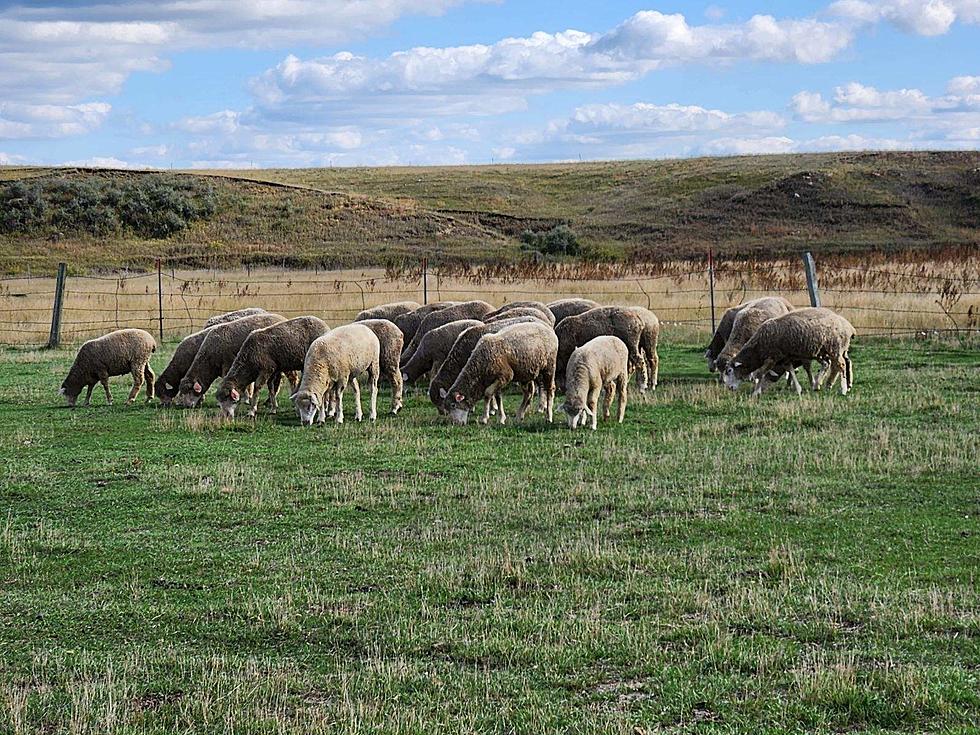
Livestock breeders may soon have new tools to improve animal health and productivity, thanks to a breakthrough study mapping gene regulation in sheep.
Researchers from Washington State University, the University of Idaho, Baylor University, Utah State University and others have created the first detailed map of regulatory elements in the sheep genome, pinpointing where gene “switches,” known as promoters and enhancers, control how traits are expressed. Researchers say this could help breeders select for desirable traits like efficient digestion and muscle growth, while avoiding those linked to disease.
“A gene promotor is similar to turning a light switch on or off, while an enhancer is akin to a dimmer switch,” said study co-author Kimberly Davenport, an assistant professor in Washington State University’s Department of Animal Sciences. “The study gives us a clearer picture of what’s happening when we’re selecting for one trait over another, both genetically and epigenetically. It shows how we can best utilize genetic information to boost the return on investment for producers who use genetics to guide their animal breeding.”

This Research Is Just The First Step
The international study was published in Nature Communications.
“This is one of the biggest and most ambitious livestock experiments relating to gene regulation,” said study co-author Gordon Murdoch, chair of WSU’s animal sciences department. “It offers a platform to explore future research across many animal species, and it immediately translates a complex understanding of genetics, making it relevant to the producer.”
The findings confirm that gene regulation plays a key role in shaping an animal’s traits, and could help breeders improve livestock without unintended side effects.

Research That Has Real World Impact
“This important research will have real-world impact for livestock breeders looking to improve the health and well-being of their animals,” said Raj Khosla, Cashup Davis Family Endowed Dean of WSU’s College of Agricultural, Human, and Natural Resource Sciences. “The study’s success also demonstrates the value of collaboration among an interdisciplinary group of scientists at different institutions.”
If you have a story idea for the PNW Ag Network, call (509) 547-1618, or e-mail glenn.vaagen@townsquaremedia.com
More From PNW Ag Network