Owners Reminded To Take Steps To Keep Horses Safe From EHV
Last month, state departments of agriculture nationwide were put on alert after an outbreak of Equine Herpes Virus/Equine Herpes Myeloencephalopathy was connected to a barrel racing and rodeo event down in Texas and Oklahoma.
Make Sure You Think About All Your Horses
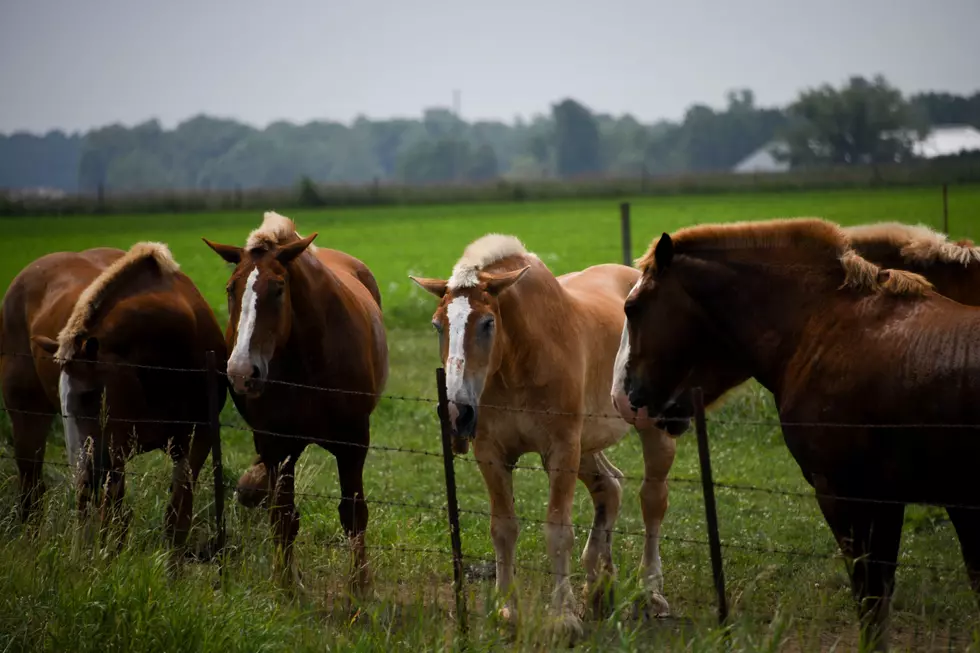
Amber Itle, Washington state Veterinarian, noted the reality is EHV is “everywhere” and remains a threat to horses year round. She said if you do travel to an event, it’s important that you take proper precautions when the animal comes home, and that requires isolation. Itle said it’s important to keep the returning horse in a separate stall, at least 30 feet away from horses that stayed home the whole time. She added if you're going to put the horse in question in the barn, put them in a stall that’s near the end so the ventilation helps keep the virus away from other animals.
“Typically, what we've seen in Washington when horses come home from events is it's often not the horse that went to the event that gets sick. It's the poor old horse next to them that’s immunized suppressed." Itle said. "It's sitting in the stall. Or maybe it's a horse that's in a stall right across from the tie racks where people come and bathe those horses in those common areas. And so they have a lot of horses going by them. So also be thinking about those old horses that maybe never leave the barn.”
When Should You Vaccinate?
Itle added a vaccination is available for EHV, but it’s important that you administer it at the right time. She said some research indicates horses that get vaccinated too close to an event, can have a greater risk of contracting EHV.
“What I would say is make sure you give those horses enough time for their immune systems to actually respond to the vaccine before you go to events," Itle said. "So, you can work with your veterinarian on what the right cadence of vaccine is for you. For some people, they may need to vaccinate twice a year. For some people, they may want to do it, you know, three or four months prior to going to shows to make sure that horse is fully immunized and ready to go.”
Communicate Often With Your Veterinarian
Itle stressed for all horse owners, it’s important to think proactively and to keep in contact communication with your local veterinarian.
If you have a story idea for the PNW Ag Network, call (509) 547-1618, or e-mail glenn.vaagen@townsquaremedia.com
More From PNW Ag Network