
Bird Flu Confirmed In Washington’s Skagit County
The Washington State Department of Agriculture has confirmed highly pathogenic avian influenza in a backyard chicken flock in Skagit County, the first domestic case reported in that county. Flock owners within six miles of the Skagit County detection fall under a WSDA surveillance zone.
The Department said this detection comes as spring migration along the Pacific Flyway brings thousands of ducks, geese and swans through Washington each year. While Washington has experienced a recent lull in HPAI detections, the arrival of migratory waterfowl increases the risk of the virus reappearing in domestic birds.

Dr. Amber Itle, Washington State Veterinarian, explains that as birds migrate they can bring with them new strains of avian influenza.
“Spring migration typically occurs from March through May, bringing large numbers of migratory birds through the state," Itle pointed out. "Poultry owners should always maintain strong biosecurity, but it’s especially important during this period, particularly if birds have access to ponds or other areas that attract waterfowl."
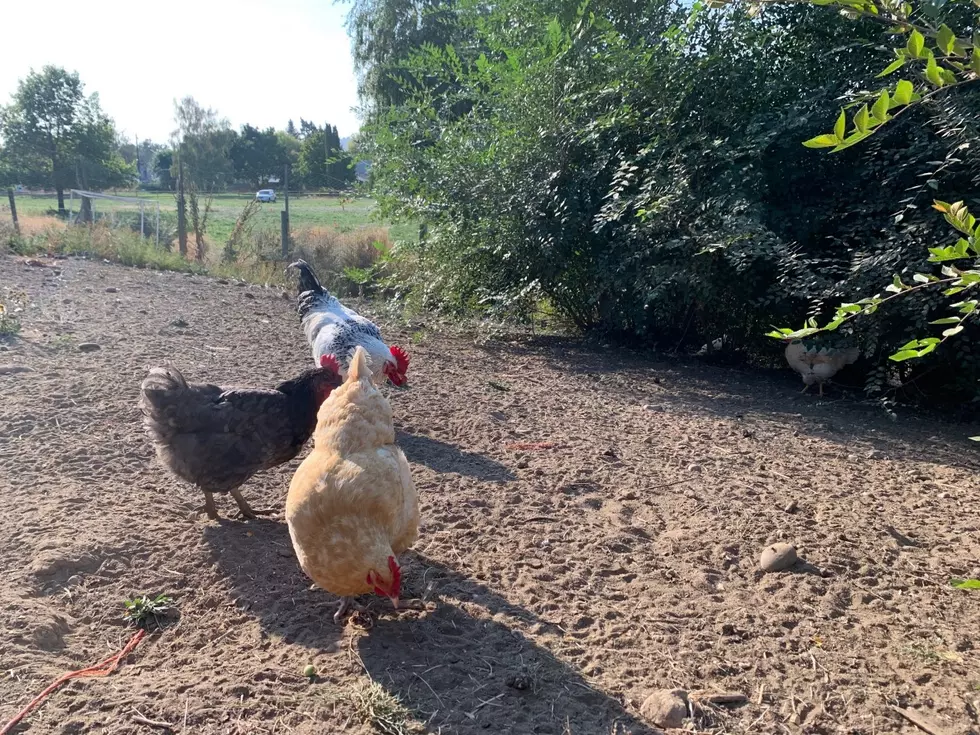
The WSDA says if your flock experiences sudden death or illness of multiple birds, call the Sick Bird Hotline at (800) 606-3056, or use the WSDA's On-line Reporting Tool.
HPAI Symptoms In Poultry:
- Neurologic signs (circling, incoordination, abnormal head position)
- Depression, isolation or ruffled feathers
- Drop in egg production
- Drop in feed or water consumption
- Swollen eyes or wattles
- Blue combs
- Respiratory distress
What Can Bird Owners Do To Protect Their Flock?
The WSDA has several biosecurity steps that help stave off bird flu, including:
- Keep birds housed in their coops or in covered runs
- Restrict access to water sources such as ponds or lakes where wild birds gather
- Keep domestic birds away from wild waterfowl
- Store feed in sealed containers and clean up spilled feed promptly
- Limit visitors to your coop
- Avoid sharing equipment with other flock owners
- Employ wild bird, wildlife, and rodent mitigation strategies
- Isolate any new additions to the flock for at least 30 days and purchase them from National Poultry Improvement Plan (NPIP) certified sources
HPAI's Risk To People
While rare, avian influenza can spread from birds to people and make them sick. People who come into contact with infected birds, animals, or their environments, should be aware of the risk of avian influenza so that they can take proper precautions. These include handwashing, wearing personal protective equipment (PPE), and storing shoes or other supplies used when caring for birds outside the home. WSDA stressed that's why it’s "so important not to bring sick wild birds into your home — doing so can put you, your family, and your flock at risk of avian influenza spread".
If you have a story idea for the PNW Ag Network, call (509) 547-1618, or e-mail glenn.vaagen@townsquaremedia.com
More From PNW Ag Network