

How To Keep Antibiotics Effective For Years To Come
Antibiotics are valuable tools in managing diseases like bovine respiratory diseases. To keep antibiotics effective for years to come, the cattle industry needs to be thoughtful about using the products. Dr. Nathan Meyer, a professional services veterinarian with Boehringer Ingelheim, talks about the importance of judicious antibiotics use to U.S. cattle operations, especially during a time of elevated cattle prices.
“We have some great tools to treat disease, and it's really important that we keep these cattle healthy and producing," Meyer said. "Making sure we identify the correct disease, so diagnosing them properly, and then prescribing or initiating the right treatment and timing is so important, and then certainly double-checking or coming back and following up on those animals after we administer treatment to make sure our response is what we need. With the price of cattle and wanting to make sure we maximize productivity and produce good quality beef and milk products, it's important for all those reasons.”
More Cows Means More Diseases
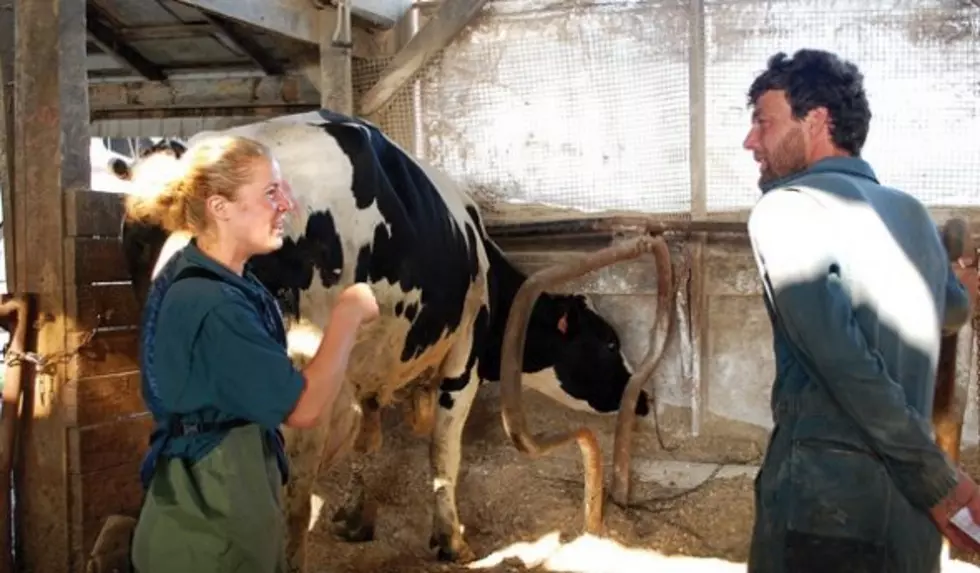
Your veterinarian can help you tailor treatment protocols to the needs of your animals and operations.
“The veterinarian plays a key role in helping identify disease. If you run a large feedyard or large dairy, just due to numbers, you're going to see more disease," Meyer said. "You're going to be more skilled, so that veterinarian can really help producers identify disease, because that's their job. They get to see sick animals all the time, so they can help identify those clinical signs or symptoms we're looking for. The other thing, once you've identified the appropriate animal, is selecting the right antibiotic. In general, we want some that are going to act fast. We're really targeting those bacteria, and those bacteria, they replicate quickly, so we want an antibiotic that's going to be fast-acting. And then also, just due to logistics and how different antibiotics work, in general, we want a long-lasting antibiotic, something that, especially if you're in a pasture setting, where it's difficult to bring those animals back in, we want an antibiotic that’s going to last a long time. The other thing about efficacy is your treatment protocols. We want to make sure that food safety is at the top of our list, so withdrawal periods are very important.”
Keep Your Animal Comfortable
Good animal husbandry, he noted, can help limit antibiotic use.
“Prevention is the cornerstone of all of our treatment protocols, and what I mean by that is, if we can prevent that animal from getting sick, we're way ahead. If we think about specific practices, low-stress cattle handling is a key part of that. We know that when animals are stressed, cortisol levels go up," Meyer said. "Cattle have a higher risk of getting sick. Additionally, it comes down to how we house those animals. We want to keep those animals as comfortable as possible. So, in the summertime, in certain parts of the country, we'll use shades. In winter months, we want to minimize cold stress, especially once again, in our northern climates.”
Make Sure You Communicate With Your Veterinarian
Meyer talks about the veterinary client-patient relationship, or VCPR, and why it’s important.
“This is important for multiple reasons. One, for dispensing prescription drugs, this has to be established, and every state is a little different, but there are federal regulations or state regulations," Meyer said. "We want to make sure that these prescription drugs are being used appropriately and not being overused or underused at times. It's foundational, specifically for antibiotic use, but also that veterinarian can be a key component of the operation and help the producer make better treatment decisions. Additionally, that VCPR allows health protocols be built, and that's why hopefully we're on the prevention side when we do that.”
If you have a story idea for the PNW Ag Network, call (509) 547-1618, or e-mail glenn.vaagen@townsquaremedia.com
More From PNW Ag Network