
Getting The Most Out Of Your Vaccination Program
A vaccination program is only as effective as the management behind it. As producers look to protect spring calves from pneumonia, small details can have a big impact on vaccine performance and how cattle respond. Dr. David Shirbroun, professional services veterinarian for Boehringer Ingelheim, said producers can combine a solid plan with Beef Quality Assurance fundamentals to maximize effectiveness. Vaccination plans he said are incredibly important for respiratory disease in young calves.
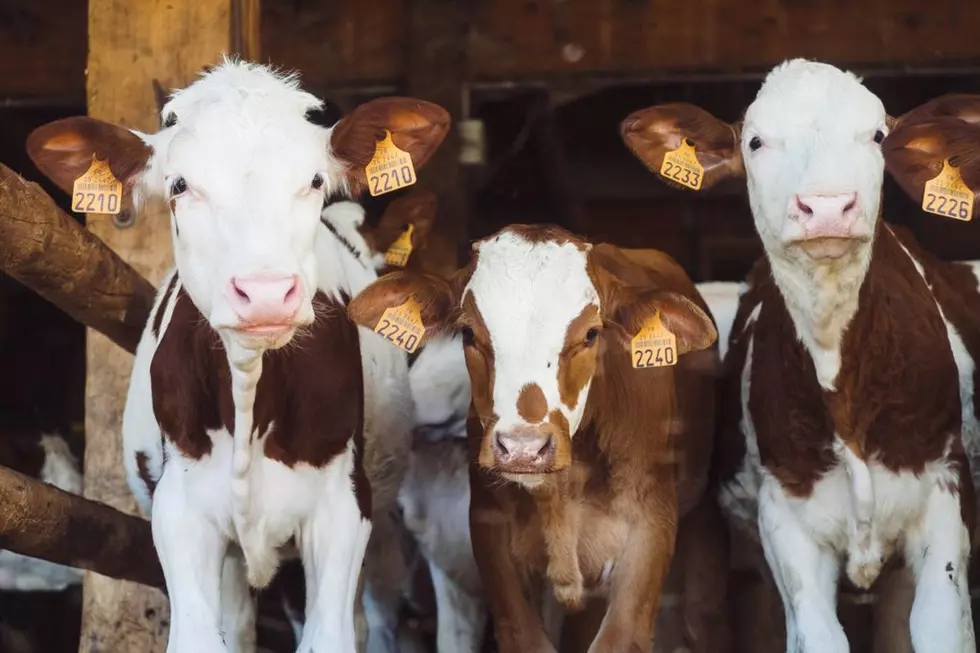
“So, when calves are born, they receive maternal antibodies from the cow through the colostrum, which is great because it offers early protection for that calf," Shirbroun said. "But the problem with maternal antibodies is they fade over time, so that's why we want to really vaccinate those calves to give them protection on down the road. We want to make sure that we can vaccinate these calves at times of low stress, because stress leads to illness in cattle. So, we really want to try to get ahead of those stresses with the vaccination time points, and the only way we're going to be able to maximize the genetic potential and longevity of a calf is to really, truly start early in its life.”
He said getting the most out of your vaccination program begins with consulting your local veterinarian.
“They're the experts. They can really guide producers with the best path forward," Shirbroun stressed. "Want to make sure that the animals that were vaccinated are healthy and well-hydrated at the time of vaccination, because vaccinations work much more efficiently when an animal is well-hydrated. And then when it comes to the actual vaccines themselves, we want to make sure that we're handling those vaccines correctly, storing those vaccines correctly, purchasing those vaccines from a reputable source that stored them at the correct temperatures. And then when you take those vaccines home, continue to store those between 35-45 degrees in a refrigerator. Keep them away from sunlight, keep them from freezing, and keep them from getting too hot. When they're administering that vaccine, follow the label.”
Vaccines do change, so Shirbroun said it’s important to consult your veterinarian when deciding on which vaccine to use.
“If we want to make sure that we're getting the best type of protection in a calf against respiratory disease, we really want to try to look at using a modified live vaccine as early as 30 days of age, given the correct vaccine that has proven results," he said. "Want to make sure that we're using vaccines, once again, that fall under the Beef Quality Assurance standards for low-dosage, subcutaneous injections, and then just follow BQA standards throughout the way that we're handling our cattle.”

It’s important to remember that vaccines are just a part of your overall herd health program.
“We have to make sure that we're having good herd health management techniques, good nutrition, working with nutritionists, having excellent parasite control, low stress handling, and practicing good biosecurity techniques, keeping in mind that obviously when we're going to vaccinate calves, we want those calves to be healthy at the time of vaccination, so that they do truly respond to that vaccine the way that they're supposed to," Shirbroun added. "It's always a good idea, with vaccination, to maintain really good records. If we have an issue further on down the line, or even if things are going great, so we can just repeat that process potentially in the future.”
Click Here for more information about calf vaccination.
If you have a story idea for the PNW Ag Network, call (509) 547-1618, or e-mail glenn.vaagen@townsquaremedia.com
More From PNW Ag Network