
Drought, Freezes Have Put Southern Idaho Dryland Crops At Risk
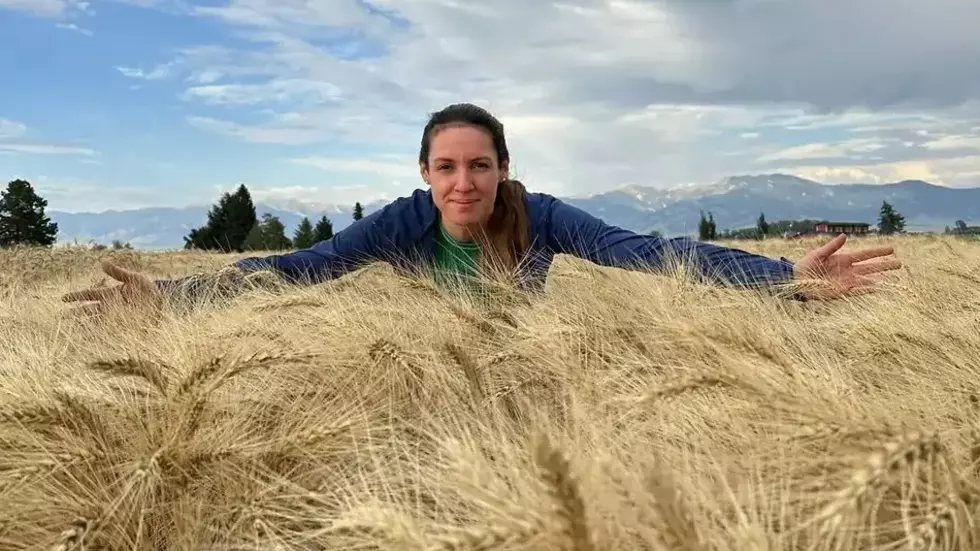
The dry conditions across southern Idaho have already had a major negative impact on the region’s winter and spring wheat. Does that mean growers will see lower yields at harvest?
The University of Idaho’s Juliet Marshall noted at this point it’s hard to put a number on potential yield losses.
“The month of April has turned out to be one of the coldest that I've seen," Marshall said. We've had consistent freezes and frosts, which have added a lot of damage to the crop situation. So, we have a lot of winter wheat and winter barley that is significantly damaged by the freezes and the frost. The winter barley pretty much has headed out too early and blanked the heads. A lot of it was extraordinarily short, so they mowed it off or put it off for forage.”

Marshall, the associate director of the Idaho Agricultural Experiment Station, said the situation is very similar when it comes to winter wheat.
“In some cases, it's really short. It's got barley yellow dwarf diseases. The combination of the barley yellow dwarf diseases or other viruses diseases in combination with the drought, in combination with the significant April freezes has put our cropping situation, I'd say it's significantly at risk as it's far more than 5% to 10%.”
If you have a story idea for the PNW Ag Network, call (509) 547-9791, or e-mail glenn.vaagen@townsquaremedia.com
More From PNW Ag Network