
OPINION: Cattle Country Needs a Change of Direction
by Bill Bullard, CEO, R-CALF USA
President Trump’s September 4 executive orders recognize what independent cattle producers have been warning about for decades: America’s cattle industry needs a change of direction.
One order opens a path toward mandatory country-of-origin labeling for beef. Another directs stronger enforcement of the Packers and Stockyards Act against unfair practices and price manipulation. Labeling order, enforcement order.
Now the president must turn those commitments into results.

The president’s order describes the national herd as being at a 75-year low. USDA figures, presidential assessment.
Behind those numbers are ranching families, disappearing businesses and young people losing their opportunity to raise cattle. Drought, costs and cattle cycles matter. But they cannot excuse refusing to examine the policies that have governed this industry throughout its long decline.
NCBA [National Cattlemen Beef Association] and the American Farm Bureau Federation have had prominent seats at the policy table. Their lobbying has helped defeat reforms R-CALF USA has fought to achieve for decades. We believe those agribusiness policy victories have come at a serious cost to independent producers.
It Starts With Labeling
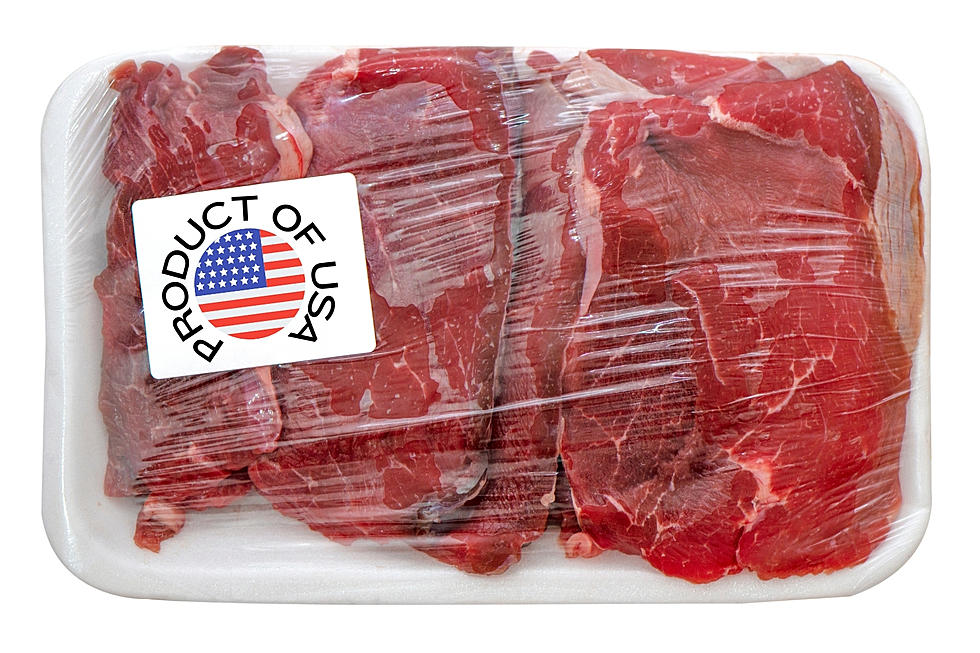
R-CALF USA supports mandatory country-of-origin labeling for beef. NCBA and Farm Bureau both lobbied to repeal the labeling of beef in 2015. NCBA continues opposing mandatory labeling. After the president’s recent announcement, Farm Bureau President Zippy Duvall reaffirmed support for voluntary labeling. R-CALF position, NCBA repeal advocacy, AFBF repeal advocacy, NCBA’s 2026 position, Duvall statement.
Without mandatory disclosure, consumers cannot consistently identify beef produced exclusively from American cattle throughout the meat case. American ranchers deserve the opportunity to compete for consumers who want American beef.
Next, consider price discovery: the competitive bidding that helps establish what cattle are worth. R-CALF USA supports banning unpriced formula contracts tied to the cash market, requiring minimum cash purchases and restricting packer ownership and control of cattle. R-CALF proposals.
NCBA opposes mandatory cash purchases and restrictions on marketing methods. Farm Bureau also opposes mandatory minimum negotiated purchases and defends alternative marketing arrangements. NCBA policy, AFBF position. They call that marketing freedom. We believe a cash market weakened by captive supplies cannot reliably deliver the competitive prices independent producers deserve.
When formula contracts use cash prices as their benchmark, a weakened cash market threatens returns well beyond the cattle actually sold through competitive bidding.
Meanwhile, concentrated packers are closing plants and reducing slaughter capacity. R-CALF USA has warned that these decisions eliminate marketing outlets and strengthen the concentrated packers’ leverage over cattle producers. R-CALF’s August 2026 assessment.
Capacity reductions by dominant buyers must receive serious scrutiny. Producers should not be left wondering whether anyone will investigate the competitive consequences. That is why the president’s enforcement order matters. Investigators need resources, clear priorities and the determination to pursue violations wherever the evidence leads.
Issues With Trade
R-CALF USA supports tariffs and tariff-rate quotas to strengthen domestic production. NCBA and Farm Bureau have generally championed free trade, including NAFTA and the USMCA, the Trans-Pacific Partnership and CAFTA. R-CALF tariff position, TPP endorsements, CAFTA record.
We believe increasing supplies of cheaper imported beef displaces opportunities for American cattle producers. An import strategy that depresses cattle prices discourages the investment needed to rebuild our herd. Both larger organizations have opposed particular import expansions. Farm Bureau has also supported some unfair-practices protections, and NCBA supports additional independent processing. Those positions deserve recognition. But, they do not erase the fundamental disagreements. AFBF import position, NCBA import position, AFBF rulemaking record, NCBA processing priorities.
Then there is the beef checkoff. Producers’ mandatory assessments support generic beef promotion that benefits imported as well as domestic beef. Importers also pay assessments, but that does not answer whether American ranchers should be compelled to finance promotion that fails to distinguish their product. Checkoff structure, promotion programs.
R-CALF USA supports the OFF Act’s accountability reforms for the beef checkoff program. NCBA and Farm Bureau opposed that legislation. R-CALF priorities, opposition letter
Across labeling, cattle markets, trade and the checkoff, these choices have consequences. For decades, independent producers have sought reforms while the agribusiness lobbying organizations defended policies that have weakened our industry. This crisis demands follow-through by the president. He must complete the labeling review, pursue mandatory disclosure, enforce the Packers and Stockyards Act, investigate packer conduct, support competitive bidding and independent processing, and put rebuilding domestic cattle production at the center of trade policy.

Producers Need To Act
We cannot keep funding opposition to the reforms we need and expect a different result. It is time to join together. Examine what each organization actually fights for. Compare its lobbying record with the future you want for your ranch and your children.
Then vote with your wallet.
R-CALF USA fights for mandatory labeling, competitive cattle markets, checkoff accountability and a stronger domestic industry. You should choose and support the organization you believe is fighting for you. Our future depends on policies that let independent families earn a fair return, reinvest in their herds and remain in business.
The president has opened a door. Together, we must turn that opportunity into lasting reform.
More From PNW Ag Network