L&I: Watch Out For Heat Illness
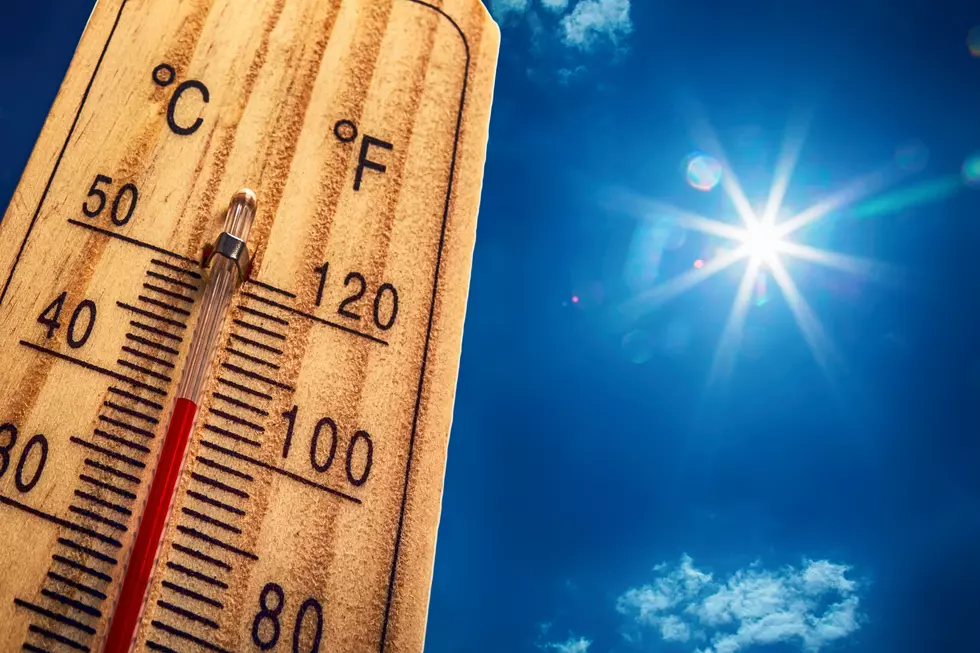
Hot weather is expected to roll into the Northwest later this week, with some locations expected to see temperatures in the upper 90s and triple digits by Wednesday. Even locations west of the Cascades will be into the mid- and upper 90s.
With temperatures climbing, the Washington State Department of Labor and Industries is reminding everyone to make worker safety a priority. L&I Medical Officer Dr. Nicholas Reul said while hot weather is not unique to the Northwest, it's important to remember that heat illness can be life threatening. That, he added, means it’s important to take any symptoms seriously.
“Take early steps to make sure that you don't become overheated," Reul said. "If our body becomes overheated, it can lose the ability to maintain the correct temperature and stop functioning properly.”

Reul said staying health and safe requires a game plan before the workday starts.
“It's really important to make sure you are and remain hydrated," Reul added. "So even before you go to work and you know it's going to be hot out, it's important to make sure to get enough water. When it comes to shade, it's important when it's hot out to make sure to take breaks. Resting in a shady area, these are part of the same idea. You want to give your body a chance to recover from working hard.”
Again, Reul stressed if something doesn’t seem right, don’t ignore your body.

Current Outdoor Heat Exposure rules from L&I include requirements to:
- Address outdoor heat exposure safety as part of your required Accident Prevention Program
- Provide annual training to employees and supervisors on symptoms of outdoor heat exposure and policies in place to prevent heat-related illness
- Provide both a sufficient amount of cool drinking water to employees along with opportunities to drink the water
- Provide adequate shade (or alternative cooling methods) at all times, to allow for access to prevent or respond to heat illness
- Workers must be provided with paid rest breaks when they feel the need to cool down, so they don’t overheat. When temperatures are 90°F or hotter, require workers to take additional paid, cool down rest periods of at least 10 minutes every 2 hours. Longer and more frequent breaks are indicated when temperatures continue to rise to 100°F.
- Closely observe employees not acclimatized to the heat, including new employees, those returning from absences, and all workers during a heat wave.
- Have emergency procedures to respond appropriately to any employee with symptoms of heat-related illness.
- Make sure supervisors and employees always have a way to communicate with each other so they can promptly report heat illness and get medical assistance.
Click Here to see L&I's fact sheet.

If you have a story idea for the PNW Ag Network, call (509) 547-9791, or e-mail glenn.vaagen@townsquaremedia.com
More From PNW Ag Network