
USDA Rolls Out Assistance For Farmers
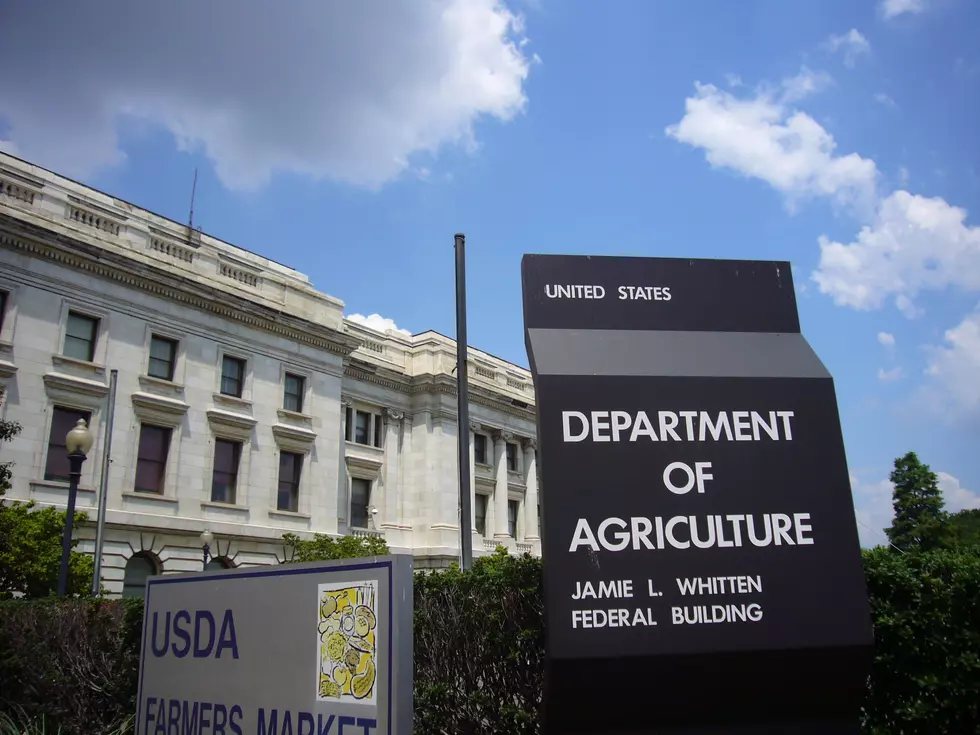
President Trump and Ag Secretary Brooke Rollins ended weeks of suspense Monday by releasing details of a multi-billion-dollar farm aid package, but not before an unscripted difference took Trump by surprise. It started with Trump making the initial White House announcement of farm aid from tariff revenue.
“So we’re going to use that money to provide $12 billion in economic assistance to American farmers," Trump said. "This relief will provide much-needed certainty to farmers as they get this year’s harvest to market and look ahead to next year’s crops.”
However, Secretary Rollins had a different number.
“We are very pleased to announce that today, we are going to be effectuating an $11-billion bridge payment to our farmers," Rollins said. "The money will move by February 28, 2026. But, by the end of this month, so just in the next couple of weeks, every farmer that is able to apply for it, will know exactly what that number looks like.”
Much of that relief will focus on Midwest farmers, especially soybean growers, impacted by tariffs and trade wars. To submit questions, justification for USDA farmer bridge aid, or to request a meeting on farmer bridge aid, producers can reach out to farmerbridge@usda.gov.
Northwest Reaction
"Farmers across the United States, including in Central Washington, are reaching a breaking point because of supply chain issues, high input costs, and uncertainty around foreign market access," noted Dan Newhouse, member of the House Ag Committee. "While this announcement primarily benefits row crop producers, other specialty crop growers will need additional assistance as they struggle to make ends meet due to continued high labor costs.
"I appreciate President Trump and Secretary Rollins for rolling out a bridge to get farmers and ranchers through lean times," Newhouse continued. "I know they understand, as I do, that producers would prefer market certainty over direct payments from the federal government. I look forward to continuing working with this Administration to lower labor costs, reduce regulatory burdens, implement the agriculture provisions of the Working Families Tax Cut, and ensure American farmers and ranchers have the tools they need to make it to the next growing season."
“The financial strain U.S. farmers have faced throughout this year has been devastating and completely avoidable," said Oregon senator Jeff Merkley, the Ranking Member of the Senate Budget Committee. "There is only one person to blame – Donald Trump. Soybean farmers were projected to have a bumper crop this year – and they did – but Trump’s self-inflicted tariff agenda left farmers with no market to sell to. Now, the Trump Administration is using U.S. tax dollars to provide a bailout to farmers to fix the President’s mistakes. Unfortunately, for many family farms, it’s too late. Farmers are the latest to suffer at the hands of the Trump families lose and billionaires win agenda."
Merkley went on to say, "This bailout by the Trump Administration not only does very little to support farmers who have faced significant loss this year, it also puts another strain on the pocketbook of the American taxpayer. Given that U.S. consumers and businesses initially paid for the tariffs that Trump put in place, using U.S taxpayer funds to bailout these farmers means U.S. taxpayers are essentially being charged twice for the president's policies."
“Instead of proposing government handouts, Donald Trump should end his destructive tariff spree so American farmers can compete and win on a level playing field," said Oregon senator Ron Wyden, the Senate Finance Committee Ranking Member. "Republicans should act immediately to end the trade war, cut taxes on Americans and save taxpayers money.
“Donald Trump’s trade war is taxing families, killing markets for our farm goods and driving farmers into bankruptcy. Trump’s plan to bail out farmers won’t even get agriculture communities back to even. They’re still paying more for fertilizer, equipment and seeds, while grown-in-the-USA farm goods are facing more obstacles than ever in foreign markets. Don’t forget that all of this trade destruction and taxing was to raise money for Trump’s massive handouts to billionaires and the ultra-wealthy.”
Industry Reaction
“We appreciate the administration’s decision to deliver economic assistance to family farmers and ranchers at a time of serious stress," said President Rob Larew. "Across the country, farmers are confronting the combined pressures of disrupted trade, rising input costs, and depressed commodity markets. This relief will provide near-term support for many farmers working hard just to stay afloat.
“Short-term payments, while important, are only a first step. What we truly need are long-term structural fixes that restore viability and stability to family farms and ranches for generations to come. In real-time, we are experiencing the consequences of farm policy that is woefully outdated. The farm safety net can’t keep up with today’s economic realities. Input costs remain high, trade relationships are uncertain, access to affordable healthcare is in danger and the stress on rural communities continues to grow.
“That is why NFU is committed to working with Congress to design a new farm bill that reflects today’s realities. We’re investing in research, convening with our members, and bringing forward bold, forward-looking ideas from a reimagined farm safety net and stable market mechanisms, to strengthened protections against consolidation driving up costs for both farmers and consumers.”
“We are disappointed that specialty crop growers were not included in today's announcement," the co-chairs of the Specialty Crop Farm Bill Alliance said following Monday's announcement. "As we wrote to the President on October 6, 2025, family farms that produce safe and nutritious fruits, vegetables, and tree nuts, as well as cultivate the trees, flowers, and plants that play a vital role in the nation's health and wellbeing, continue to face unprecedented economic challenges.
"We stand ready to work with the Administration and Congress to advance a meaningful assistance package to support specialty crop growers during this difficult period.”
“America's farmers and ranchers need public policies that help them stay profitable and resilient so they can continue their mission of providing safe and abundant food, fiber, and fuel for the world," noted Association of Equipment Manufacturers Senior Vice President of Government and Industry Relations Kip Eideberg. "Equipment manufacturers are grateful for President Trump and Secretary Rollins' leadership to negotiate new trade deals, open new export markets for producers, and boost the farm safety net."
If you have a story idea for the PNW Ag Network, call (509) 547-1618, or e-mail glenn.vaagen@townsquaremedia.com
More From PNW Ag Network