
U Of I On-line Tool Aims To Help Cities Deal With Wildfires
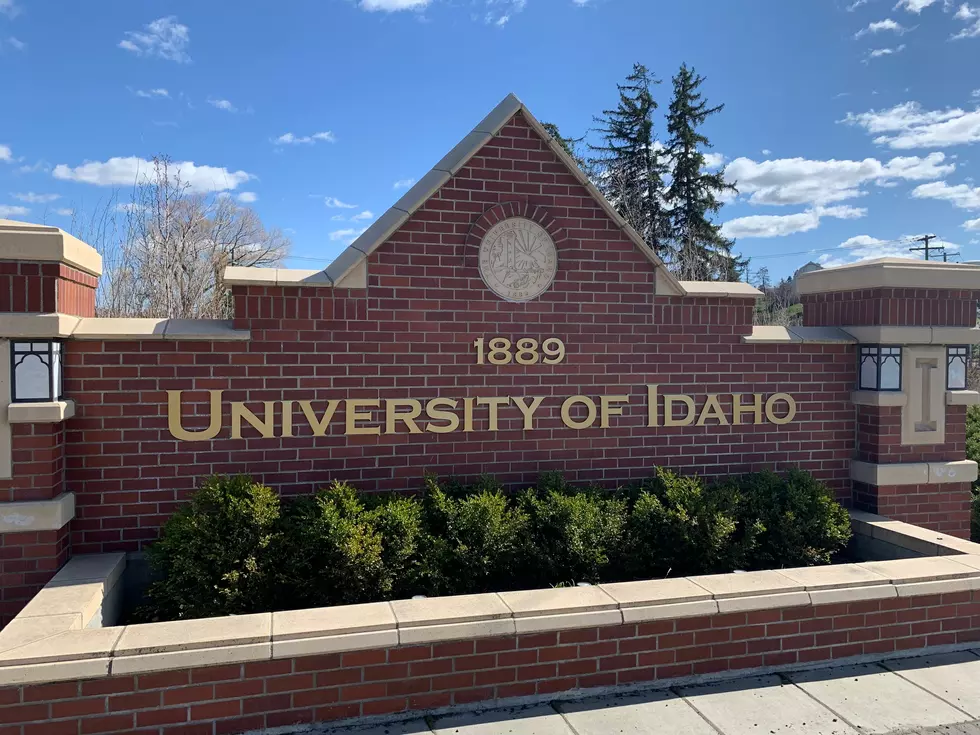
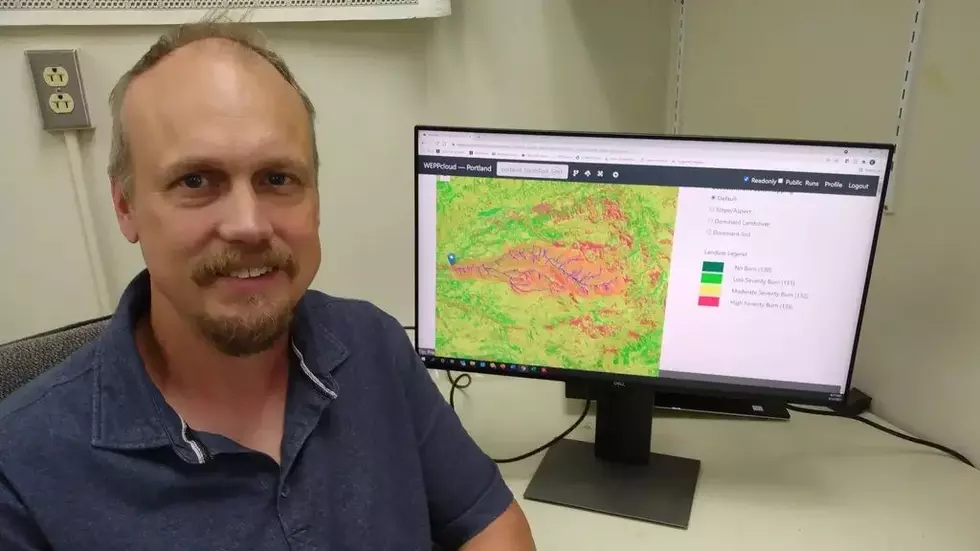
When wildfire threatens a community’s drinking water, University of Idaho researchers Erin Brooks and Mariana Dobre are helping cities prepare. Their online tool, WEPPcloud, predicts how fire can increase erosion and send ash and sediment into streams and reservoirs.
After the massive Paradise Fire burned nearly half the forested land surrounding Mill Creek, Walla Walla, WA’s primary drinking water source, the city turned to the researchers to assess the risks. The tool can generate watershed risk maps in just five minutes — work that once took months.
More Than Protecting Water Resources
“The main goal of the tool is to protect water resources, especially after wildfires, but it also helps managers prepare and plan for measures such as forest thinning and prescribed fires to reduce wildfire risk,” Dobre said.
Free to the public, WEPPcloud supports communities across the West and around the world, helping protect a resource no community can do without: clean drinking water. Other cities that have worked closely with Brooks and Dobre to protect sources of unfiltered drinking water include Ketchum, AK, Seattle, WA, Bremerton, WA, Portland, OR, Salem, OR Eugene, OR, Medford, OR as well as Victoria, BC.
If you have a story idea for the PNW Ag Network, call (509) 547-9791, or e-mail glenn.vaagen@townsquaremedia.com
More From PNW Ag Network