
University of Idaho Looking At Molecular Modeling To Address Potato Pests
The University of Idaho is going in a different direction when it comes to crop protection. Researchers at the U of I are using the same kind of computer molecular modeling found in human drug development in an effort to create the next generation of Ag fungicides.
The seven scientists from the college of Ag, College of Science and the College of Engineering, is designing new compounds to fight fungal diseases in potatoes.
“We’ve had a high success rate. We’ve screened fewer than 60 compounds and already have 15 that have some action,” said Brenda Schroeder, a College of Agriculture Life Sciences researcher with the Department of Entomology, Plant Pathology and Nematology. “Looking at the bigger picture, this approach is adaptable to all pathogen groups in some fashion. This could be expanded past the fungi once the system is in place.”

Resistance Is A Problem For Growers
Researchers says this kind of research, targeting fungal proteins, is critical as resistance to existing fungicides continues to grow.
“When resistance pops up, there are not a whole lot of options out there,” said Marty Ytreberg, a professor with the Department of Physics and director of the Institute for Modeling Collaboration and Innovation.
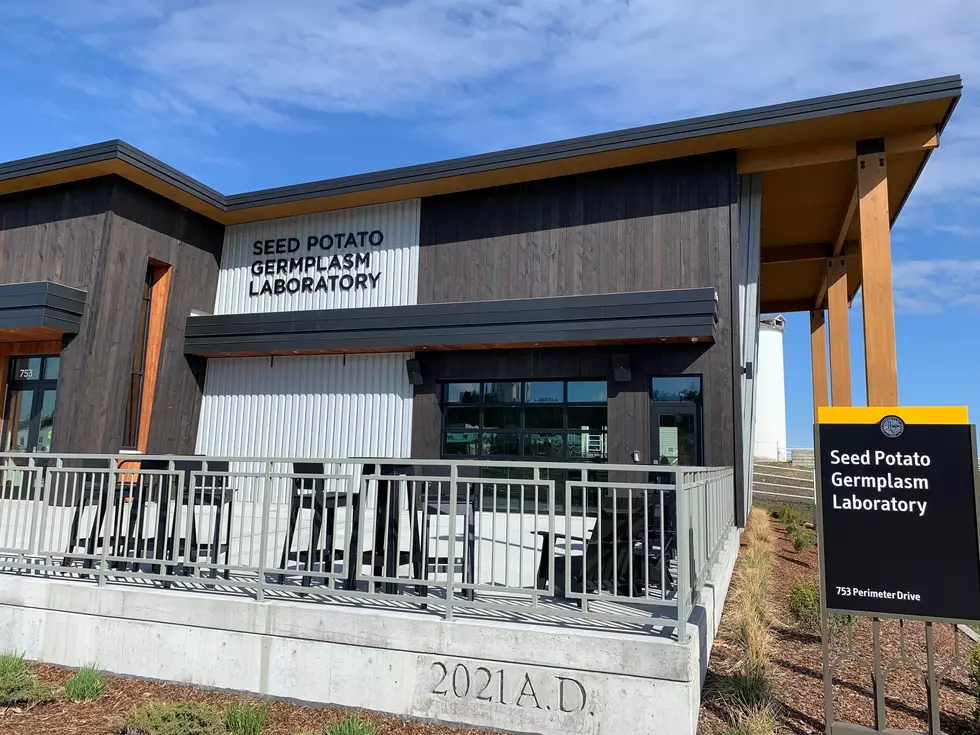
“We’ve really only targeted a minimal number of proteins that we’ve identified in fungi as important,” said Schroeder, whose lab tests the compounds in greenhouse potato production to ensure spud growth isn’t hindered. “We have a large number of proteins that we’ve identified as important that we could potentially target, so this is just building the foundation.”
“We put two and two together and said, ‘Wait a minute. What are we missing for conducting human research with antifungals? Well, a hospital,’” Rowley said. “Then we came to the realization that we have farm field trials. We have people doing all sorts of great work in agriculture. We have the complete package there.”

The University Could Financially Benefit From This Research
The University of Idaho launched the project with a one-year, $100,000 IGEM grant from the state’s Higher Education Research Council and, in fall 2025, secured a two-year, $120,000 Specialty Crop Block Grant from USDA. The team said they will use SCBG funding to screen compounds against early blight, black dot, silver scurf, Rhizoctonia, pink rot and powdery scab — diseases for which growers currently have few control options.
Royalties from licensed products are expected to be substantial, with the team estimating at least $60,000 annually per fungicide for U of I.
If you have a story idea for the PNW Ag Network, call (509) 547-1618, or e-mail glenn.vaagen@townsquaremedia.com
More From PNW Ag Network