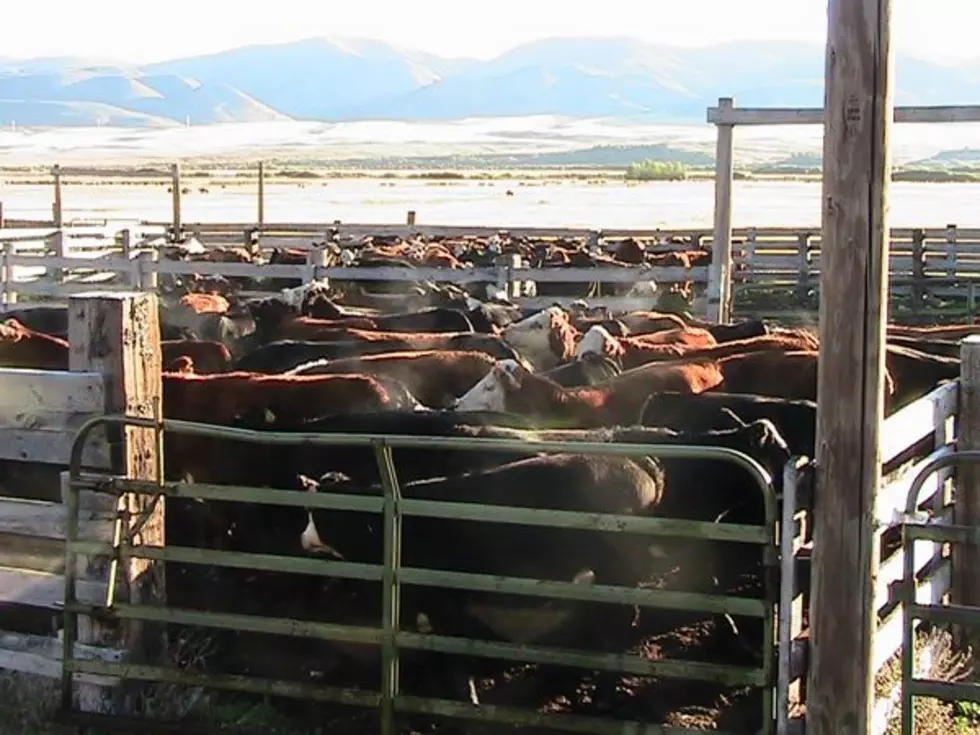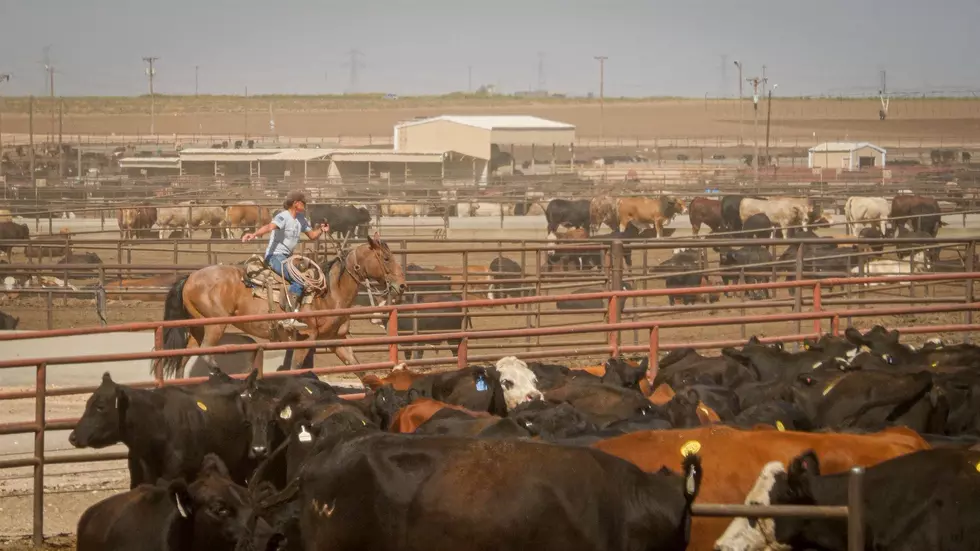
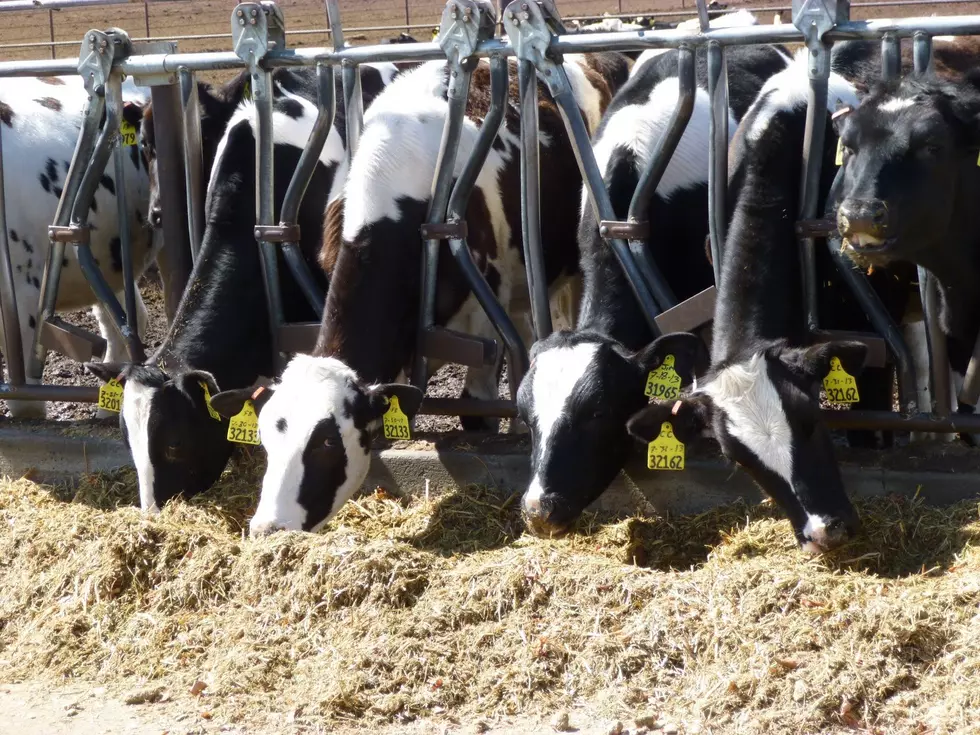
USDA’s April Cattle on Feed Report showed the herd size remains smaller year-over-year, but indicates efforts continue to build up inventory.
“The number of cattle on feed and feed lots on April 1st was 11.64 million ahead. This was about ...
The recent Cattle on Feed Report was called neutral-to-slightly-positive by American Farm Bureau economist Bernt Nelson. He said the overall rate of contraction in the U.S. cattle herd has slowed. However, factors like demand, beef prices, and trade, among other factors, will influence producers’ decisions about what to do with their animals.
“Cash prices for...
Are beef cattle producers starting to hold back some heifers for breeding or not?
Are we still in contraction mode?
Friday's USDA Cattle on Feed report offers hardly any clue to that. USDA livestock analyst Shayle Shagam said we will have to wait a month for the next real clue.
“When...
How big is the U.S. cattle herd? Budget constraints have caused the USDA to limit the number of reports it releases. Among these is the July Cattle Inventory Report. However, there is enough historical context from which some conclusions may be drawn.
“A model estimates t...
Fewer cows, higher feed costs, tighter supplies. That’s the summary of USDA's outlook for the dairy sector in 2023.
“Well, we're expecting to see is a slight decline in the average dairy herd somewhere down to about 9.83 million head in 2023.”
...
The latest USDA numbers show the size of the U.S. beef cattle herd continues to shrink. Last week’s Cattle On Feed report shows placements into feedlots during January were down 4%, feed lot inventories on February 1st came in at 11.7 million, resu...
USDA’s January 1 cattle inventory report places the total number of cattle and calves at 89.3 million head, consistent with trade expectations for a 3% year-over-year drop. The decline comes as cattle producers face a fourth consecutive year of contraction within the cattle cycle. That’s a...
After at least five years of annual growth, the year ahead looks like one of contraction for the U.S. meat industry. But USDA chief economist Seth Meyer was quick to point out the contraction is only occurring in one sector.
“Pork, boilers, turkey all up year over year in 2023. But, beef producti...
Between drought and input costs, the beef industry nationwide is facing a variety of challenges. The University of Idaho’s Phil Bass noted following the slowdowns from the pandemic, larger packing facilities are running at or near capacity which is good news moving product out to customers. But when it c...